
What is Kefir?
Kefir is a fermented drink made from either milk or water, known for its rich probiotic content. It contains a diverse range of beneficial bacteria and yeasts that contribute to its probiotic properties. These probiotics help support gut health and improve digestion by promoting a balanced intestinal flora. Kefir is also rich in nutrients such as vitamins, minerals, and proteins

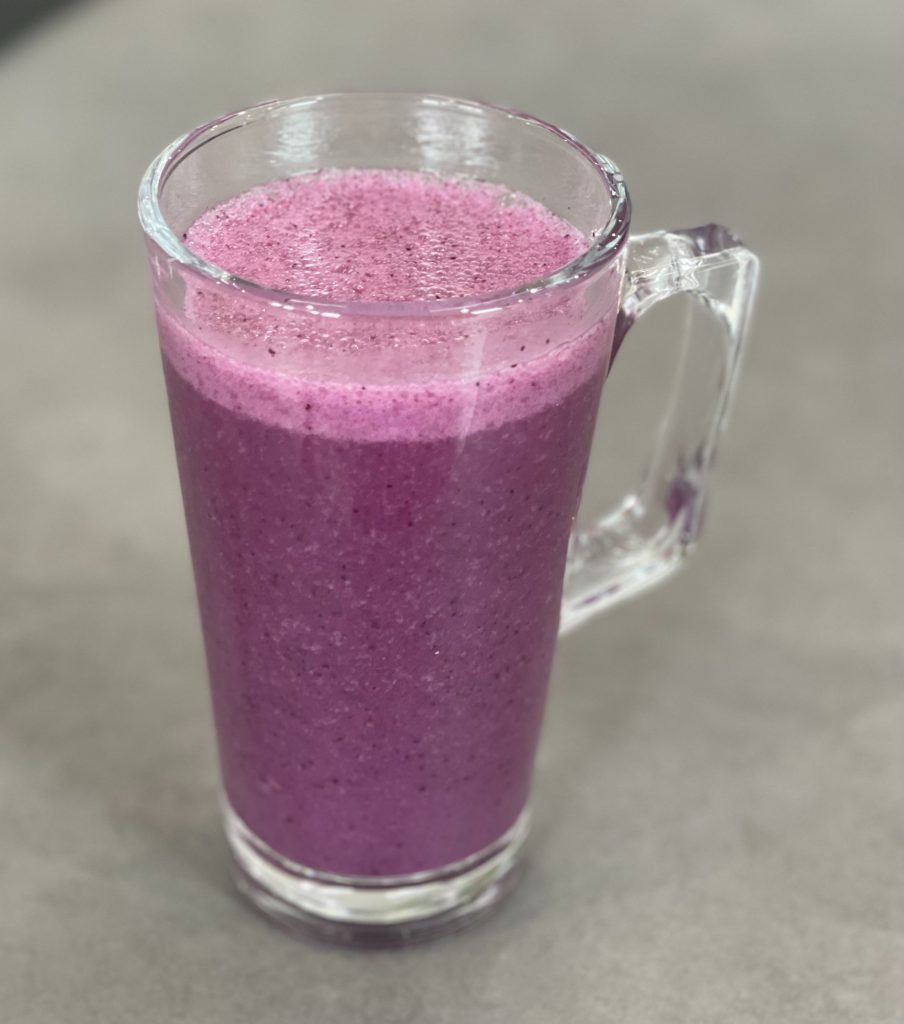
Milk kefir, made by fermenting cow, goat, or sheep milk with kefir grains, has a slightly tangy flavor and a creamy texture. Water kefir, on the other hand, is made by fermenting sugar water, coconut water, or fruit juice, resulting in a lighter, effervescent beverage. Both types of kefir offer health benefits, including boosting the immune system, enhancing lactose digestion, and potentially reducing inflammation. Because of its probiotic content, kefir is often recommended as part of a healthy diet to support overall digestive health.
In this article, I will focus on the milk kefir….
Probiotics
Milk kefir contains a wide variety of probiotics, including several strains of beneficial bacteria and yeasts. Some of the most common probiotics found in milk kefir include:
Lactic Acid Bacteria:
- Lactobacillus kefiri – Unique to kefir, it helps in maintaining a balanced gut flora and has antimicrobial properties.
- Lactobacillus acidophilus – Promotes digestive health and helps in the breakdown of lactose.
- Lactobacillus casei – Supports gut health and boosts the immune system.
- Lactobacillus rhamnosus – Known for its ability to survive stomach acid and colonize the intestines.
- Lactococcus lactis – Important for the fermentation process, giving kefir its tangy flavor.
- Leuconostoc species – Contributes to the production of exopolysaccharides, which have health benefits.
Other Beneficial Bacteria:
- Streptococcus thermophilus – Aids in digestion and helps with lactose metabolism.
- Bifidobacterium species (like Bifidobacterium bifidum and Bifidobacterium breve) – Enhances gut health and supports the immune system.
The combination of these probiotics makes milk kefir a potent source of beneficial microbes, which, studies have shown, can aid in digestion, improve immune function, and contribute to overall gut health. Additionally, the diversity of probiotics in kefir is often greater than that found in yogurt, making it a more complex and beneficial fermented food.
Who Can Take Kefir?
Most people can drink kefir, but there are a few considerations to keep in mind…
People with weakened immune systems, such as those undergoing chemotherapy or with autoimmune conditions, should consult their healthcare provider before consuming kefir, as it contains live bacteria.
Many lactose-intolerant people can tolerate kefir better than regular milk. The fermentation process breaks down much of the lactose, making it easier to digest. However, this tolerance varies, so it’s best to start with small amounts.
Introducing probiotics like kefir to young children should be done cautiously and ideally under the guidance of a healthcare professional.
While kefir can be a healthy addition to the diet, pregnant and breastfeeding women should consult their healthcare provider before consuming kefir, especially if they are new to it.
Overall, kefir is generally safe and beneficial for most people, but individual tolerance can vary. If you have any doubts, always consulting with a healthcare provider can help determine if kefir is a good choice for you.
But do you know it is also beneficial for your dog? Many veterinarians suggest small amounts of plain kefir to see if they are not allergic to lactose, especially while taking antibiotics. Always in moderation.
How to Get the Grains?
About the grains, nowadays, you can buy them online or in some health food stores. Although, I have found many kefir communities around the world, where people share some of their grains, since the culture multiplies with each batch. I am always happy to share my extra grains to neighbors, family, friends and friends of friends 🙂

How Long Does Homemade Kefir Last?
Kefir can last for quite a while when stored properly. Here’s a breakdown of its shelf life:
Refrigerated Fresh Kefir:
- Homemade Kefir: If kept in the fridge, homemade kefir usually lasts about 1 to 2 weeks in an airtight container. Its flavor will continue to develop, becoming tangier over time. It’s best to consume it within this period for optimal taste and probiotic benefits.
Room Temperature Kefir:
- Fermentation Stage: While fermenting at room temperature, kefir is usually ready in about 24-48 hours. Once it’s fermented, it should be transferred to the fridge to slow down the fermentation process.
- After Fermentation: If left at room temperature after it’s done fermenting, kefir can become overly sour and the texture may change, so it’s best not to leave it out for more than a few hours after it’s ready.
Freezing Kefir:
- You can freeze kefir to extend its shelf life for up to 3 months. Freezing might affect the texture, making it slightly more grainy once thawed, but most of the probiotics will remain intact. Thaw it in the fridge and give it a good shake before drinking.
Signs Kefir Has Gone Bad:
- Smell: If it has an off or foul odor (rotten), it’s best to discard it.
- Taste: While kefir is naturally tangy, an extremely sour or unpleasant taste can indicate it’s past its prime.
- Texture: If you notice mold, unusual separation, or a slimy texture, it’s safer not to consume it.
Storing kefir in the refrigerator is key to maintaining its freshness and probiotic benefits. Always keep it in a sealed container to prevent it from absorbing other odors in the fridge. If you need to travel, place a new batch with enough milk in the fridge and it will be fine for weeks.
What Tools and Equipment Do You Need to Make Kefir / Smoothie?
I always recommend investing in a few essential tools for making and storing kefir. Make sure all your equipment is clean before use to avoid introducing any unwanted bacteria.

Plastic or Nylon Strainer:
A plastic or nylon strainer is essential because metal strainers can react with the kefir grains and potentially damage them. However, stainless steel is an exception since it is non-reactive and safe to use. If you only have a stainless steel strainer, it should be fine, but it’s still better to use plastic or nylon strainers to be on the safe side. The strainer helps separate the grains from the liquid kefir when it’s done fermenting.
Glass Containers:
You’ll need a couple of glass containers, one medium-sized for fermenting the kefir and a larger one for storing the finished product. Glass is ideal because it doesn’t react with the acidic nature of kefir, ensuring the quality and taste remain intact. It’s also easy to clean, which helps maintain a hygienic brewing process.
You don’t need to wash the glass every time you make a new batch. You can continue using the same container without washing it each time. Around the third week, or when it starts becoming difficult to see through the glass, transfer the grains to a new, clean container. This allows you to clean the previous container and alternate between the two, keeping your process efficient and your kefir-making setup in good condition.
Small Containers:
It’s also handy to have a few small containers if you need to travel with your kefir grains. These are perfect for taking a portion of grains on the go so you can continue fermenting wherever you are. Kefir grains are like my little companions; they go wherever I go! Silicone Spatula:
A silicone spatula is great for pressing the culture through the strainer and extracting as much liquid as possible. Its flexibility makes it easy to scrape down the sides of the container, ensuring you don’t waste any kefir.
Cloth or Paper Towel and Rubber Band:
To cover the jar during fermentation, you can use a breathable cloth or a paper towel secured with a rubber band. This setup keeps contaminants out while allowing the kefir to breathe. Personally, I use either a paper towel or a plastic lid for this purpose.
A Blender:
Last but not least, a blender is very useful when making a smoothie. One of my kids doesn’t like the texture of the seeds from berries, so I strain the smoothie after blending, but this step is optional.
The Best and Delicious Way to Drink Kefir
After considering the previous points, let’s dive into the delicious ways I prepare kefir for my family and friends. As a fervent yogurt consumer for years, ever since my father introduced it to me when I was about 6 years old, I recall enjoying it semi-frozen with just the right amount of fruit, so no added sugar was necessary.
As I grew older, a friend introduced me to kefir. I found its flavor much stronger than yogurt, so I began preparing it the same way: semi-frozen. Since then, it has become a regular drink for me and my family. The best part of making it yourself is that you control the type of milk used (goat, cow, or sheep). You also control the amount of sugar or alternatives like dates, honey, stevia, or monk fruit. You can also adjust the texture to your preference, whether you like it light, creamy, or more solid. Plus, you can make it with other milk substitutes like coconut milk or almond milk if there are any allergies.
Making a Nutritious Smoothie
When I make my smoothies, I either grab frozen fruits from the local store or buy fresh fruits, clean them up, dice them, and freeze them myself. I’ve always got a stash of frozen fruits in my freezer, ready to go whenever I’m in the mood for a quick and healthy drink.
There are so many options to choose from! You can go with strawberries, raspberries, blackberries, blueberries, peaches, bananas, mango, or even pomegranate. I love experimenting with different combos. Sometimes I go for a single fruit, but mixing two together is also super fun and tasty. It’s all about finding what flavors you like the most and blending them into a refreshing drink.

Looking for more smoothies ideas?
Energy-Boosting Papaya Pineapple Smoothie
Guava Smoothie with Strawberries and Banana

Kefir in Smoothies
Recipe Video
Ingredients
- 2 cups Kefir
- 1 cup Frozen peaches
- 3 Dates
Instructions
- Blend all ingredients together in a blender until smooth. Sprinkle with chia seeds (optional) and serve.


No Comments