

Once you learn how to cook sunchokes, you’ll fall in love with the unique root vegetables and the many ways you can prepare them. Learn six easy and delicious ways to cook sunchokes, choose, prepare, store them, and much more.

Maybe you saw sunchokes on a menu somewhere or at the booth of your favorite vegetable stand at the farmer’s market, and now you’re curious. What are they, and how do you cook them?
The first answer is easy. Sunchokes, sometimes called Jerusalem artichokes, have nothing to do with Jerusalem or artichokes. They’re native to North America and are the tuberous root of a sunflower plant.
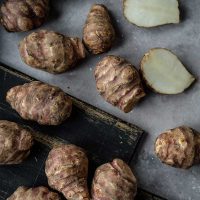
You might first mistake the knobby brown root for ginger, but they’re a tender, crisp winter vegetable that can be eaten raw or cooked in many ways.
Nutritional Value
Sunchokes are high in iron, vitamin C, and fiber and a great low-carb alternative for potatoes.
However, the type of fiber in these tasty roots is inulin. It’s a wonderfully low glycemic starch that is great for people with diabetes but can cause stomach discomfort for others. Due to the possibility of bloating and gas from eating them, they’ve earned the nickname ‘fartichokes’.
It’s best to consume a smaller amount until you know how they affect you. Peeling and cooking them also helps make them gentler on the gut.

What do Sunchokes Taste Like?
Sunchokes have thin, edible brown skin. Inside is a crisp, lightly sweet, and moist white flesh similar to jicama when raw.
When cooked, it becomes creamy with a sweet and mildly nutty flavor. Simple enrichments like salt, butter, olive oil, or cream are often enough to make them delicious.
Buying & Storage
Sunchokes are available all year around – but so is most of our produce! The best time to enjoy them is after the first freeze of fall. The cold snap sweetens the roots, which makes them an excellent addition to your fall and winter vegetable options.
Only buy Jerusalem artichokes that are firm and free of any mushy spots, mold, mildew, cracking, or blackening. Also, avoid shriveled sunchokes, which means they’re old and dried out, or any with green sprouts.
It’s not essential, but choosing sunchokes with less knobby growths will make it easier to clean and peel when cooking.
Unlike other root veggies, they don’t keep for long, so it’s best to use them immediately. Store sunchokes in the fridge, always in a sealed bag or container, and eat them within 2 weeks.

How to Prepare Sunchokes
Sunchokes are very easy to prepare. They require a good scrub to get rid of dirt, especially where it can get lodged between the knobby parts. After that, you can slice and eat them raw or cook them.
There’s no need to peel them; the skin is papery and edible. But removing the peel will help keep the white color in your final dish if you’re making purees, soups, or mashes.

You can use a potato peeler to remove the skin and a paring knife to get any problematic spots. Or, blanch them in boiling water for 2-3 minutes, then remove them and cool slightly. The skin will rub away easily afterward.
Much like the artichokes they’re named after, sunchokes will oxidize once cut, turning the flesh to an unsightly brown or gray color. Wait until the last minute to cut them to prevent that. Or squeeze one lemon into a bowl of water and place the cut pieces in. The acidulated water will keep the browning at bay.
How to Cook Sunchokes
What I love about cooking sunchokes is just how versatile they can be. Swap Jerusalem artichokes in any recipe or cooking method you can use for potatoes, and you’ll love the results.
Try any of the six methods below to discover your favorite sunchoke preparations!
Roasted
Roasted sunchokes have a great creamy texture and a delicate nutty sweetness, and it’s easy to do. Chop them into even 1” chunks and spread them on a baking sheet.
Toss them with olive oil and your favorite seasonings and pop them into a 400°F oven for 30-35 minutes or until they’re nicely browned and tender.
I have a recipe for delicious roasted sunchokes with chimichurri sauce on the blog so make sure to check it out.
Then enjoy them just like you would roasted potatoes. Make them into a roasted sunchoke salad, serve them alongside chicken scallopini or herb-crusted salmon, or enjoy them with a sauce like chimichurri, homemade pesto, romesco, peri peri sauce, or a classic balsamic glaze.

For an alternate oven-roasted result, check out the recipe card below for how to bake them into chips. They become a fantastic snack or appetizer as is or when served with different toppings.
Boiled
Boiling is also an excellent method for cooking sunchokes because it can be the foundation for many other recipes. Unlike potatoes, the starch they contain doesn’t get gummy or gluey when processed, so they blend exceptionally well into purees and soups.

Blanch or par-boil them before pan-frying for a quicker cooking time. Or, boil until they’re soft to use in things like mashes, a silky smooth sunchoke puree, or a creamy and nutty cold-weather Jerusalem artichoke soup.
Sauteed
If you need a quick and easy method, sauteed sunchokes are the way to go. You can cook them raw in oil on the stovetop, and they’ll be delicious with a simple sprinkle of salt.
I’ve shared my preferred way to saute them in the recipe card below. The approach of first par-boiling the pieces helps achieve the most delicious texture of crispness and creaminess.
You can also simply steam or parboil whole, clean roots. Once tender enough, smash the sunchokes until the skin splits, and cook them in hot oil for 3-4 minutes per side.
When making my salmon and rice casserole, I first saute sunchokes until softened and then add to a baking pan with other vegetables for further baking.
Steamed
Sunchokes can also be steamed, keeping this way more essential nutrients that can be lost during the boiling process.
Just place a steamer basket into a pot and add enough water to just below the bottom of the steamer. Bring the water to a boil. Add the sunchokes and spread them evenly. Cover the pot and steam until tender, checking doneness with a knife. It should take around 10-15 minutes. If needed, add more water during the process. That’s it!
Air-Fried
If you own an air fryer, I highly recommend using it for cooking sunchokes. There are a few ways to go about this.
For the first method, pre-boil your sunchokes in a pot with salted water until just tender, for around 10-12 minutes. Alternatively, you can use a microwave. Start by microwaving for 5 minutes on high and check doneness. If not ready, add 1 minute more and check again.
Then smash the cooked sunchokes with a cup or bowl. Brush with either olive oil or butter and top with your favorite seasonings. Air fry for 10 minutes at 400°F, shaking the basket halfway through.

The second method requires no pre-boiling. Just slice sunchokes and coat them in oil and your favorite seasonings. Air fry for 15 minutes, shaking halfway through.
For both methods leave the skin intact.
Pickled
This method is rare but well-deserving of a spot on the list. Pickled sunchokes are nutty, crisp, and have a little zing. They’re great on salads, charcuterie boards, or added as a crisp topping to tacos.
The bonus is that the fermentation process during pickling helps reduce the effects of inulin, making them easier to digest and less likely to leave you feeling bloated and gassy.
With these roots making a comeback in popularity and the versatile methods above in mind, I hope you’ll enjoy experimenting with how to cook Jerusalem artichokes in your kitchen. I’d love to hear what delicious ways you and your family enjoy them best.
How to Cook Sunchokes (Jerusalem Artichokes)
Ingredients
Sauteed Sunchokes
- 1 lb. (450g) sunchokes
- salt , to taste
- 2 tablespoons olive oil
- 6 cloves garlic , thinly sliced
- 1 tablespoon chopped fresh parsley
- 1 teaspoon lemon juice
- ¼ teaspoon black pepper
Sunchoke Chips
- 1 lb. (450g) sunchokes , unpeeled
- olive oil
- salt
- fresh herbs
Instructions
Sauteed Sunchokes.
- Bring a pot with salted water to boil. Add sunchokes, reduce the heat, and simmer until just tender, for about 10-12 minutes.
- Differently sized sunchokes can be ready at different times so keep checking on them by piercing with a knife. Remove those that are ready and transfer to a bowl with iced water.
- When cool, drain and pat dry. Slice into ¼-inch thick rounds.
- Heat the olive oil in a skillet and add the sunchoke slices. Sprinkle with some salt and cook, stirring, for about 5 minutes, until golden brown. Add the garlic and saute for 2 minutes more. Add the parsley, lemon juice, black pepper, and toss well. Enjoy!
Sunchoke Chips.
- Preheat the oven to 425°F (220°C).
- Slice sunchokes to ⅛-inch thick rounds. It’s best to do that using a mandoline.
- Toss lightly in olive oil and spread on a baking sheet leaving some space between pieces. Roast for 12-18 minutes, until golden and crispy.
- When ready, sprinkle with sea salt and fresh herbs such as rosemary or thyme. Let cool.



1 Comment
Mimi Rippee
March 6, 2024 at 8:56 pmMmmmm I love the simple sautéed recipe. I just to be able to find them!