
In hot weather, I love turning to fresh, crisp meals that don’t require standing over a hot stove for hours. Goi Cuon is one of my favorite dishes to prepare during these sunny months. If you aren’t familiar with the name, Gỏi Cuốn is the traditional Vietnamese name for summer rolls, also widely known as fresh spring rolls. They are delightfully refreshing, translucent parcels packed with fresh ingredients. I find making them at home is a wonderful way to bring bright, clean flavors to the table without a lot of fuss.
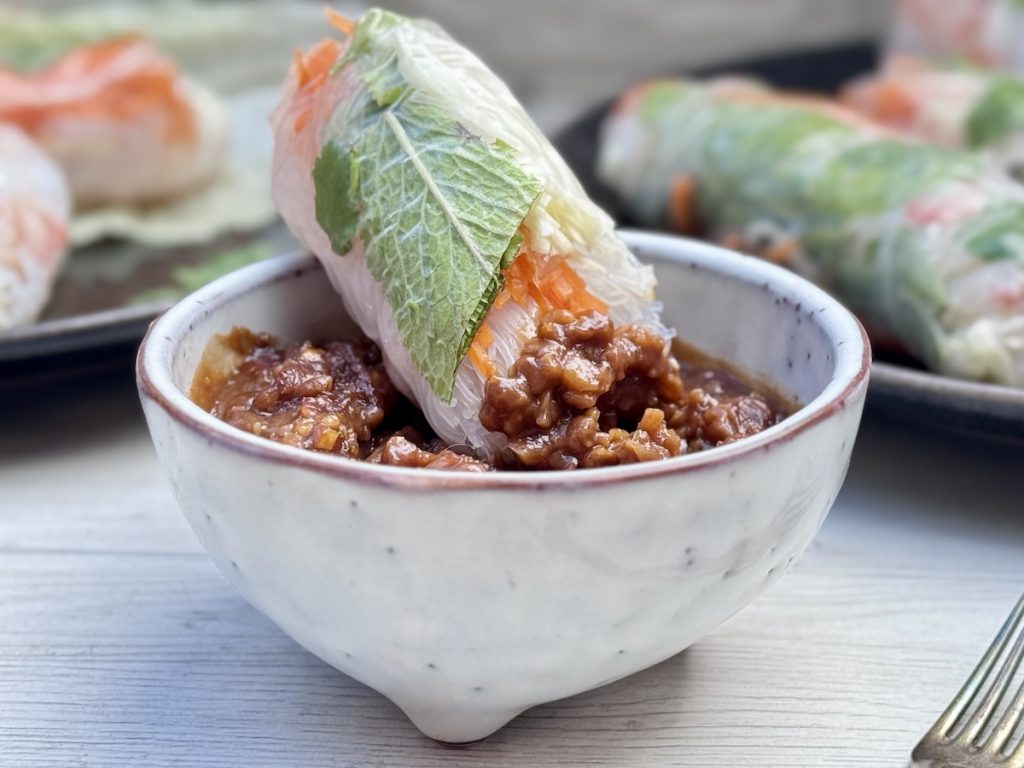
What are Goi Cuon?
In Vietnam, these fresh rolls are a beloved staple, traditionally enjoyed across the country as a light snack or an appetizer. While many know them by variant English names like fresh spring rolls, summer rolls, or salad rolls, they all refer to the same beautiful dish: fresh ingredients encased in a delicate, pliable sheet of banh trang (rice paper). Unlike fried spring rolls, which are crispy and heavy, these are kept raw and fresh.
Across Southeast Asia, you can find various rice paper dishes, such as Cambodian nime chow or Thai fresh rolls. However, the Vietnamese version holds a distinct place in the region’s culinary canon due to its specific balance of fresh herbs, light rice vermicelli, and dipping sauce. They represent a long history of using simple, fresh ingredients to create something beautifully balanced and light.
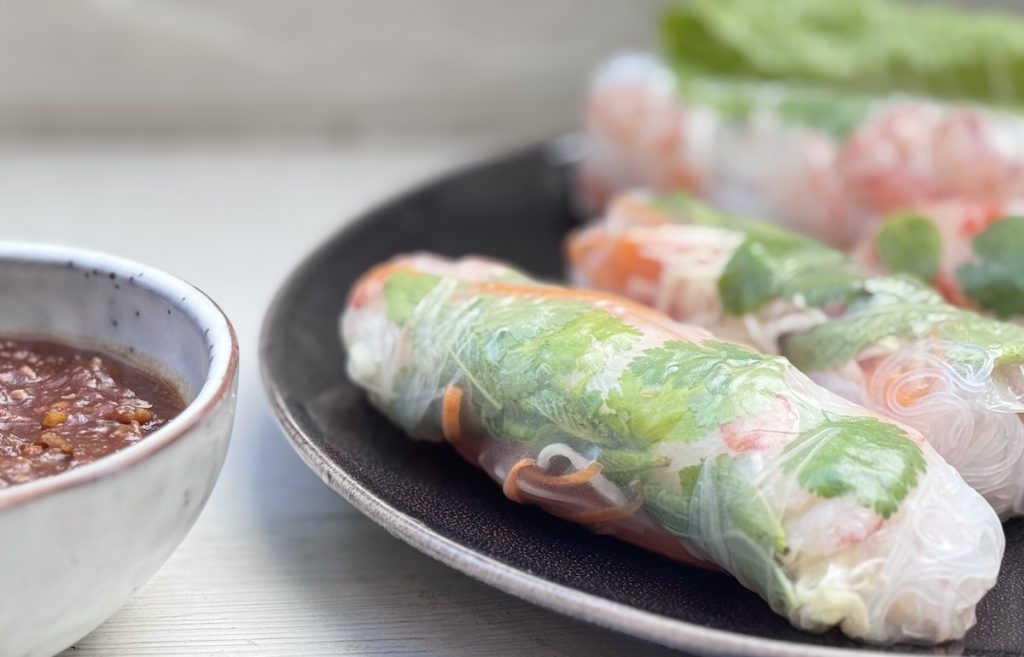
The Components of Goi Cuon
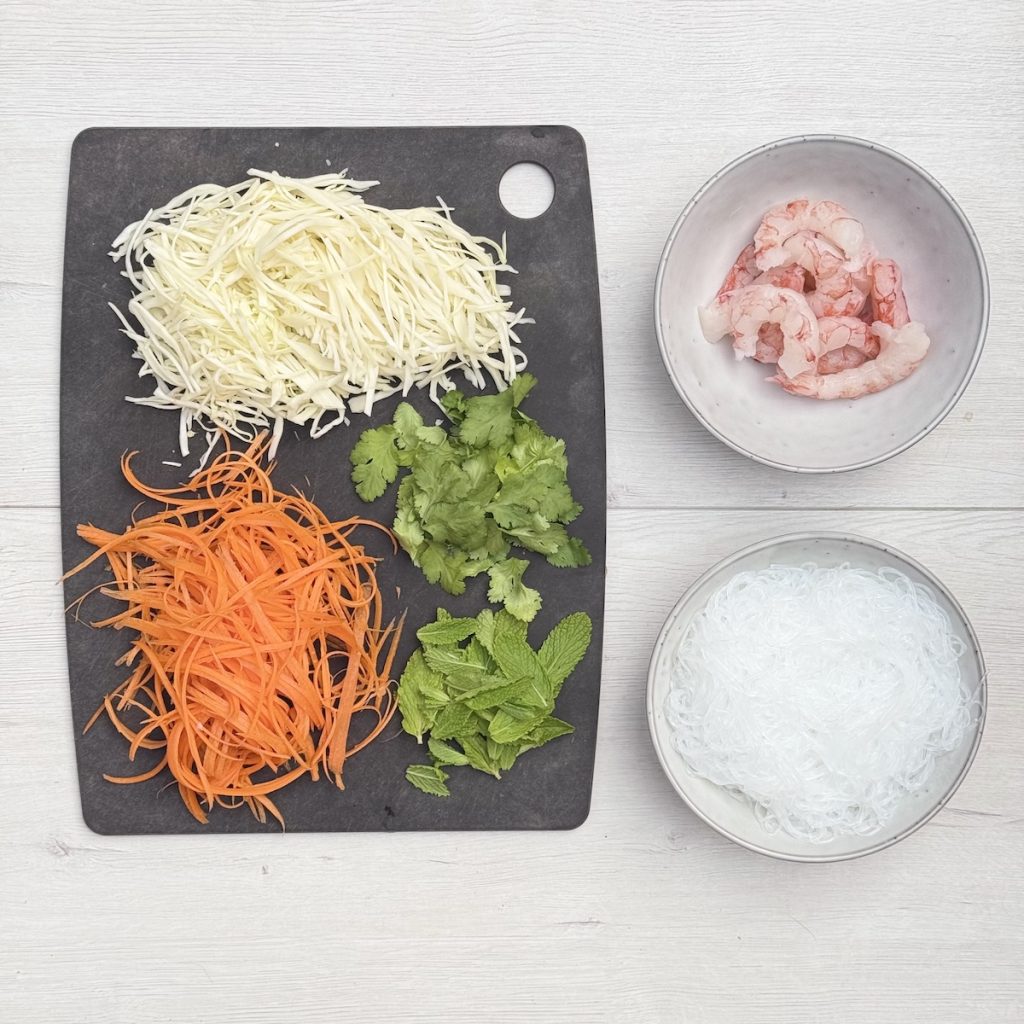
Building these rolls is all about layering textures and colors. The foundation starts with soft, bouncy rice vermicelli noodles, which provide a gentle chew. For the crunch, I like to use a choice of raw shredded vegetables; in this batch, I used a simple mix of crisp cabbage and carrot, which adds a lovely sweetness and color.
Next, you will want to add an additional protein, and it is entirely up to you what you prefer. I chose prawn/shrimp for mine because it is a very typical addition that looks beautiful through the translucent wrapper, but you can also use shredded chicken, roasted pork, or even a mixture of both. In fact, using shrimp and pork together is actually the most traditional way to enjoy them in Vietnam. While the combination might sound a little bit odd to some Western palates at first, I think it is delicious because the savory pork balances the sweet seafood nicely. The only reason it doesn’t feature here is because I was cooking for a pescatarian friend! If you follow a stricter vegetarian diet, you can easily swap the meat out for pan-seared strips of tofu, which work wonderfully to absorb the flavors of your dipping sauce.

How to Make Goi Cuon
I always start by cooking the noodles and the shrimp and shredding my vegetables. Rice vermicelli only take a few minutes in boiling water to soften and cook through – and the same for shrimp. Then shred the vegetables as thinly as you can. We are after long, thin strips.
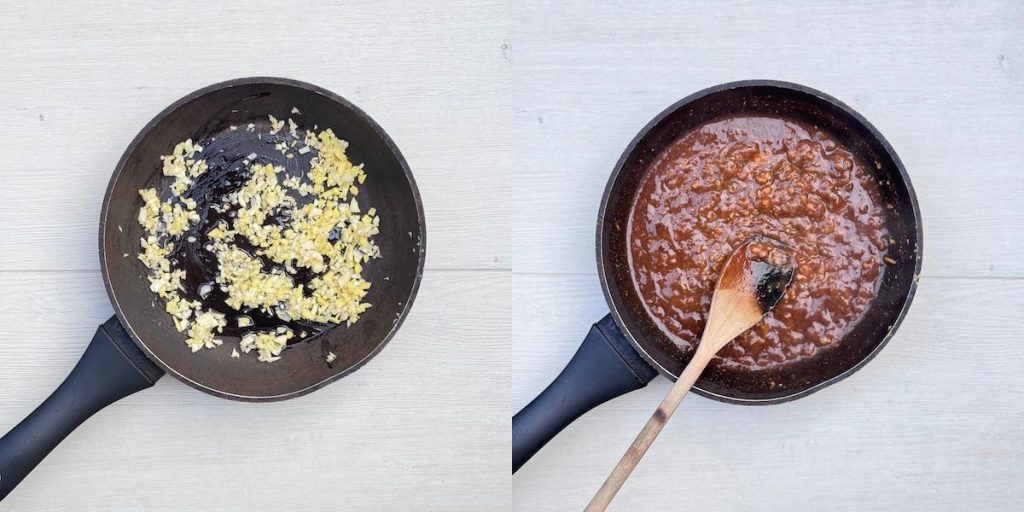
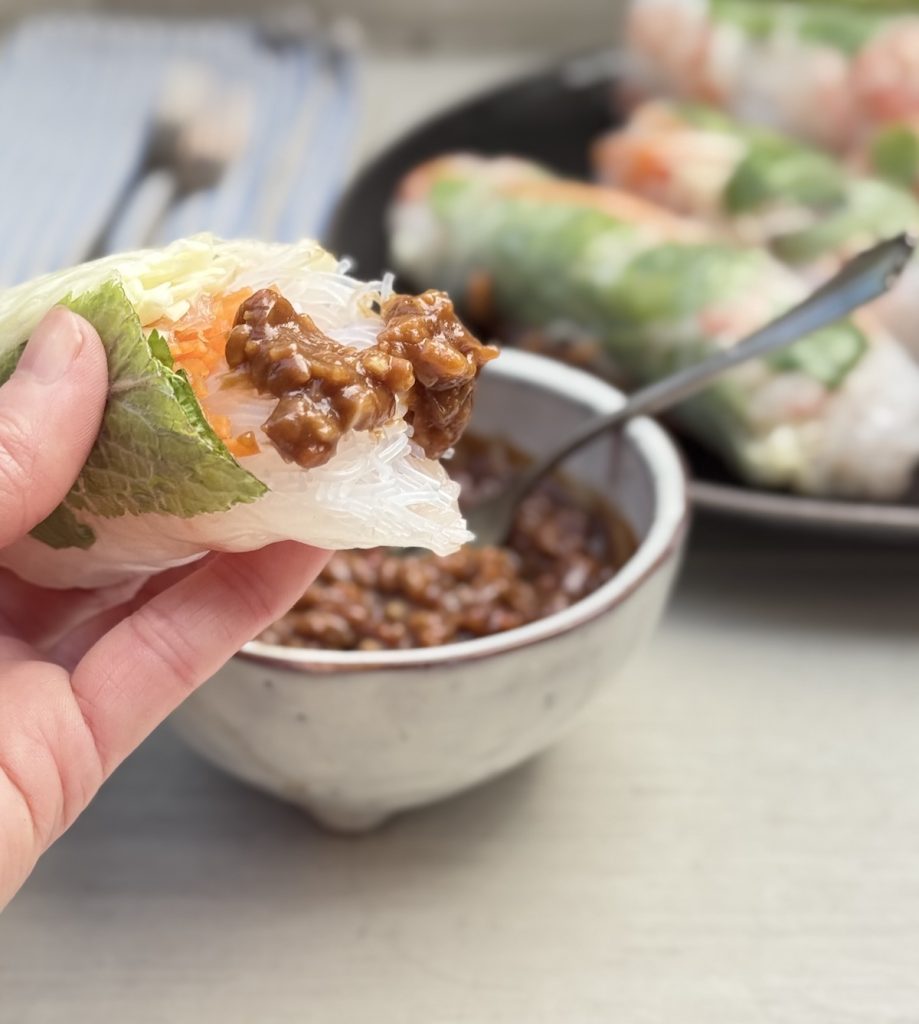
Next up is the special sauce, which I think is half the joy of eating this dish. It is easy to make from standard Asian pantry ingredients, so you won’t need to make a special trip to an Asian grocery store. I make a simple peanut butter sauce mixed with savory hoisin, a touch of minced garlic, and fresh ginger. It is so easy and satisfying to whisk together, and as a bonus, I often find it makes a great quick noodle sauce for leftover vermicelli during the week. Chili sauce like Indonesian sambal oelek or Thai sriracha is optional, but I love it.
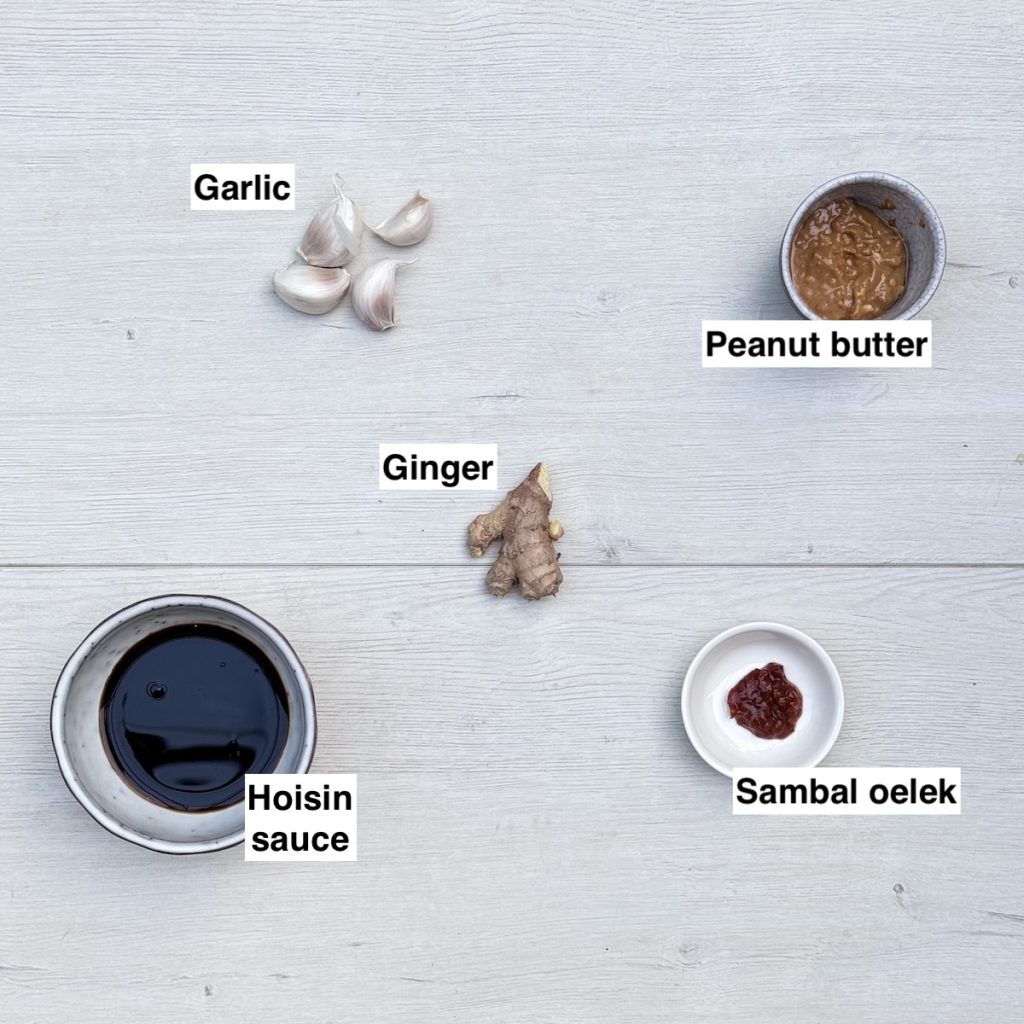
Start by sautéing the garlic and ginger over a low heat for a few minutes – don’t let them brown – then stir in the remaining ingredients.
Rolling Goi Cuon
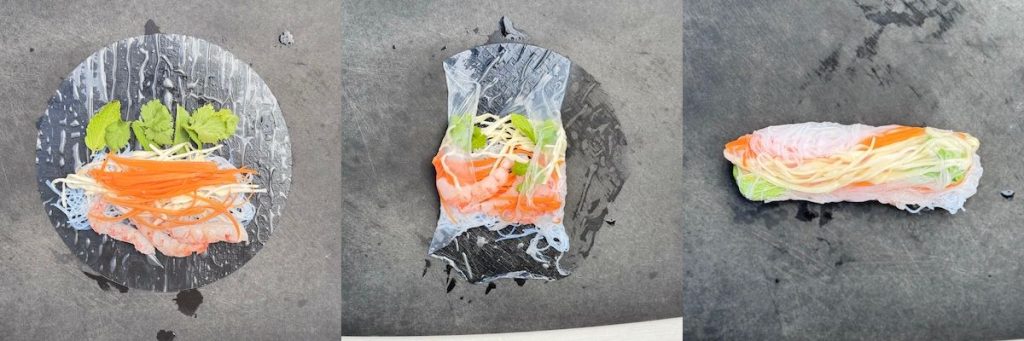
Once your sauce is ready, you can move on to the rolling, which is the most fiddly part of the process. The secret is handling the rice paper correctly. It only needs to be dipped in a shallow bowl of warm water for a second or two to soften. If you leave the sheets in the water too long, they will become overly soggy, stick to everything, and tear easily as you try to fold them. Lay the sheet on a clean surface, place your ingredients down, and remind yourself not to overfill your summer rolls. Just like wrapping a burrito, a moderate amount of filling makes it much easier to roll tightly without accidental tears. Even so, this is going to be a fiddly, messy business! But it gets easier as you get the hang of it.
Storing Goi Cuon
If you have leftovers, they actually keep very well when covered and refrigerated overnight. However, the rice paper has a tendency to dry out and stick to the plate or container, which can cause them to rip when you try to lift them. My favorite trick to prevent this is storing them on top of a bed of fresh lettuce leaves. Not only does this keep the wrappers from sticking to the dish, but it also means you can easily pick them up and eat the roll wrapped with the lettuce as well for an extra layer of crunch.
What to Serve With Goi Cuon
These rolls are typically served as a light appetizer or street food snack in Vietnam, often shared among friends before a larger main course. However, I personally find them filling enough to be a fantastic, standalone lunch dish on a warm day. They are light enough that they won’t make you feel sluggish in the afternoon heat, yet the combination of protein, noodles, and peanut sauce keeps me satisfied for hours. If I am hosting a dinner, I like pairing them with a light Vietnamese noodle soup or some grilled lemongrass chicken.

And More…
Looking for more Vietnamese dishes? Try one of these!
- Vietnamese Avocado Smoothie
- One Pot Pad Thai
- Larb
- Thai Coconut Cauliflower Soup
- Vietnamese Beef Salad
Conclusion
Give Goi Cuon a try in your own kitchen. They are fun to assemble, and the fresh flavors are so rewarding. Grab some rice paper, chop up your favorite veggies, and enjoy the process!
Ingredients
For the dipping sauce
- 1 tbsp vegetable oil
- 4 cloves garlic peeled and minced
- 1 tbsp ginger peeled and minced
- 1/4 cup hoisin sauce
- 2 tbsp peanut butter
- 1/4 cup water
- 1/2 tsp sambal oelek
For the summer rolls
- 4 oz rice vermicelli
- 8 pieces rice paper
- 2 leaves white cabbage, shredded
- 2 carrots peeled and shredded
- 1 sprig mint shredded
- 4 sprigs cilantro leaves only
- 8-16 large shrimp cooked and peeled
Instructions
For the sauce
- Warm the oil in a small pan over medium heat. Add the ginger and garlic and cook for about 2-3 minutes.
- Add the hoisin sauce, peanut butter, chili paste, and the water. Bring to a boil, stir to mix well, then turn off the heat and leave to cool.
For the summer rolls
- Cook the vermicelli according to packaging instructions.
- Soak the rice paper in lukewarm water for about 5 seconds. Once flexible, lie it out flat on a clean surface or work bench.
- Add some of the vermicelli, followed by the cabbage, onions, carrots, herb leaves, and shrimp.
- Fold in the sides, then roll up tightly.
- Serve the summer rolls with the dipping sauce on the side.

No Comments