

Discover a new favorite exotic fruit with this guide about what pepino melon is and how to eat it. You’ll eagerly seek out the delicious sweet fruits when you’ve learned how flavorful, healthy, and easy to eat they are.

I have another exciting exotic fruit I can’t wait to share with all my readers. I love eating and using melons in recipes like my prosciutto cantaloupe salad and blueberry watermelon salad. Today I want to talk all about a new fruit that delivers a similar flavor – the pepino melon.
They’re very popular in native areas where they’re grown and are slowly starting to be discovered by the rest of the world. After you taste one, you’ll definitely want another!
I think learning about them will inspire you to find and eat them, and I’ve shared it all here. Discover what they are, how they taste, how to choose one, and even how they’re best enjoyed.

What is a Pepino Melon?
Pepino melon is a sweet, warm weather fruit that grows from an evergreen bush native to Peru. Over the years it has slowly spread around the world and is now grown in Ecuador, Colombia, Australia, New Zealand, and California in the US.
Depending on where you find it, it could go by other names like melon pear, tree melon, mellow fruit, or pepino dulce (sweet cucumber). Surprisingly, they’re actually not melons at all, and are more closely related to eggplants and tomatoes.
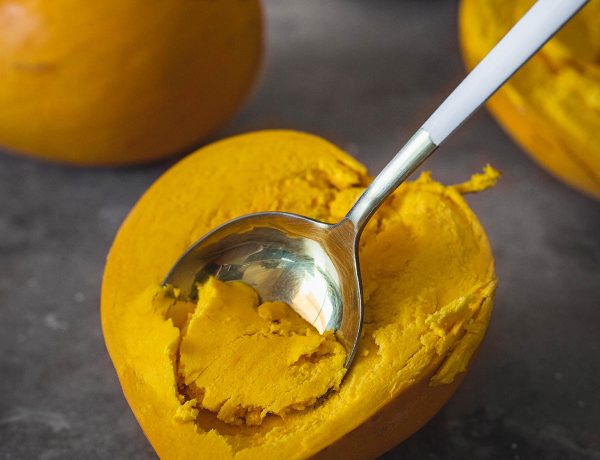
The small fruit is usually around 4 inches long and egg-shaped, with a yellow to orange rind that’s striped with purple. Inside, a creamy, melon-like flesh with sweet, light flavor awaits.
Health Benefits
When you choose fresh fruit to snack on, you’re always making a healthier choice, but melon pears come with a few health bonuses.
They’re high in fiber, low calorie, and have a ton of natural vitamins and minerals that are good for us.
Specifically, good amounts of Vitamins A, C, and beta carotene make them great for our skin and for preventing inflammation.
There is a small percentage of the population who can experience an allergic reaction however. If you’re allergic to tomatoes, or other members of the nightshade plant family, be cautious trying these fruits.

What does a Pepino Melon taste like?
Though they aren’t true melons, the name does indicate what to expect when you take your first bite. They taste very similar to a ripe honeydew or cantaloupe, but with a bit more crispness, like they were mixed with cucumber.
Like most fruit, the sweetness will be the most intense when they’re fully ripe.
Where and When Can I Buy it?
Unfortunately, exotic fruits are sometimes difficult to find, but your best chances will be between early fall to late spring, when the fruits are in season and most widespread.
Looking at Latin American markets is a great option. Or, if you live in a warm, humid climate, check out your local farmers markets, where growers can sell speciality fruit more easily than a supermarket can.
If you have no luck, don’t worry, you can even order them online!
When is a Pepino Melon Ripe?
Unlike a true melon, tapping them isn’t a good way to check for ripeness. Instead, you can choose flavorful pepino melons by the aroma, texture, and color.
They should smell sweet and fruity, and have a deep yellow or orange color between the purple striping. When gently squeezed they should give slightly, like a ripe stone fruit.
If you can only find green ones, simply store it on the counter for a few days to allow it to ripen. Once ready, they’re better kept in the fridge to slow down the ripening. Don’t wait too long though, they only keep for a few days.

How to Cut a Pepino Melon
Getting into the fruit is extremely easy. Wash it first, then you can simply cut it in half lengthwise and scoop out the flesh. The seeds are edible, but can easily be removed with a spoon as well.
The rind tends to get tougher as they ripen, so peel or cut that off with a knife.

How to Eat a Pepino Melon
Native cultures have discovered many ways to enjoy pepino melon, but the most common one is to simply eat it. The entire fruit is edible, from the skin to the seed, so technically you can pick one up and eat it just like an apple!
But most people prefer to remove the unappetizing, tougher rind and scoop out the middle seeds. Then they can be chopped or sliced for eating. In some Latin American countries they’re sprinkled with lemon or lime juice and chili powder for a sweet and spicy snack.

They’re also delicious in smoothies, and savory or fruit salads. In Peru they’re popularly grilled as a side dish, or used in marinades for fish.
If you’re up for something different, you can even eat the underripe, green fruit. Use it like a cucumber or summer squash in salads, wraps, or sauces.
However you decide to enjoy it, exploring world flavors with an exotic fruit should be a fun adventure. I hope this and my other vegetable and fruit guides continue to inspire you to try out new and unfamiliar ingredients, and that you’re able to taste your first bite of pepino melon soon.


1 Comment
Beebe Gunn
June 17, 2023 at 9:23 pmThank you so mush for the information!