
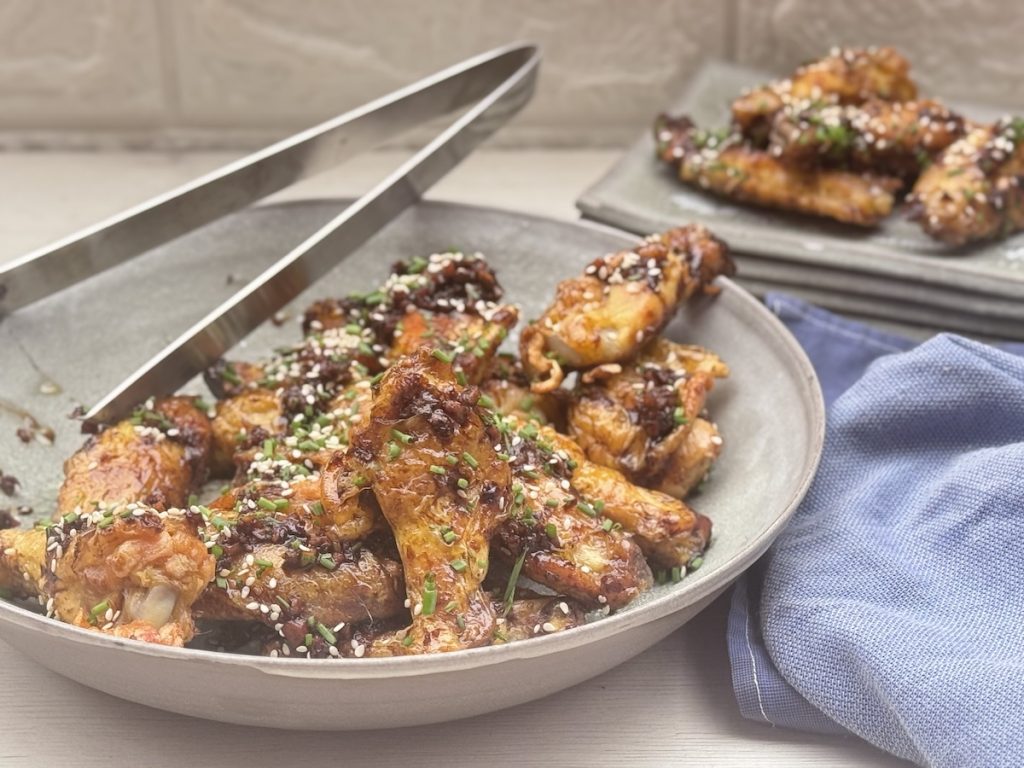
When game day rolls around or I host a casual weekend gathering, nothing clears out a snack table faster than a platter of sticky, savory finger food. Mastering Teriyaki Chicken Wings gives you the ultimate crowd-pleasing weapon for any casual party. Forget ordering expensive takeout or settling for soggy, baked-in-their-own-grease skin; roasting them right in your own oven with a few clever kitchen tricks yields a sticky crunch that easily rivals any deep fryer. Let’s dive into how to build the best batch of wings you will ever make.
Teriyaki Origins and Global Wing Culture
Authentic teriyaki originated in Japan, where the word breaks down into teri (meaning luster or shine) and yaki (meaning grilled or broiled). Traditional Japanese teriyaki relies on a precise balance of soy sauce, mirin, and sake, brushed onto fish or meat as it cooks over an open flame. When Japanese immigrants brought these flavor profiles to Hawaii, local cooks adapted the technique using readily available ingredients like brown sugar and pineapple juice, giving birth to the thick, sweet glaze we recognize today.
Chicken wings themselves occupy a massive space in global comfort food culture. While American buffalo wings drowned in vinegar-and-cayenne sauce dominate sports bars, kitchens worldwide have their own legendary takes. In the Caribbean, wings get heavily spiced with jerk seasoning; in West Africa, they are charred over open coals with fiery chili pastes; and in Southeast Asia, they are glazed in sticky fish sauce and tamarind. Teriyaki sits comfortably among these giants, offering a sweet, savory profile that appeals to almost every palate.
The Anatomy of a Wing: Whole Versus Separated
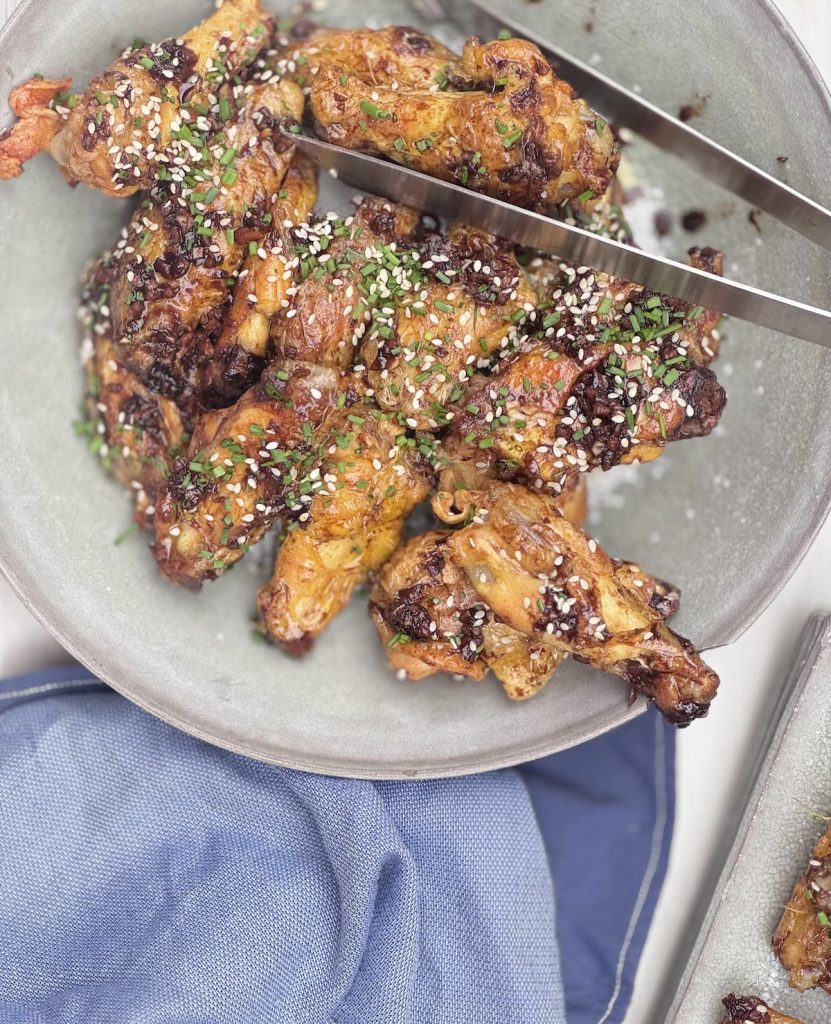
Before you even preheat the oven, you need to look closely at how your poultry is prepped. When you browse the meat counter, you usually face a choice between whole wings or pre-separated pieces. Whole wings look impressive on a butcher’s tray, but separating them into individual drumettes and flats changes everything for the better.
When a wing is completely intact, the tip, flat, and meaty drumette cook at entirely different rates, leading to uneven textures and awkward bites around the bones. Snipping them apart at the joints with a sharp pair of kitchen shears creates uniform pieces that fit comfortably in your hand, arrange evenly on a baking sheet, and soak up the glossy glaze on every single square inch. It takes a couple of extra minutes of prep work, but the payoff in convenience, presentation, and crispiness is massive.
The Science of Crunch: Drying and Baking Powder
Getting that remarkable oven-baked crunch requires understanding a little bit of food science. Moisture is the ultimate enemy of crispiness. If you toss wet chicken straight into a hot oven, the trapped water turns to steam, effectively steaming the skin instead of letting it render and fry. That is why drying the chicken wings thoroughly with paper towels before seasoning is a non-negotiable step.
Once the skin is completely dry, a light toss with a specific blend of salt and baking powder works absolute wonders. Baking powder raises the pH level of the chicken skin, breaking down peptide bonds and allowing the protein to brown and crisp up exponentially faster in a hot oven. It mimics a deep-fried texture without needing a vat of boiling oil splattering across your stovetop.
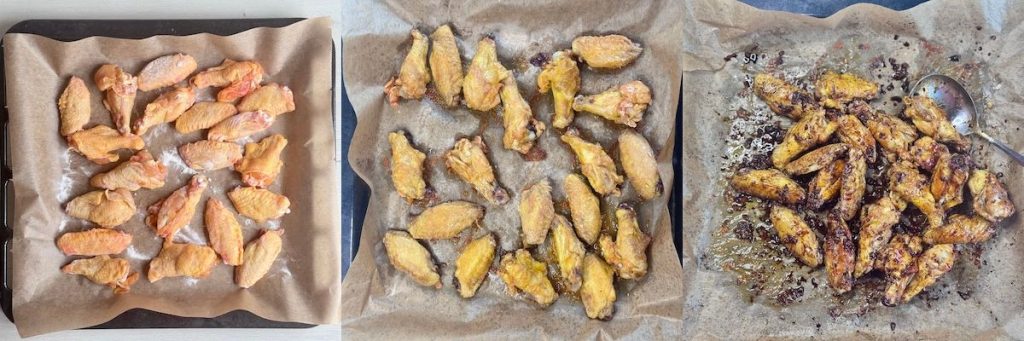
As they roast, you also need to monitor your cooking time to ensure safety. Roasting the wings at a high temperature for about twenty-five minutes renders out the fat, leaving behind a crisp shell ready for action. Because poultry carries inherent risks, you must roast the wings until they hit a safe internal temperature of 165 degrees Fahrenheit. Because wings are packed with connective tissue, letting them reach and slightly exceed that threshold guarantees the meat is fully cooked, tender, and safe to devour while the exterior stays ultra-crisp.
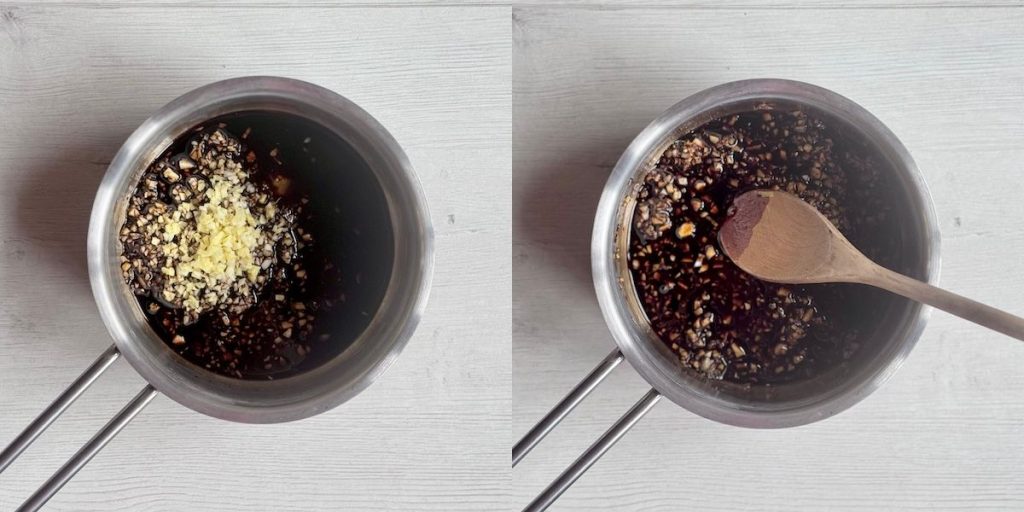
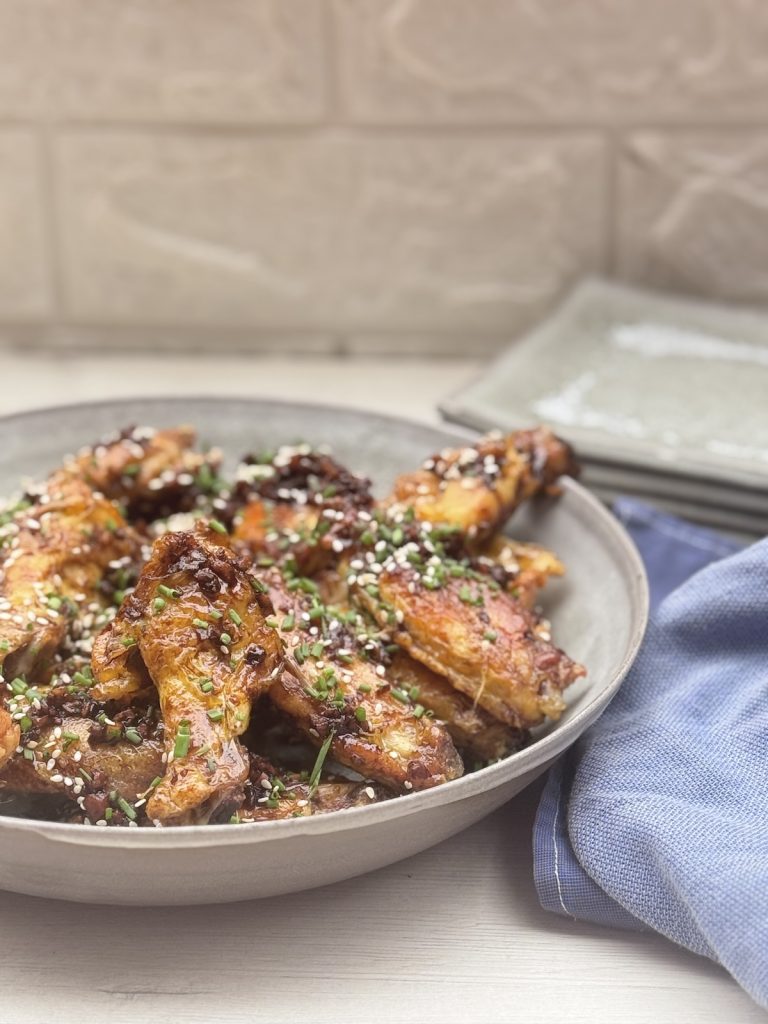
While they bake, simmering soy sauce, honey, sugar, garlic, and ginger transforms those basic pantry staples into a rich, glossy lacquer. Tossing the hot, crispy wings directly into that reduction coats them in a sweet, sticky layer of flavor that locks in all the juices.
And More…
Looking for more finger food for game day? Here are a few ideas…
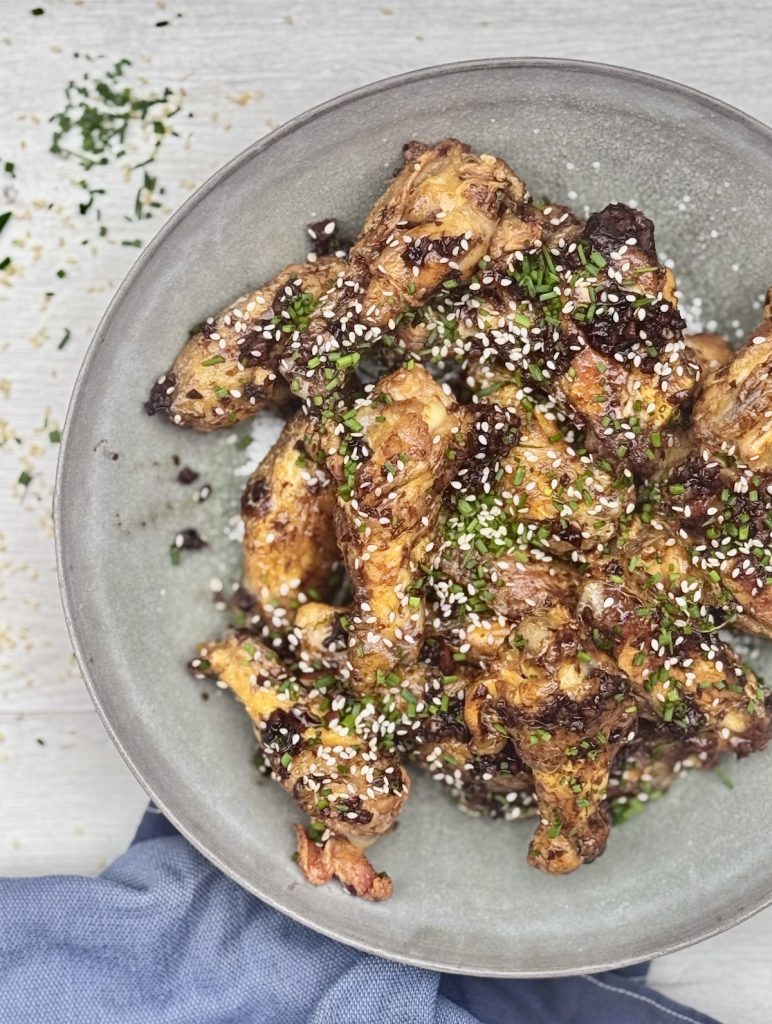
Baking up a batch of homemade wings proves that you don’t need a commercial fryer or complicated equipment to pull off bar-quality food at home. Between the science of the baking powder, the deep history of the teriyaki glaze, and the irresistible crunch, this recipe is guaranteed to become a regular fixture in your kitchen rotation. Fire up your oven, get your baking sheets ready, and treat yourself to an incredible platter of wings tonight!
Teriyaki Chicken Wings
Ingredients
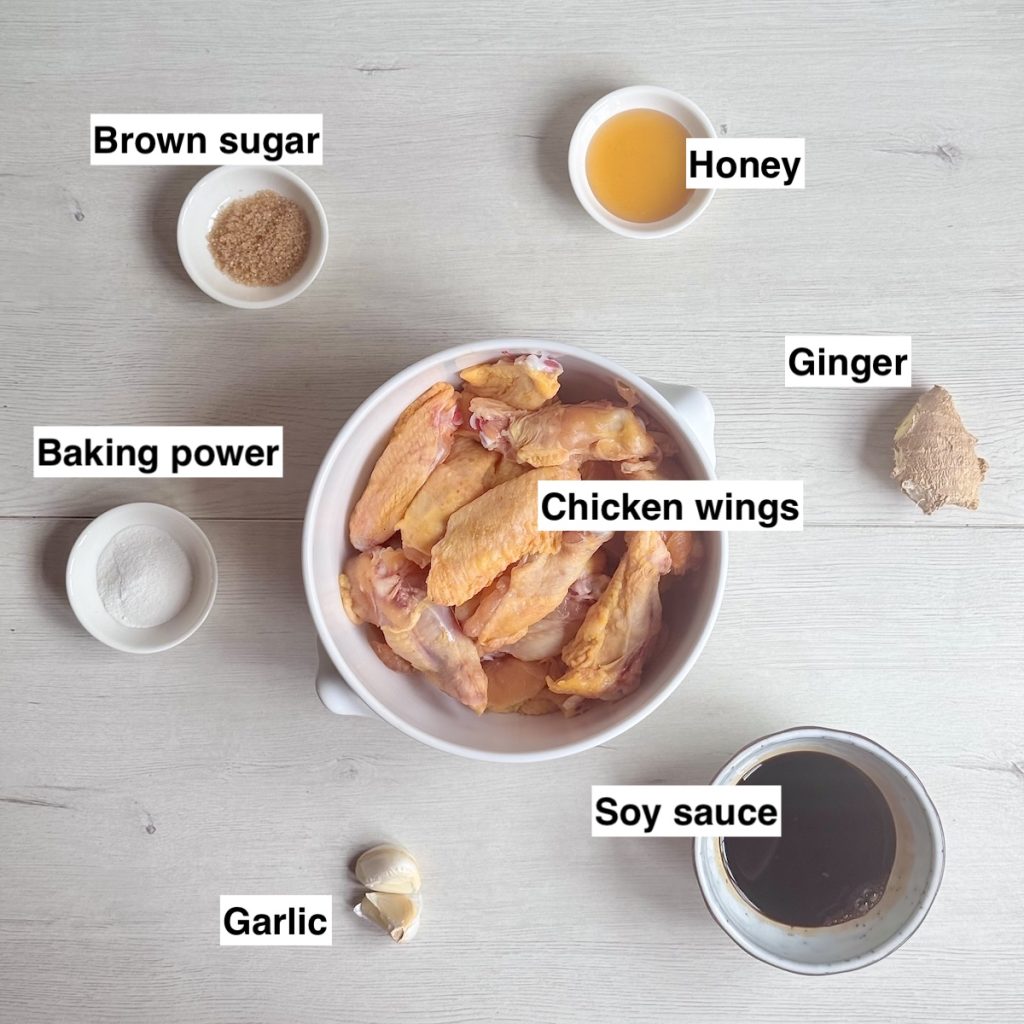
- 2 lb chicken wings separated into flats and drumettes
- 1 tbsp baking powder
- 1/2 tsp salt
- 1/3 cup soy sauce
- 1 tbsp honey
- 1 tbsp brown sugar
- 2 cloves garlic peeled and minced
- 1 knob fresh ginger peeled and minced
To serve
- 2 tbsp chives chopped
- 1 tbsp sesame seeds toasted
Instructions
- Preheat the oven to 425°F.
- Dry the chicken wings really well. Mix the baking powder with the salt and toss the wings in the mixture.
- Roast for about 25 minutes until cooked through and crisp.
- In the meantime, mix the soy sauce, honey, sugar, garlic and ginger in a small pan over medium heat. Add 1-2 tbsp water and simmer for about 5 minutes until you have a thick, glossy sauce.
- Toss the wings in the sauce and serve hot, scattered with chives and sesame seeds.


No Comments