
Few recipes offer such an incredible return on effort as the iconic Tortilla Española. This is the quintessential Spanish dish, and the definition of culinary alchemy. Could a dish made with just three core ingredients—potatoes, eggs, and onion—plus oil, salt, and pepper really be this good? Absolutely! The simplicity is deceiving; what emerges from the pan is a golden, velvety, and deeply satisfying savory cake. It’s a testament to the fact that when you treat humble ingredients with respect, they can deliver extraordinary flavor. Get ready to master this Spanish classic.
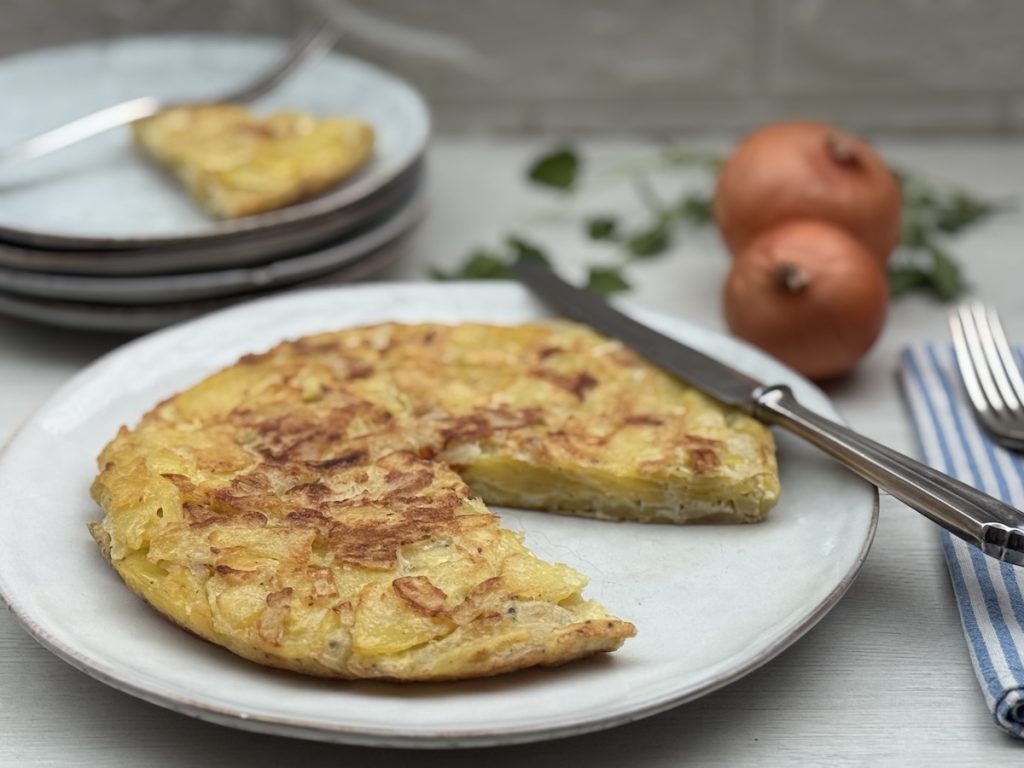
What is Tortilla Española?
The Tortilla Española, or Spanish Omelet, is one of the pillars of Spanish cuisine. Its history dates back centuries, and today, it is universally loved, found everywhere from high-end restaurants to simple tapas bars across Spain. It is essentially a thick, golden omelet made with slow-cooked slices of potato and (often) onion.
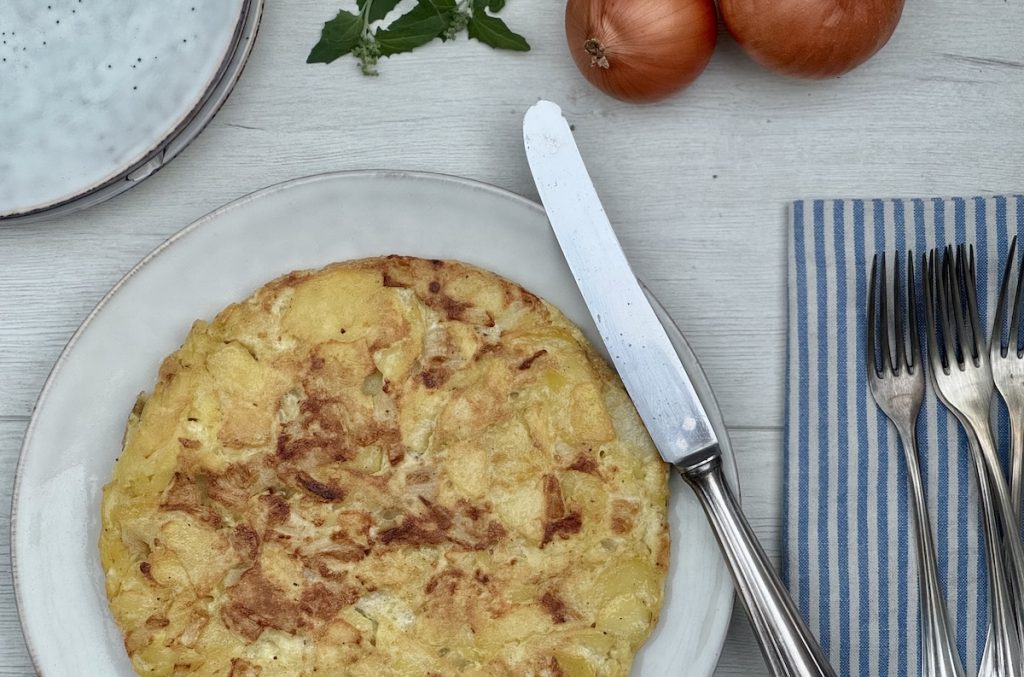
This dish is entirely different from the tortillas found in Mexico and Central America—those are the thin, unleavened corn or wheat flatbreads used for tacos and burritos. The Spanish version is a completely different culinary experience! While the basic recipe is simple, Spanish food culture has a lively, never-ending debate: should onions be included? The classicists (sin cebolla) say no, while the innovators (con cebolla) argue the sweetness of the onion is essential. I firmly believe the slightly caramelized onion adds the necessary depth and moisture, so my recipe embraces the con cebolla camp. Regardless of your onion preference, the Tortilla Española remains one of the world’s most elegant dishes built from the fewest ingredients.
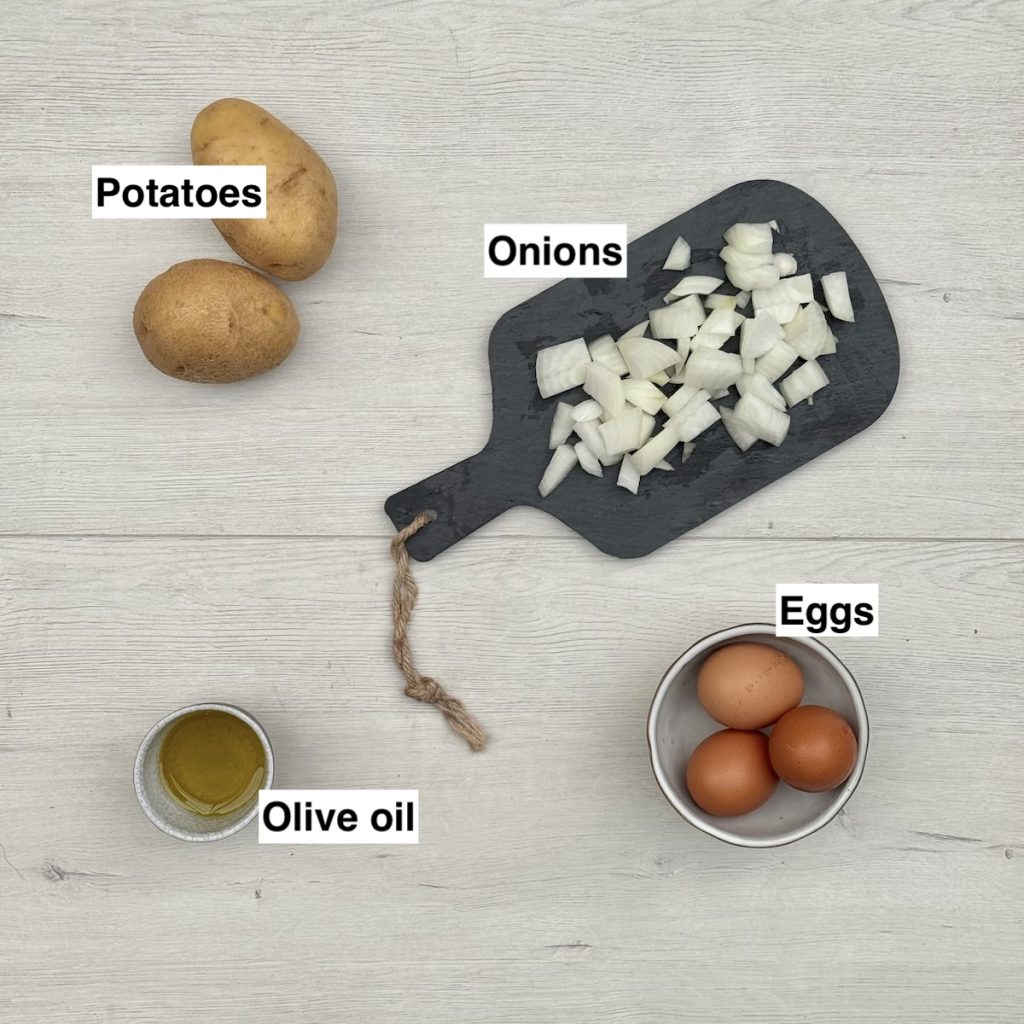
How to Make Tortilla Española
The secret to a perfect Tortilla Española lies in the preparation of the potatoes and onions. You are not frying them to be crispy; you are cooking them gently until they are tender and creamy. Classically, the sliced potatoes are deep-fried in olive oil, but to keep things a little lighter, I prefer to shallow fry.
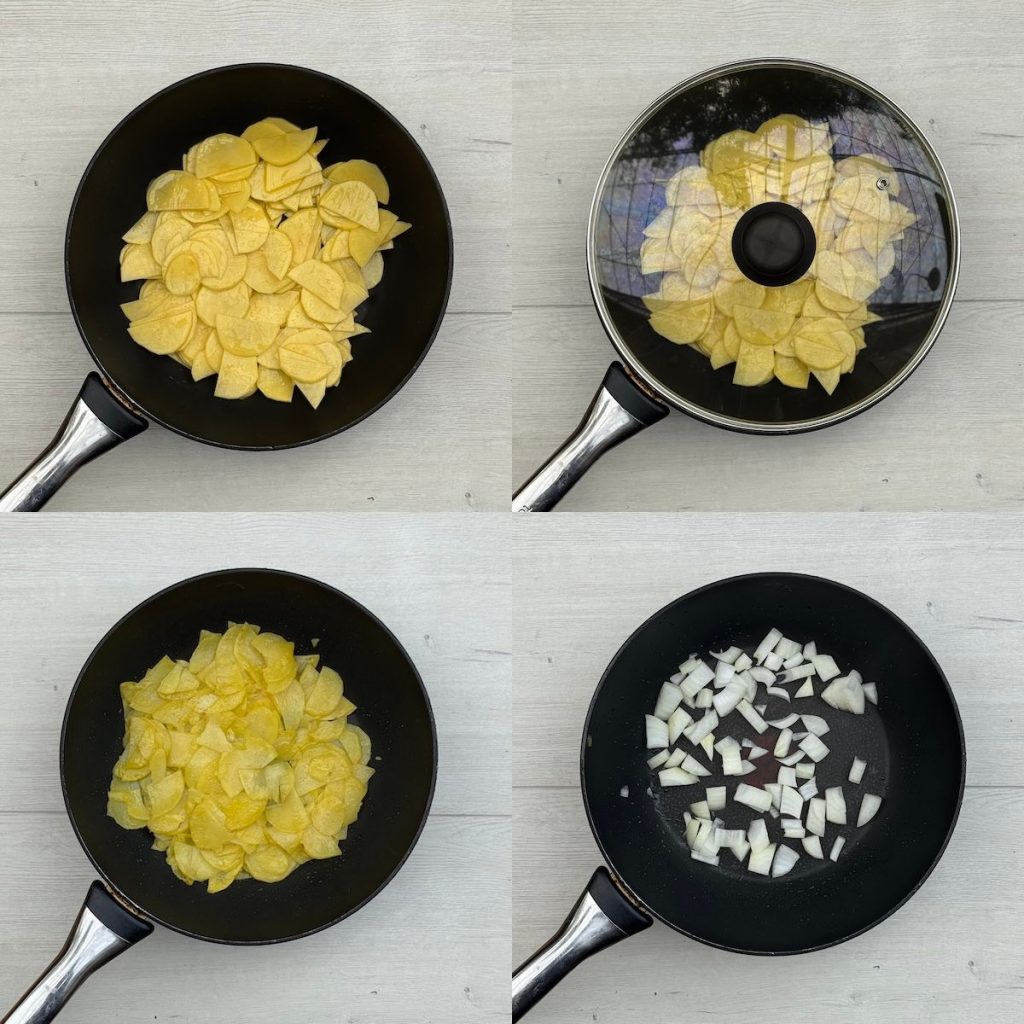
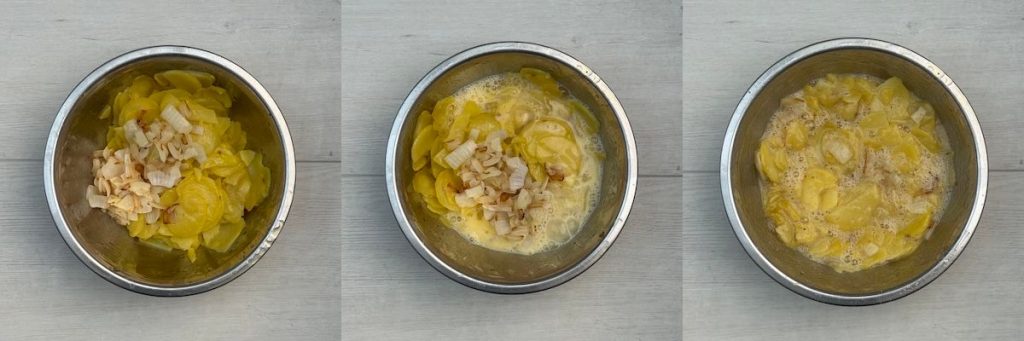
Slice your potatoes thinly and place them in a pan with a generous amount of olive oil—enough to mostly cover the potatoes. Keep the heat medium-low. A trick is to put a lid on the pan; this allows the potatoes to steam and cook through evenly while they soften, rather than burning on the outside. Cook them until they are incredibly tender. The sliced onions are cooked in a separate pan until they are translucent and just starting to turn a pale golden color, bringing out their essential sweetness. Once cooked, drain the oil from the potatoes (reserve it!), and mix the potatoes and onions with the whisked eggs. Crucially, season well—potatoes absorb a lot of salt, so the mixture will likely need more salt than you think to really shine.
The Flip
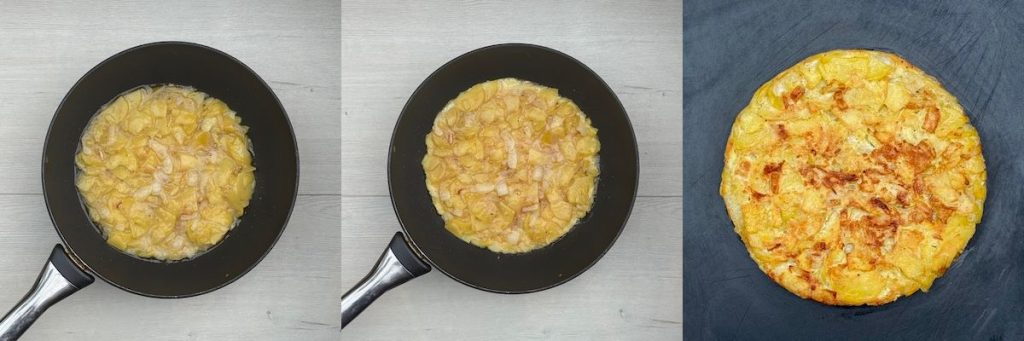
The single moment of potential stress in this entire process is the flip. If you’ve never flipped a large, heavy tortilla before, it can feel like a high-stakes operation! Loosen the cooked potato and egg mixture in the pan so it moves freely. Once the edges are set and the bottom is golden (but the top is still quite runny), place a dinner plate or a flat cutting board over the pan. Firmly hold the plate and the pan together, and with a swift, confident motion, turn the entire thing upside down. The tortilla should now be resting, cooked-side up, on the plate.
Now, slide the half-cooked tortilla gently back into the pan to cook the reverse side. Use a spatula to gently tuck the edges under, giving it that classic smooth, rounded shape. In Spain, it is common for the center to be slightly liquid—this is called poco hecha (undercooked) and yields a moist, almost sauce-like interior. However, if you prefer yours cooked all the way through, just let it cook for a few extra minutes until firm to the touch.
What to Serve with Spanish Tortilla
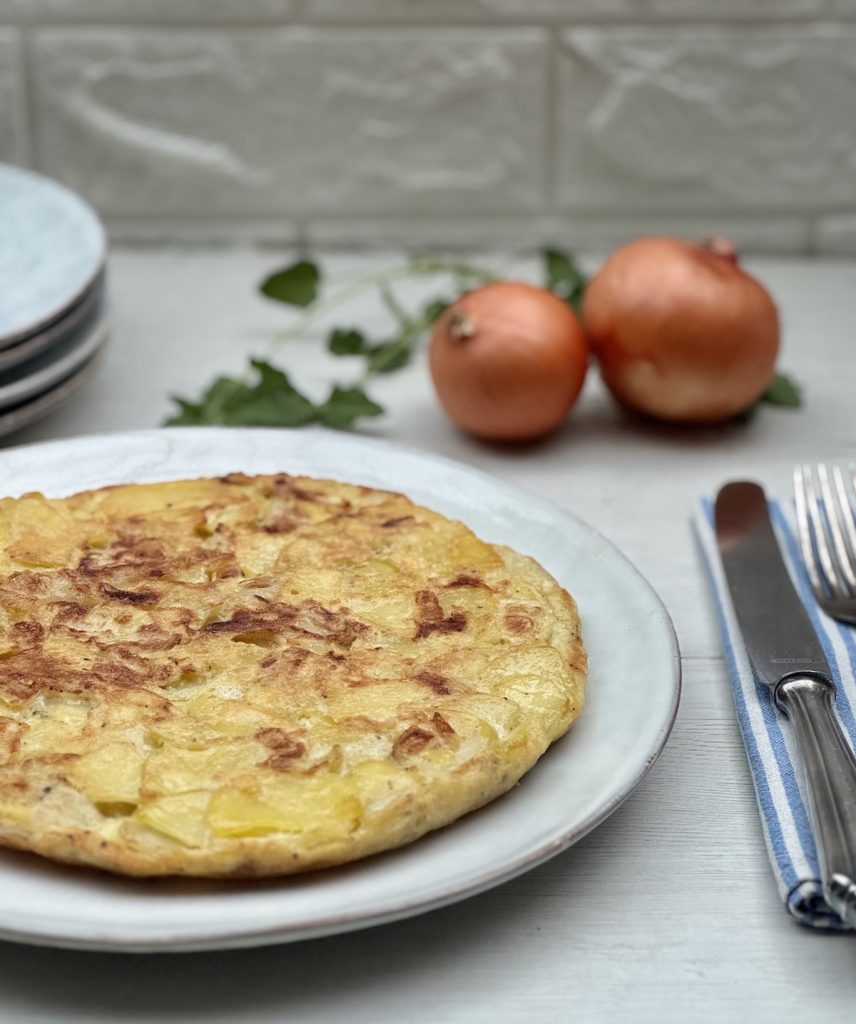
The Tortilla Española is versatile enough to star in any Spanish spread. In a traditional setting, it’s often sliced into small cubes and served as a savory tapa with toothpicks at a bar. It can also be a filling side dish to accompany grilled meat or fish. But frankly, I find its combination of slow-cooked, creamy potatoes and rich eggs to be delicious and hearty enough that it often takes the spotlight. I frequently make one large tortilla and serve it as the elegant centerpiece for a simple meal with nothing more than a fresh, leafy green salad dressed with vinaigrette on the side. When served this way, this recipe is perfectly portioned to serve two people generously as a main dish.
And More…
Looking for more potato recipes. Try out one of these gorgeous comfort food dishes:
- Parmesan Roasted Potatoes
- Purple Mashed Potatoes
- Purple Potato Salad
- Pumpkin Potato Latkes
- Loaded Twice Baked Potatoes
Conclusion
Don’t let its simple ingredient list fool you—the Tortilla Española is a classic for a reason. It is the perfect marriage of texture and flavor, a dish that relies entirely on good technique and quality ingredients. Mastering the gentle cook of the potatoes and, yes, that confident flip, will make you feel like a true Spanish chef. Embrace the simplicity and the delicious results and cook this beautiful, golden masterpiece tonight. Let me know in the comments how you get on.
Tortilla Española
Ingredients
- 2 medium potatoes about 10-11 oz
- 2 tbsp olive oil
- 1 medium onion peeled and chopped
- 3 eggs beaten
- salt and pepper
Instructions
- Peel the potatoes and slice thinly with a mandolin.
- Mix the sliced potatoes with most of the oil, turning to coat.
- Add to a pan over medium-low heat and cover with a lid. Cook for about 12 minutes, turning several times, until tender but not colored.
- Turn the potatoes out of the pan and add the onion. Cook for about 5 minutes until softened. Add to the potatoes with the beaten egg, mix and season generously.
- Heat the remaining oil in a non-stick pan over low heat. Add the mixture and pat into a round. Cook for about 6 minutes until set at the edges and colored on the underside.
- Carefully flip and cook for a further 4-5 minutes on the reverse side.
- Turn out of the pan, slice, and serve hot or cold.


No Comments