
Cazuela is a traditional dish from the coastal regions of Ecuador. This dish, made from green plantains, fish or seafood, and a variety of other vegetables, gets its name from the individual clay pots it is cooked in. Known locally as cazuela de pescado, cazuela de mariscos, or simply cazuela ecuatoriana.

Origins of Cazuela
Cazuela’s origins are deeply rooted in pre-Columbian times. Indigenous populations enjoyed a dish called sango, made from maize mixed with a dense peanut paste. With the arrival of Spanish colonizers, plantains—introduced from the Canary Islands—gradually replaced maize in the recipe. Since then, Ecuador has become one of the largest exporters of plantains, integrating them into many coastal dishes along with seafood and peanuts.
The cazuela dish is particularly renowned in Guayas, Manabí, and Santa Elena, provinces characterized by their coastal geography, which includes beaches, mangroves, and mountainous regions. These areas have abundant plantains, fish, achiote, and various vegetables, making them staples in local cuisine.
An interesting cultural aspect is the use of the fogón manabita, a traditional stove from the Valdivia culture that dates back thousands of years. This cooking method has been preserved and used in making cazuela, adding to its authenticity and flavor.
Why you should try Cazuela?
There are numerous reasons to fall in love with cazuela. Firstly, the combination of flavors—fish or seafood, green plantains, and peanut paste—is unique and delightful. The clay pot cooking method gives the dish a distinctive taste making it a culinary experience unlike any other.
Additionally, while Ecuadorian coastal dishes may not be as well-known as Peruvian or Mexican cuisine, they are equally delicious and worth exploring. The preparation of cazuela might be a bit labor-intensive, but the result is a dish that is a deeply flavorful.
Understanding Albacora and Its Substitutions
Albacora, also known as yellowfin tuna, is a key ingredient in traditional cazuela. This fish is prized for its firm texture, making it ideal for stews and soups. Albacora is known by various names in different countries; for instance, it’s called “atun aleta amarilla” in Spanish-speaking countries and “ahi tuna” in Hawaii.
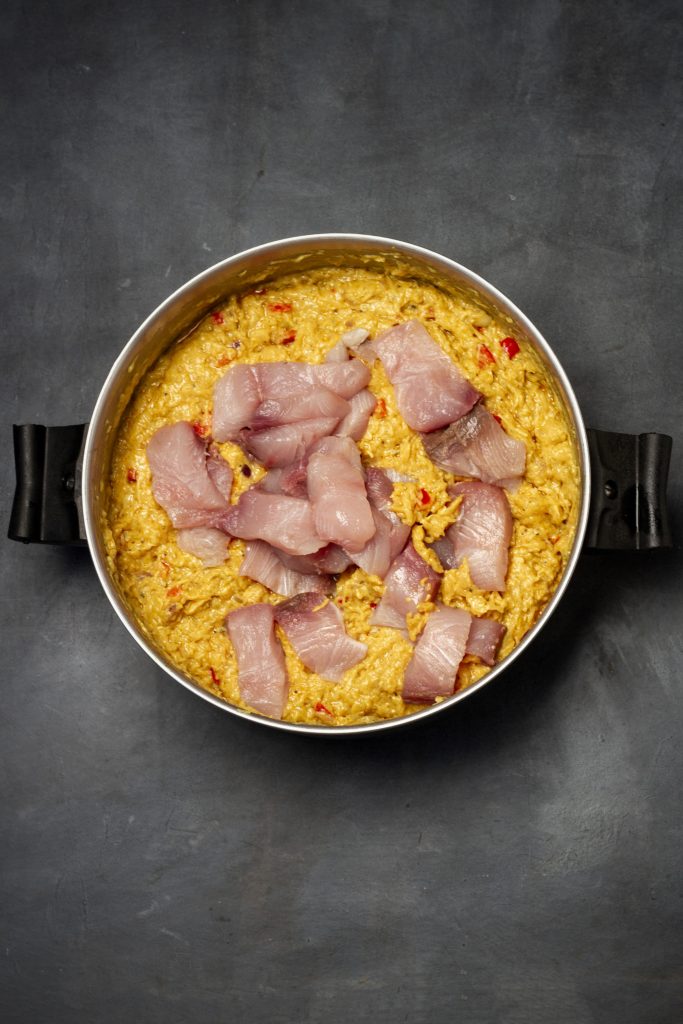
If you can’t find albacora, don’t worry. Other fish like dorado (mahi-mahi), corvina (sea bass), or even swordfish can be used as substitutes. The key is to choose a firm, white fish that can hold up well during the cooking process without falling apart.
The importance of Clay Pots
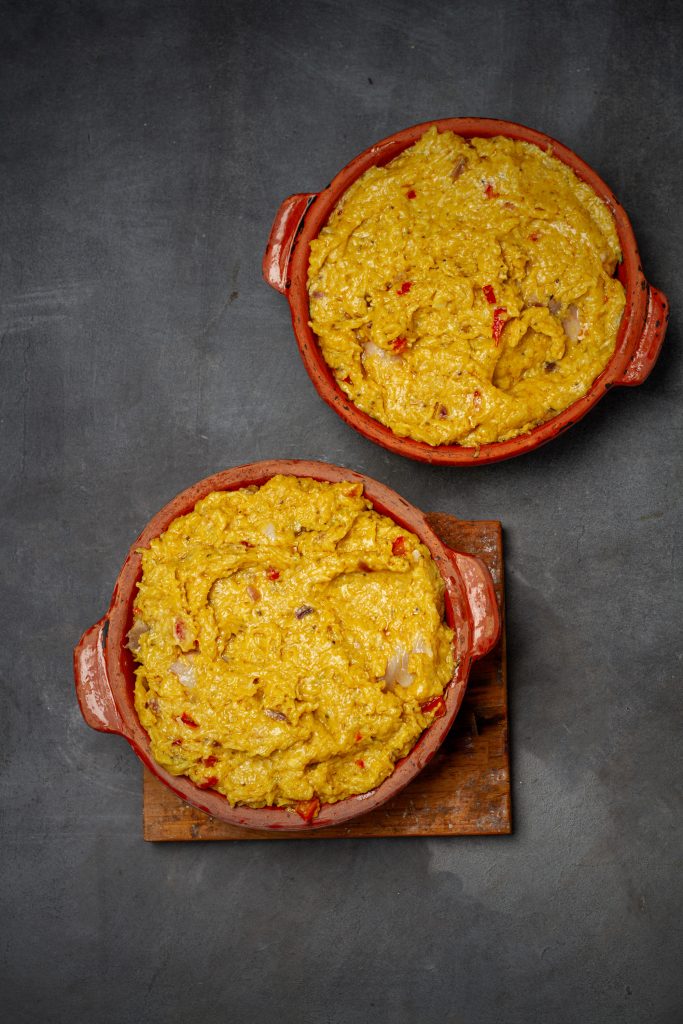
The name cazuela comes from the traditional clay pots used to cook this dish. These pots are not just for show; they play a crucial role in the cooking process. The clay pot retains heat well and provides even cooking, which helps to meld the flavors together beautifully. It also imparts a subtle earthy taste to the dish.
In other countries, these clay pots might be referred to as “casseroles” or “tagines.” If you don’t have a clay pot, a glass or ceramic baking dish can be used as an alternative. Some cooks add a layer of smoked plantain leaves to the bottom of these dishes to mimic the earthy flavor that the clay pot imparts.
What is Achiote?
Achiote, also known as annatto, is a key spice in many Latin American dishes. It’s derived from the seeds of the achiote tree and is used for its vibrant color. To make achiote oil, you simply heat oil and add achiote seeds, letting them simmer until the oil takes on a rich, reddish color. This oil is then used to sauté ingredients, adding both color and flavor to the dish. The achiote oil must cool completely before you can strain it and use it.
The Role of Peanut Paste
In Ecuadorian cuisine, peanut paste is often used to thicken and flavor dishes. It’s more concentrated than peanut butter and has a deeper, richer flavor. If you’re outside of Ecuador and can’t find this specific paste, you can make a substitute by blending roasted peanuts until they form a thick paste. You can also use peanut butter, but for an authentic flavor, choose unsweetened peanut butter.
Green Plantains: A Key Ingredient
Green plantains are essential for cazuela, forming the base with their starchy goodness. Peeled, grated, and mashed, they become a thickening agent that adds body to the dish. Here’s how to prepare them: cut off both ends and make a slit down the peel. Use your fingers or a knife to remove the skin. I first grate the plantains on the fine side of a cheese grater, then cook them until tender.

Variations and Substitutions
Cazuela can be made with various proteins, including different types of fish and seafood. Here are a few popular variations:
- Cazuela de Pescado: This version uses a firm white fish like albacora or dorado.
- Cazuela de Mariscos: This variation includes a mix of seafood such as shrimp, crab, and clams. The seafood adds a slightly different texture compared to the fish version.
- Cazuela Mixta: Combining fish and seafood, this version offers the best of both worlds. It’s a complex dish that highlights the flavors of the sea.
- Cazuela with Corn: Instead of green plantains, this version uses corn as the base. It’s a nod to the pre-Columbian origins of the dish, offering a slightly sweeter.
Tips and Tricks for making Cazuela
Serving suggestions: Cazuela is best enjoyed fresh out of the oven. Serve it hot, garnished with fresh herbs and a wedge of lime. It pairs well with a simple salad or a side of rice.
Choosing the right fish: Opt for a firm, white fish that can hold up well during cooking. Albacora, dorado, and corvina are great choices.
Choosing and storing plantains: Buy the greenest plantains you can find. If you’re not making the cazuela on the same day, store them in the refrigerator to prevent them from ripening.
Green plantains can stain your hands. To prevent this, coat your hands with oil before peeling.
Peeling the plantains: Make a lengthwise incision along the plantain skin and use your fingers to peel it off. This method helps to remove the tough skin easily.
Grating and preparing the plantains: Grate the plantains using the finest side of a cheese grater and place them in a bowl. Add achiote oil gradually to the grated plantains to prevent them from darkening.
Cooking in clay pots: If you have access to traditional clay pots, use them. They help to retain heat and add an earthy flavor. If not, try using a glass or ceramic dish with smoked plantain leaves at the bottom.
Balancing flavors: Taste your cazuela as it cooks and adjust the seasoning as needed.
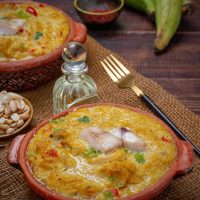
Ingredients
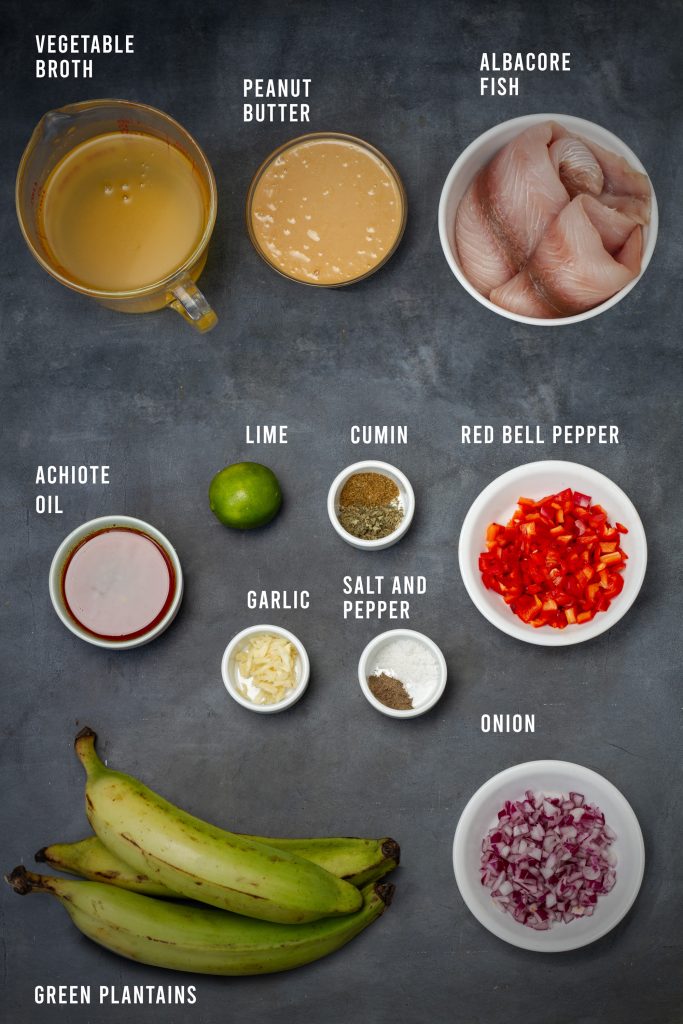
- 4 Green Plantains
- 1 lb Albacore Fish can be substituted with dorado, corvina, or picudo
- 4 tbsp Achiote oil
- 1 Bell pepper
- 1 Large Onion
- 3 Cloves Garlic Minced
- 1 tbsp Cumin
- 1 tbsp Oregano
- 1 Lime
- 4 Cups Fish or Vegetable broth
- 4 Individual Clay Pots
- 0.5 cup Natural unsweetened peanut butter
- Salt and Pepper as needed
Instructions
- Preparing the Plantains: Start by peeling the plantains. Make a lengthwise incision along each plantain and use your fingers to peel off the skin.
- Grate the plantains using the finest side of a cheese grater. Place the grated plantains in a bowl.
- Gradually add achiote oil to the grated plantains, mixing well to prevent them from darkening. Set aside. Preparing the Fish: Cut the fish fillets into bite-sized pieces. Marinate the fish with lime juice, salt, and pepper. Set aside.
- In a large pot, heat the achiote oil over medium heat. Add the chopped onion, bell pepper, and garlic. Sauté until the vegetables are soft and fragrant. Add the cumin, salt, and pepper to taste.
- Stir in the peanut butter and cook for a few minutes until well combined. Gradually pour in the fish or vegetable broth, stirring continuously to prevent lumps from forming.
- Add the grated plantains to the pot and mix well with the peanut sauce and vegetables.
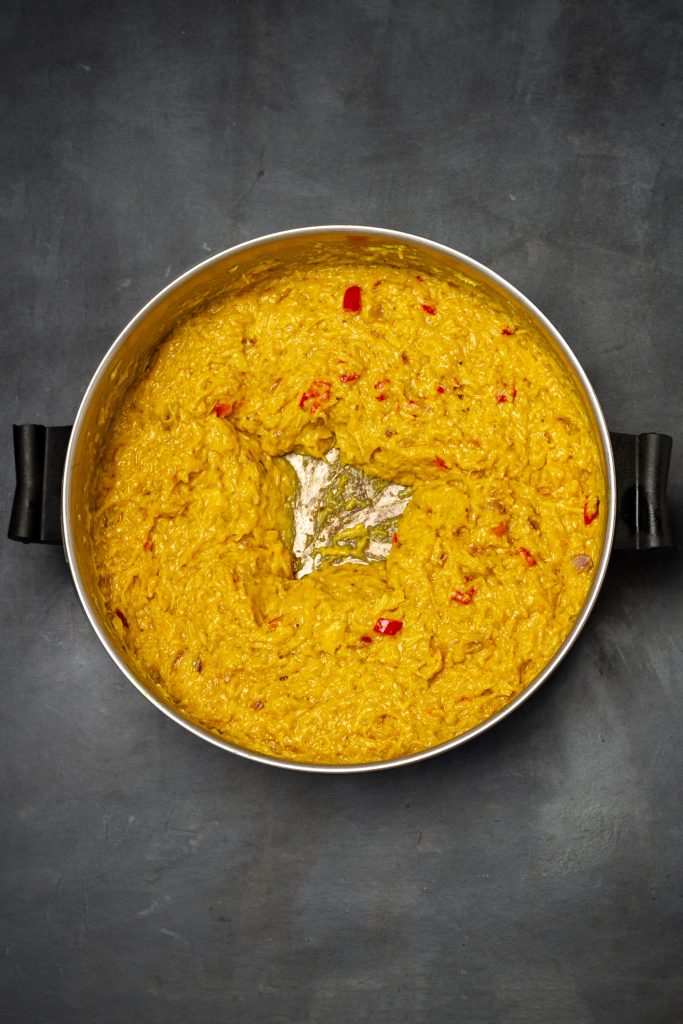
- Cook the mixture over medium heat, stirring constantly, until it comes away from the bottom of the pot and you can see the metal of the pot.
- Add the fish to the mixture. Let it simmer until the fish is cooked through and the mixture has thickened. Adjust the seasoning if necessary.
- Baking the Cazuela: Preheat your oven to 375°F (190°C). Divide the mixture evenly among the individual clay cazuelas or oven-safe dishes. Place the cazuelas on a baking sheet and bake for about 20-25 minutes, or until the top is golden brown and slightly crispy.
- Serving the Cazuela: Remove the cazuelas from the oven and let them cool slightly before serving. Garnish with chopped cilantro and serve with lime wedges on the side.


4 Comments
Mimi Rippee
July 27, 2024 at 8:45 pmI so wish I could make this! But I don’t think there’s any way I can get my hands on plantains. It sounds incredible.
Sara
July 30, 2024 at 8:45 pmIt is really good, you should try it! Green plantains can usually be found in asian markets. ;).
Andrea Avila
August 2, 2024 at 12:32 amLove the pictures and recipe! Will try it today!
Sara
August 5, 2024 at 10:33 pmThank you, Andrea! and please share with us your impressions 🙂