
There is something undeniably impressive about pulling a golden, crisp creation from the oven that started as nothing more than flour and fat. Mastering a reliable Savory Pastry is essentially a master class in kitchen versatility, allowing you to anchor countless delicious meals with a single, foundational skill. Whether you are craving a rustic tart, a hearty hand pie, or a delicate appetizer, knowing how to handle dough with confidence is a game-changer. Let’s move past the store-bought blocks and learn how to create a flaky, buttery crust that will make your savory dishes shine.
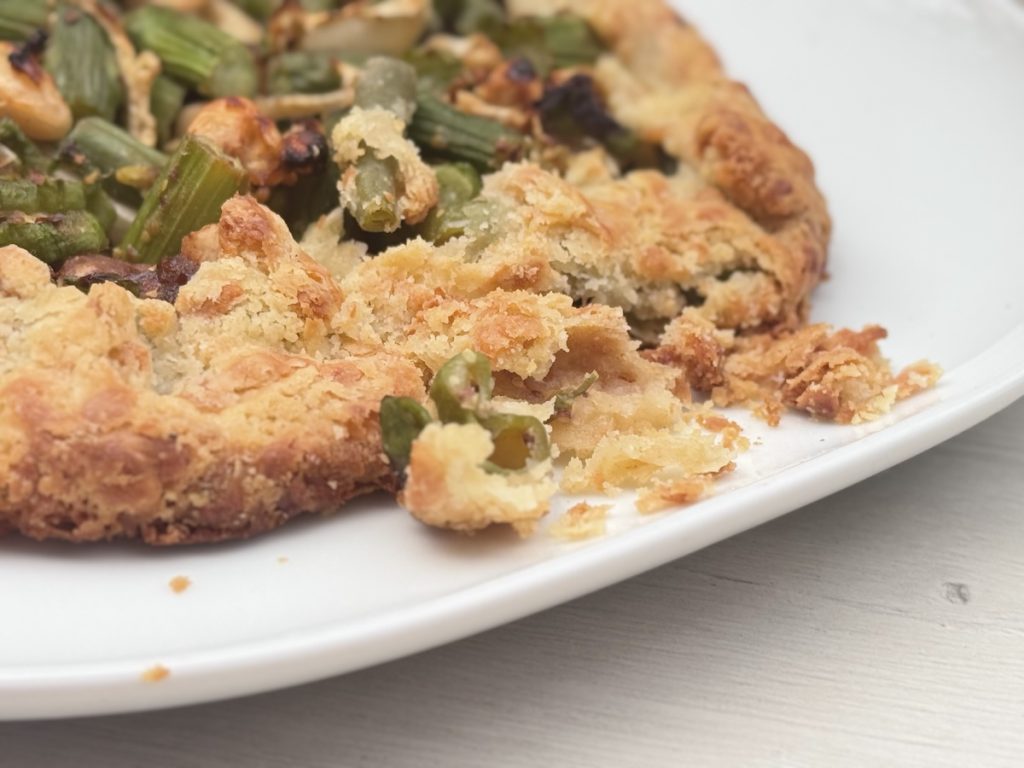
What is Savory Pastry?
At its most fundamental level, pastry is simply a purposeful blend of flour and fat, brought together with just enough liquid to form a dough. This humble combination serves as the architectural basis for a staggering variety of culinary delights, both sweet and savory. From the towering walls of a classic meat pie and the sophisticated edges of a vegetable tart to the handheld convenience of crispy empanadas, pastry is the vessel that makes these dishes possible. In this guide, we are focusing specifically on the savory side of things—crafting a dough designed to complement salty fillings, savory herbs, and rich cheeses rather than sugar. Understanding this dough allows you to view it not just as a recipe, but as a flexible building block for your own creative kitchen experiments.
How Should Pastry Turn Out?
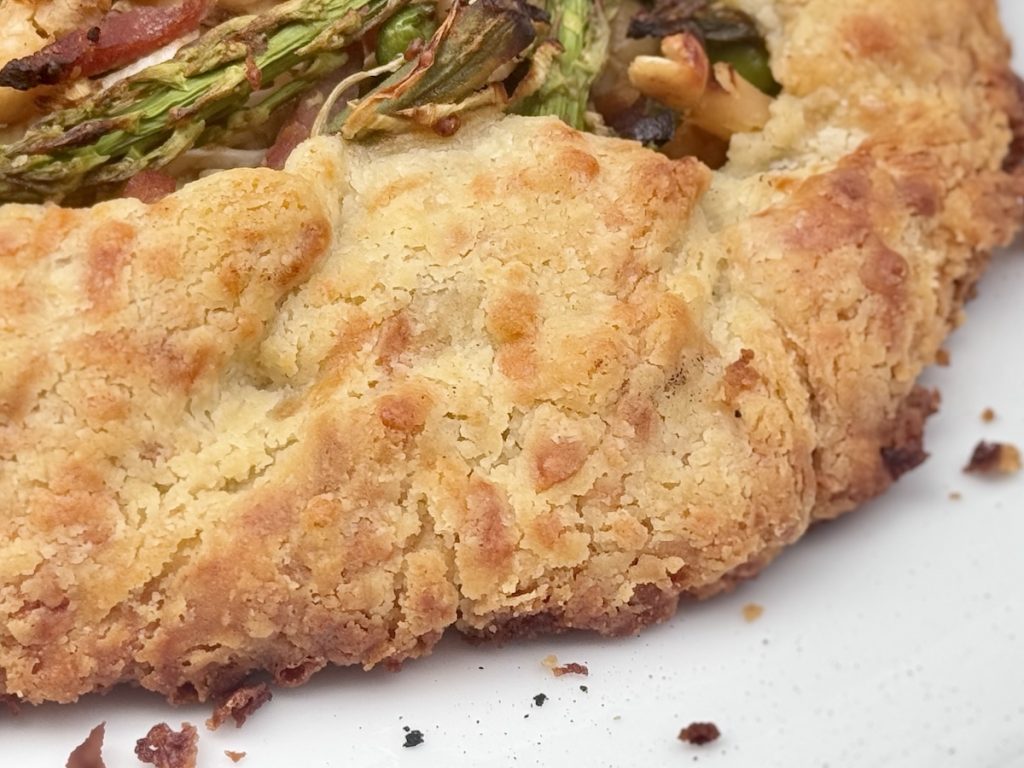
The goal with a high-quality pastry is to strike a delicate balance between structural integrity and texture. The dough needs to be firm enough to hold its shape during the bake, ensuring it can support even a semi-liquid filling without turning into a soggy mess. Yet, once it hits your plate and you take that first bite, the texture should be super-crumbly and melt-in-your-mouth tender. Achieving that “short” or crumbly quality while maintaining a crisp exterior is the true mark of a well-made pastry, and it is entirely possible once you understand how to manage your ingredients.
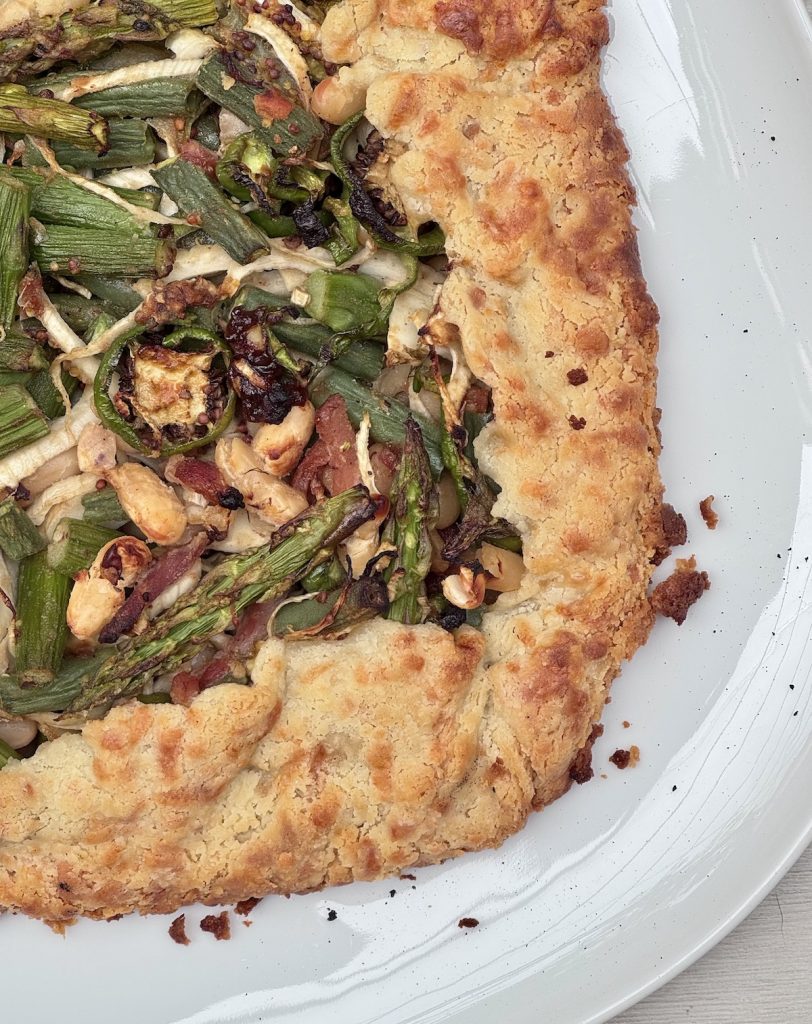
How to Make Savory Pastry
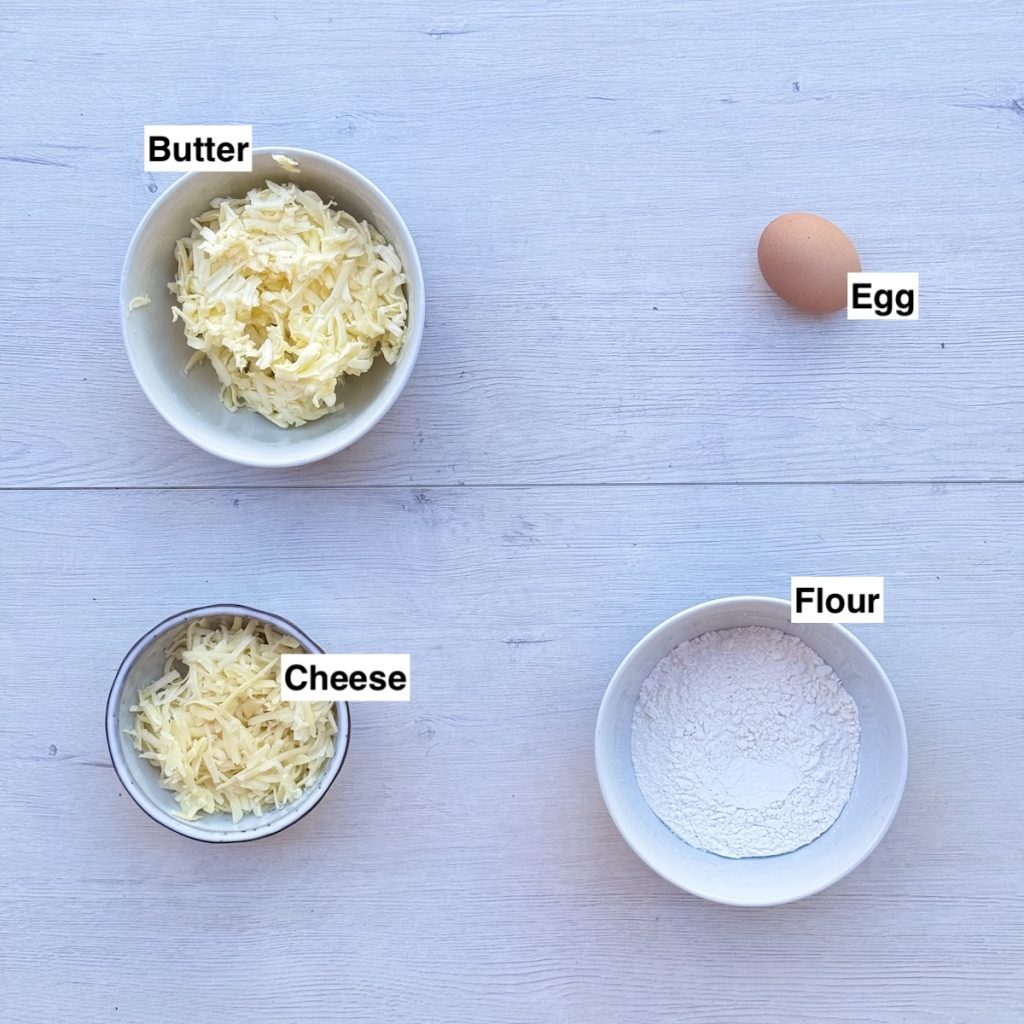
We are using a classic shortcrust pastry recipe here, which is distinct from puff pastry. While puff pastry relies on hundreds of thin, laminated layers of fat to rise, shortcrust is about achieving a dense, crumbly texture. We are using cold butter as our primary fat, but I’ve supplemented it with finely grated sharp cheddar cheese. This adds a punch of savory flavor that pairs beautifully with almost any vegetable or protein filling. I also include an egg in the mix; it acts as a binder that makes the dough significantly more malleable and easier to roll out without cracking.
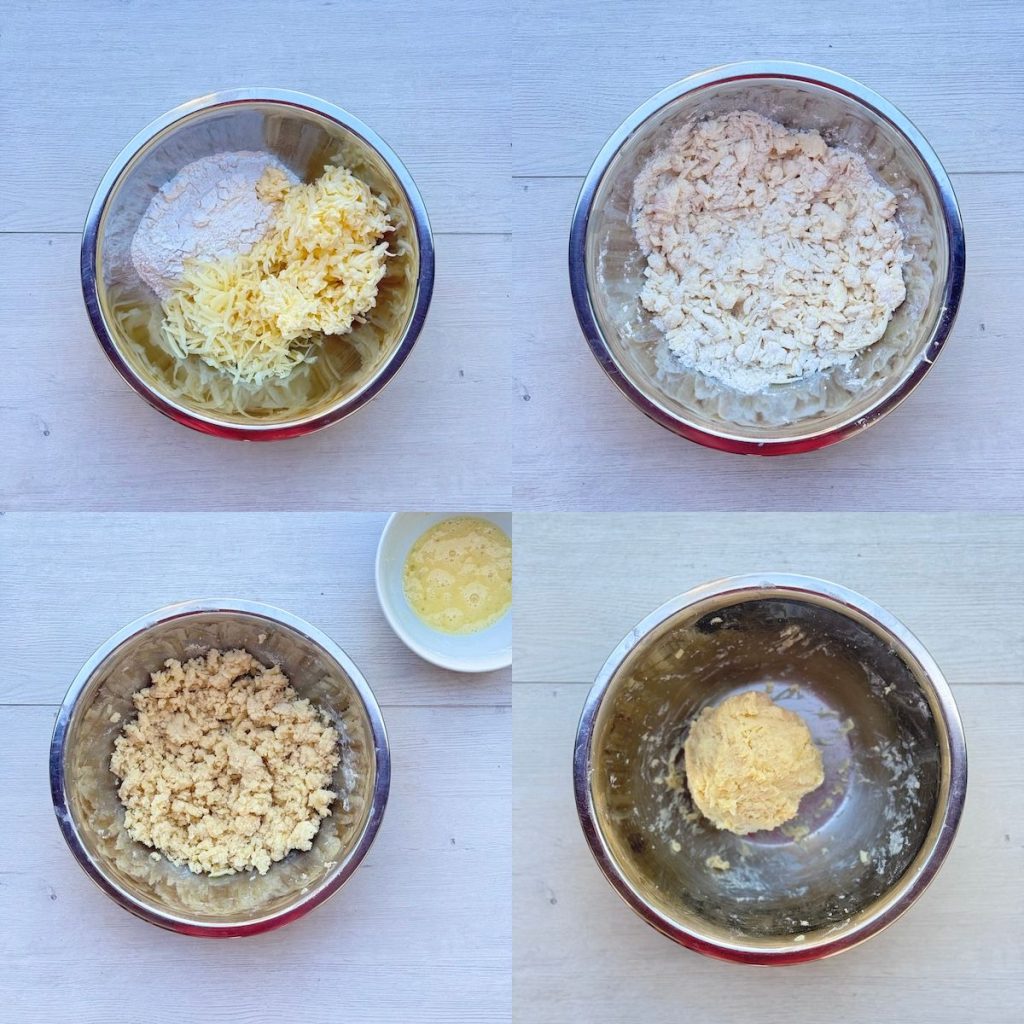
Rubbing in the Butter
“Rubbing in” refers to the process of using your fingertips to gently work cold, cubed butter into the flour until the mixture resembles coarse breadcrumbs. This technique is crucial because it coats the flour particles in fat, which inhibits long strands of gluten from forming—this is the secret to that coveted “short,” crumbly texture.
Once your butter is incorporated, you’ll add the egg. The goal here is only to bring the crumbs together into a homogeneous mass; you are not looking to create a bread dough. Add the egg a little bit at a time, stopping as soon as the dough clings together. Most importantly, do not knead! The more you handle the dough, the more you develop the gluten, which will inevitably lead to a tough, chewy pastry. Keep your touch light, keep the ingredients cold, and handle the dough as little as possible to ensure it stays tender.
Resting the Pastry
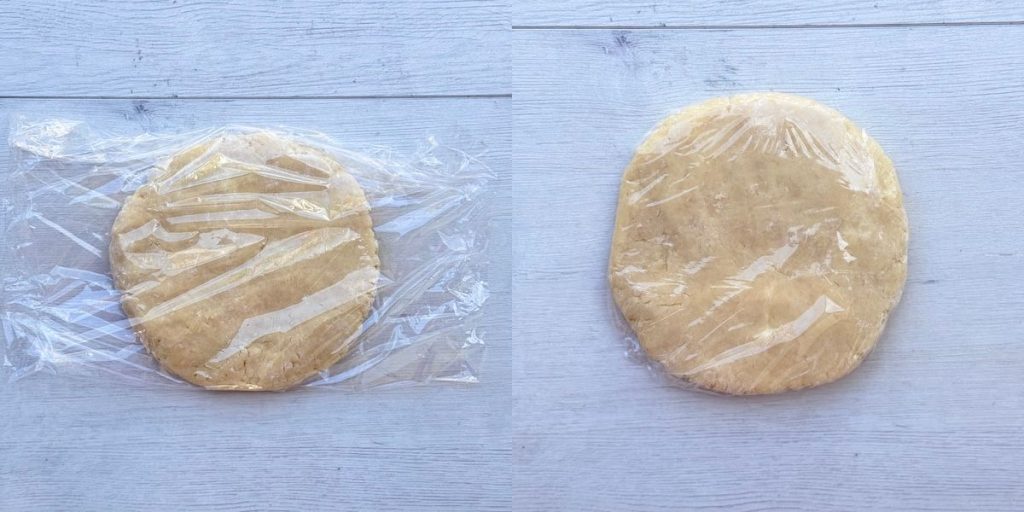
Once your dough is formed, wrap it tightly in plastic wrap and let it rest in the refrigerator for at least thirty minutes. This step is non-negotiable. Resting allows the gluten network to relax, which prevents the pastry from shrinking back when you roll it out, and it gives the fat time to firm up again. Cold fat is the key to creating those beautiful, flaky pockets in the oven, so never skip this chilling period before you start rolling.
Rolling Out
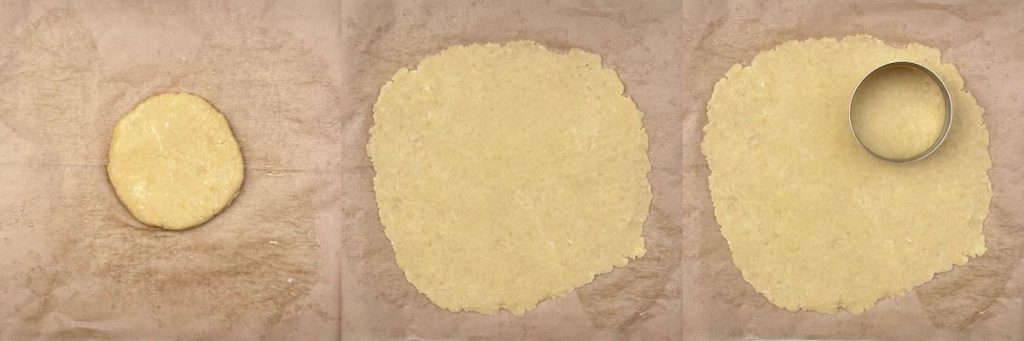
When the dough is sufficiently chilled, it is ready to roll out on a lightly floured surface. For this post, I fashioned my pastry into a galette—a wonderfully forgiving, rustic tart that celebrates free-form edges. However, this same recipe is incredibly versatile. Use it for standard pies, elegant quiches, or even small, handheld filled pastries like empanadas and Cornish pasties. Whatever shape you choose, aim for an even thickness to ensure uniform baking, and don’t worry too much about perfect edges; a little bit of rustic character is often the most beautiful part of a homemade pastry.
And More…
Want to do more baking? Try one of my other recipes:
Conclusion
There is a quiet, meditative magic in transforming simple, cold ingredients into something that looks and tastes extraordinary. Don’t worry if your first attempt isn’t perfectly symmetrical or if your hands get a little floury; the beauty of this dough lies in its rustic nature and the care you put into it. Grab your rolling pin, lean into the process, and enjoy the satisfaction of serving something truly handmade. Your oven is waiting to turn that effort into something special.
Ingredients
- 1 cup all purpose flour
- 1 stick butter grated
- 2 oz cheddar cheese grated
- 1 small egg
- salt
Instructions
- Rub the butter and cheese into the flour and salt until it resembles coarse breadcrumbs.
- Add about half the egg and bring together into a mass. Press gently into a disc or rectangle, adding more egg if necessary.
- Wrap in plastic wrap and refrigerate for at least half an hour.
- Roll out to your desired shape(s) and bake according to your recipe.


No Comments