
Is there a more versatile dish in the brunch universe than a Vegetable Frittata? It’s the ultimate kitchen chameleon—equally at home on a fancy Sunday table or as a “clean out the fridge” savior on a Tuesday night. I love it because it’s effortless, elegant, and packed with whatever vibrant produce you have on hand. Whether you’re a seasoned home cook or a total beginner, mastering the Vegetable Frittata is your ticket to a stress-free, delicious meal that never fails to impress.
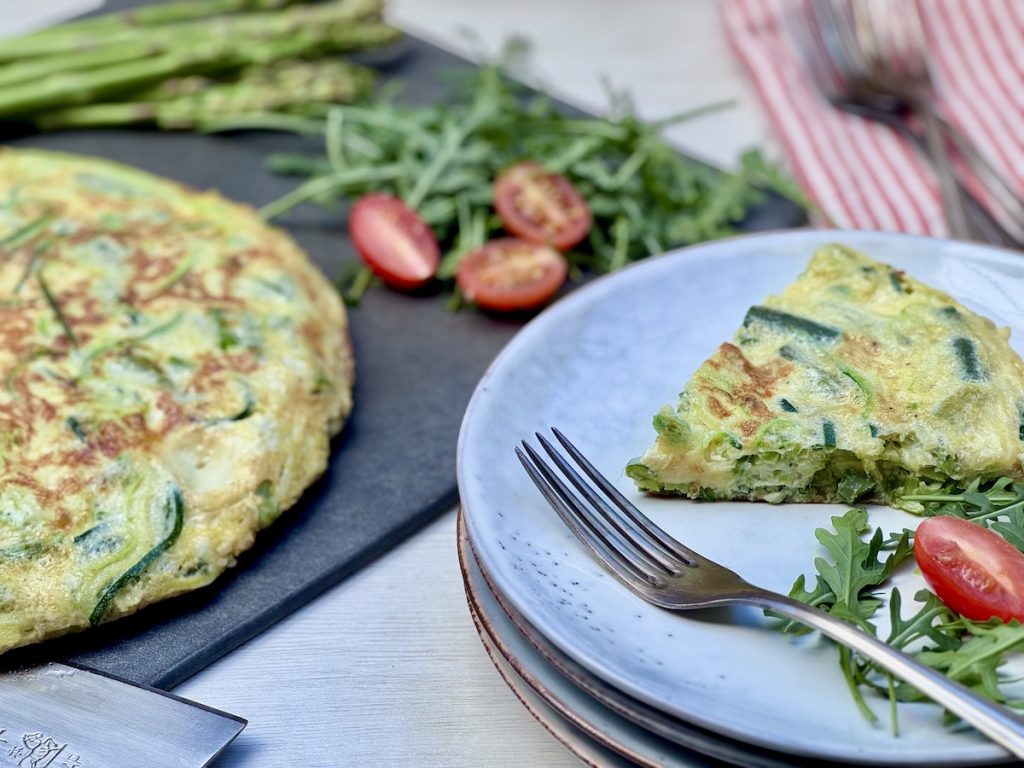
What is a Frittata?
While eggs are a universal language, the frittata is a distinctly Italian masterpiece. The word itself comes from friggere, which roughly translates to “fried,” but in the culinary canon, it has evolved into something much more sophisticated than just a pan of fried eggs. Unlike a classic French omelet, which is folded and served with a delicate, soft interior, or the Japanese okonomiyaki, which relies on a flour-based savory batter, the frittata is all about the eggs being cooked slowly in a thick, cake-like disk.
We see variations of this concept all over the globe. The Spanish tortilla de patatas is perhaps its most famous cousin, though it is traditionally much heavier on the potatoes and cooked until very firm. Then there’s the Iranian kuku, which is often so packed with herbs that the eggs are merely a binder for the greens. Here at Yummy Addiction, we are leaning into the Italian inspiration—a dish that celebrates the harmony between eggs and dairy without being quite as rigid as a quiche (and without the fuss of a crust!). Historically, it was a way for Italian families to use up leftover pasta or vegetables from the night before, proving once again that some of the best food comes from a place of practicality. It’s hearty, rustic, and designed to be shared.
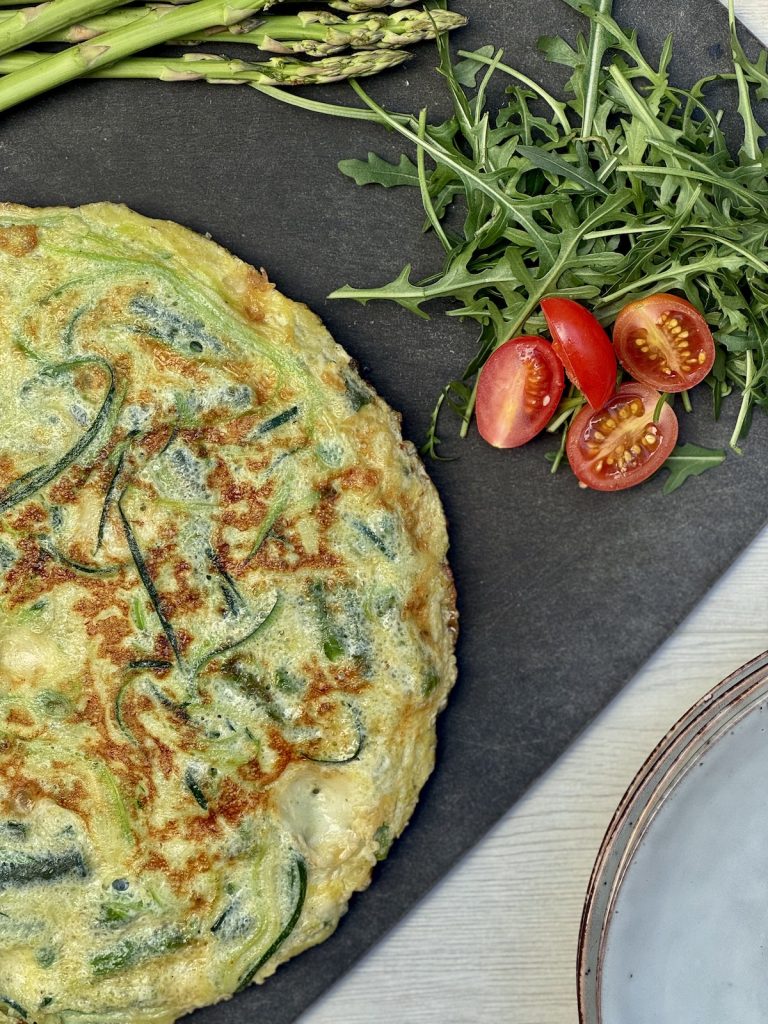
How to Make Vegetable Frittata
The beauty of this dish lies in its simple principle: you cook your vegetables, combine them with whisked eggs, and let them set into a solid, golden pancake. For this version, I’ve chosen a mix of spring-forward greens. We’re using green beans and asparagus, which are a bit sturdier and need a head start, along with zucchini and scallions, which are tender enough to go in raw.
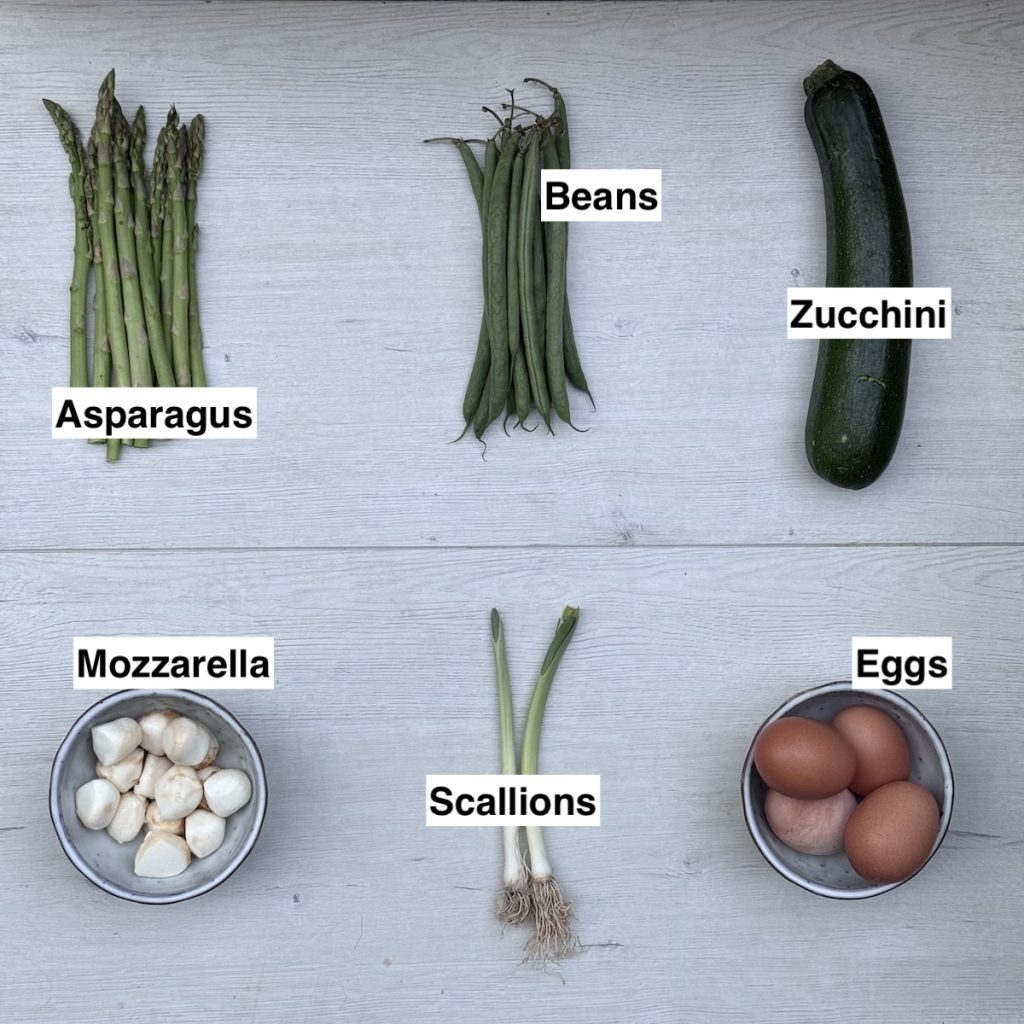
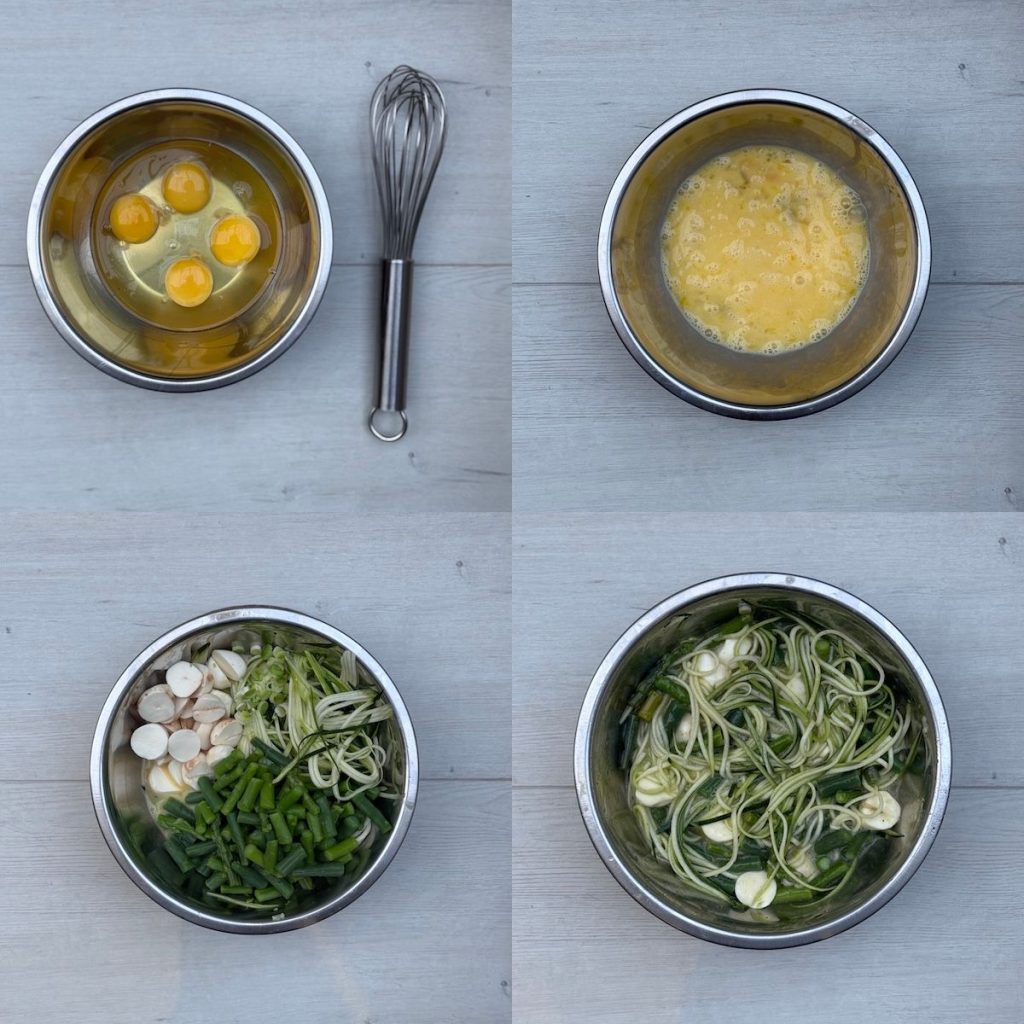
Start by briefly boiling or steaming your beans and asparagus until they are just tender—we want them to keep that bright green snap! Drain them well so they don’t water down your eggs. While they cool, whisk your eggs in a large bowl and season them generously with salt and pepper. Stir in your pre-cooked greens along with the sliced zucchini and scallions. I’m using mozzarella here because I love that mild, melty pull, but honestly, this is the time to follow your heart. Feta, goat cheese, or even a sharp cheddar would all work beautifully in this mix.
Frying a Frittata
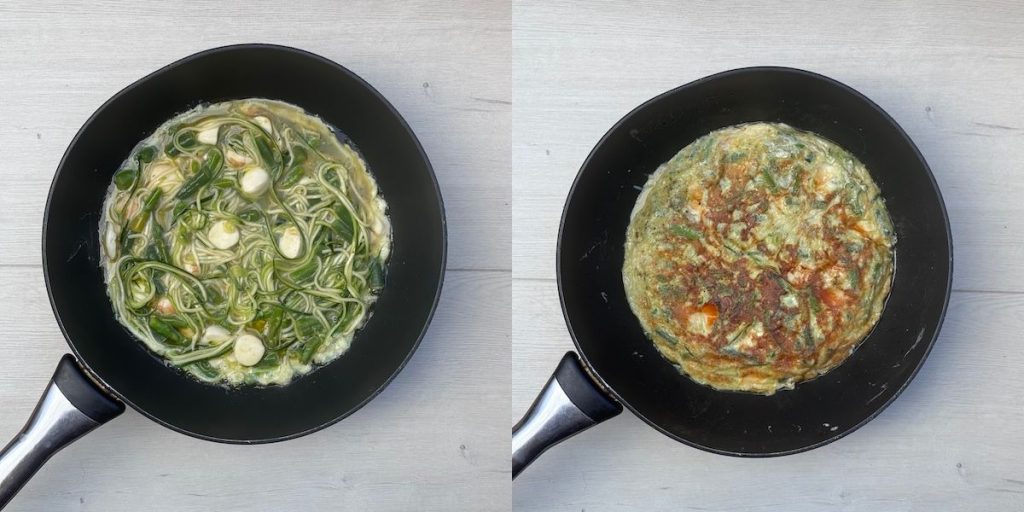
Now, let’s talk about the cooking process. The most common “restaurant way” to finish a frittata is to cook the base on the stovetop until the edges are set and then slide the whole pan under a broiler (or grill) to puff up and brown the top. It’s safe and effective. However, if you’re feeling a bit adventurous, you can flip it in the pan.
Once the bottom is golden and the middle is mostly set, place a large plate over the pan. Invert the whole thing, and slide the frittata back in to finish the other side. It’s essentially a culinary leap of faith, but it results in a gorgeous, even crust on both sides. Just make sure you use a non-stick pan and a little extra oil or butter to ensure it slides out smoothly.
What to Serve with Vegetable Frittata
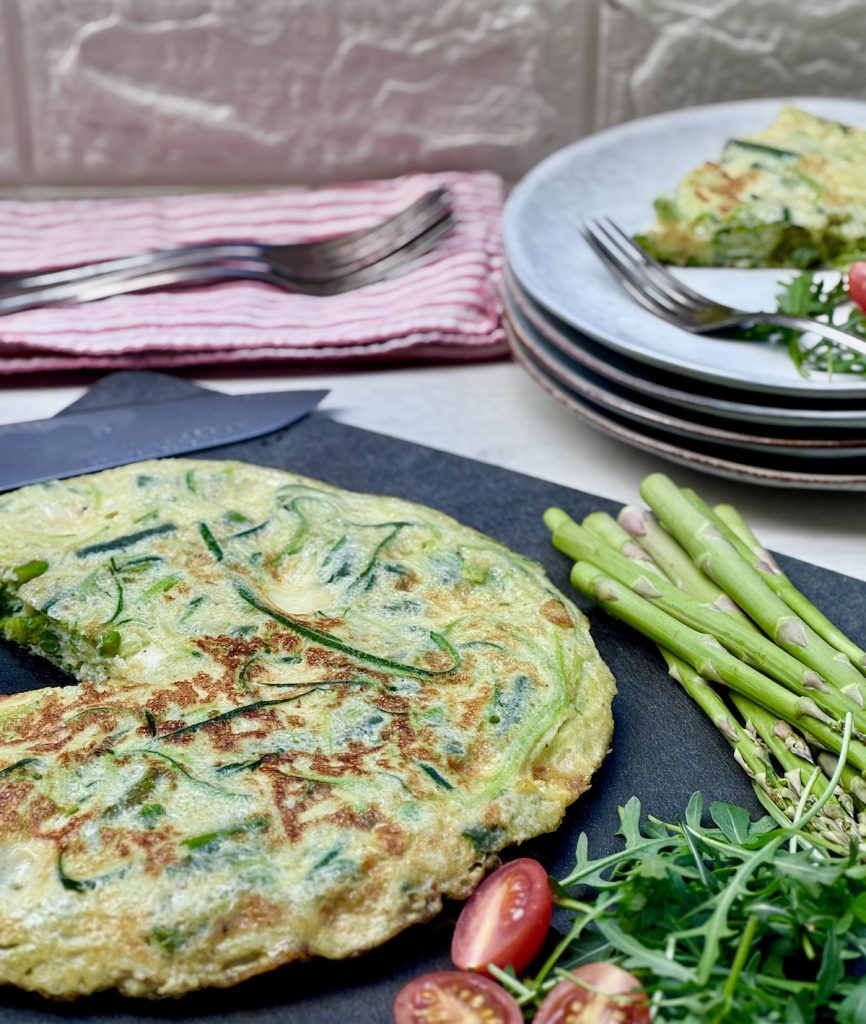
The wonderful thing about a frittata is that it can be light or filling. Your choice! If you’re serving this for a proper breakfast or a lazy brunch, all you really need is a crisp, bright side salad and a thick slice of rustic, buttered bread. The crunch of the toast against the soft, cheesy eggs is a match made in heaven.
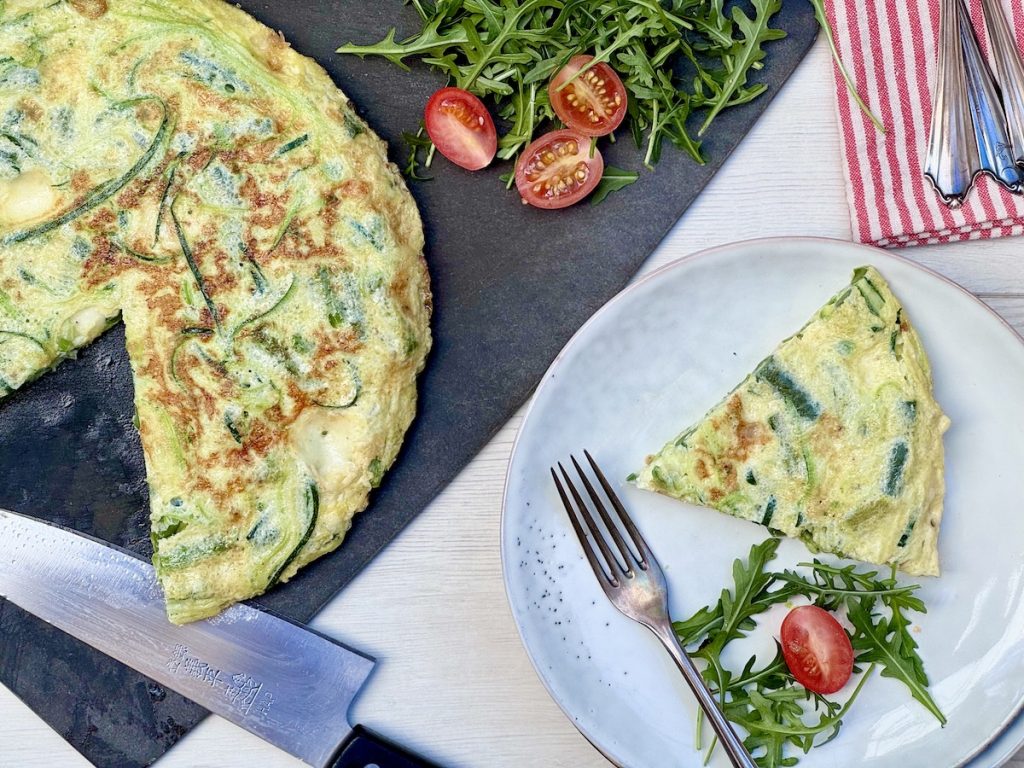
Don’t feel like you have to eat it the second it leaves the pan, either. While it’s delicious hot, it’s actually traditional in Italy to serve it at room temperature. This makes it an incredible option for meal prep. Just slice it up and tuck it into your lunch box for work the next day. It holds its shape perfectly and the flavors often settle and deepen after a few hours. That cold slice can be just as satisfying as the first hot one.
And More…
Looking for more recipes in the omelet family? There are plenty of cousins!
- Tortilla Espagnola
- Veggie Omelet (Okonomiyaki Style)
- Asparagus Ricotta Omelet
- Muffin Tin Omelets
- Sweet Potato Tortilla
Conclusion
Vegetable Frittata is one of those recipes that reminds us that cooking doesn’t have to be complicated. Whether you’re brave enough to try the flip or you stick to the broiler method, you’re going to end up with a healthy, comforting meal. Go ahead, crack those eggs and get creative! Please share your favorite vegetable combinations for frittatas in the comments—I’m always looking for new ideas!
Ingredients
- 3 oz asparagus cut in short lengths
- 3 oz green beans trimmed, cut in short lengths
- 1 zucchini julienned
- 2 scallions chopped
- 1/2 cup mini mozzarella balls halved
- 4 eggs beaten
- olive oil, for frying
- salt and pepper
Instructions
- Bring a pan of water to a boil and cook the beans and asparagus for about 5 minutes, until tender.
- Add the vegetables to the beaten eggs, along with the zucchini, scallions, and mini mozzarella. Season generously with salt and pepper and mix well.
- Heat the olive oil in a 10-inch pan over medium heat. Add the frittata mix and pat down, so the mix covers the base of the pan evenly.
- Cook for about 5-6 minutes, until set around the edges and golden underneath. Carefully flip, and cook for 3-4 minutes on the reverse side.
- Turn out of the pan, slice, and serve hot or cold.


No Comments