
There’s a brief, magical window in late summer when plump, jewel-toned figs show up at the market, looking like something straight out of a Renaissance painting. If you’ve ever stared at a basket of them wondering what on earth to do with them, you’re definitely not alone. What is a fig, anyway? Are they a fruit, a flower, or some ancient culinary mystery? They’re actually one of the oldest cultivated produce in human history, wrapped in myth and packed with a sweet, jammy flavor that makes every bite feel like a luxurious treat. Let’s explore everything you need to know about figs.
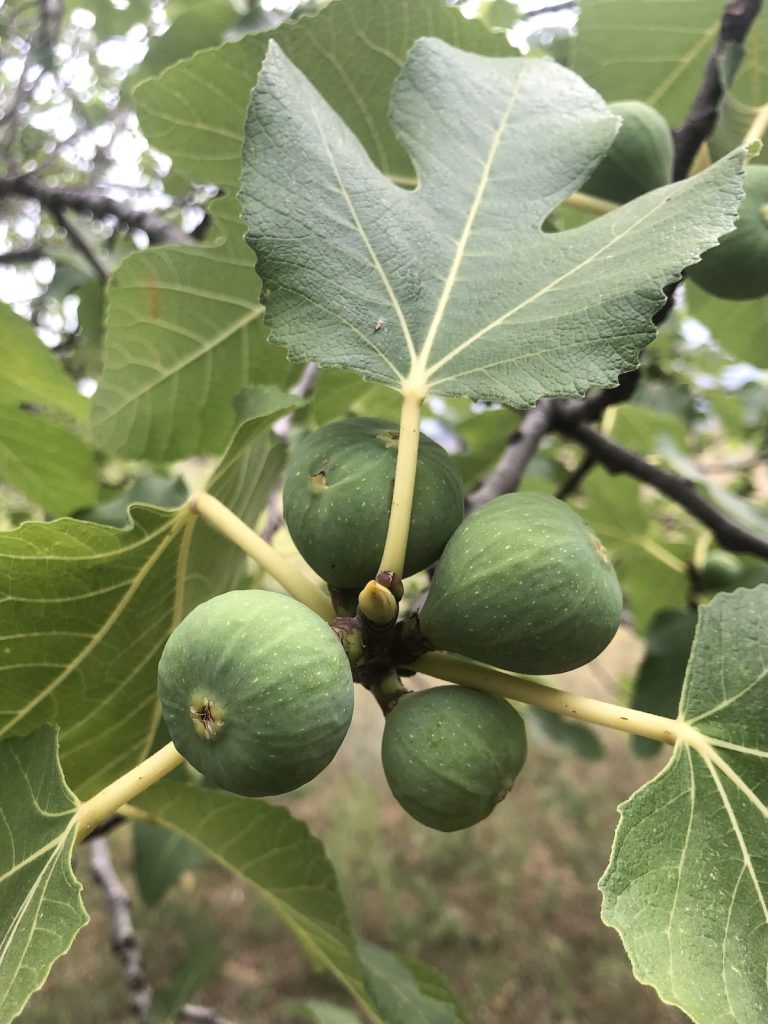
Fruit or Flower
Botanically speaking, figs are actually quite unusual. If you cut one open, you won’t find traditional fruit flesh and seeds—you’ll find hundreds of tiny flowers trapped inside a fleshy stem! Technically, a fig is known as a syconium, which is basically an inverted flower. Those little crunchies you taste when you bite into a fresh fig are actually the tiny dried seeds left behind by those blossoms. Even though science classifies them as a closed-up cluster of flowers, we treat and use them entirely as a sweet fruit in the kitchen, pairing them with everything from honey and cheese to rich pastries and salads.
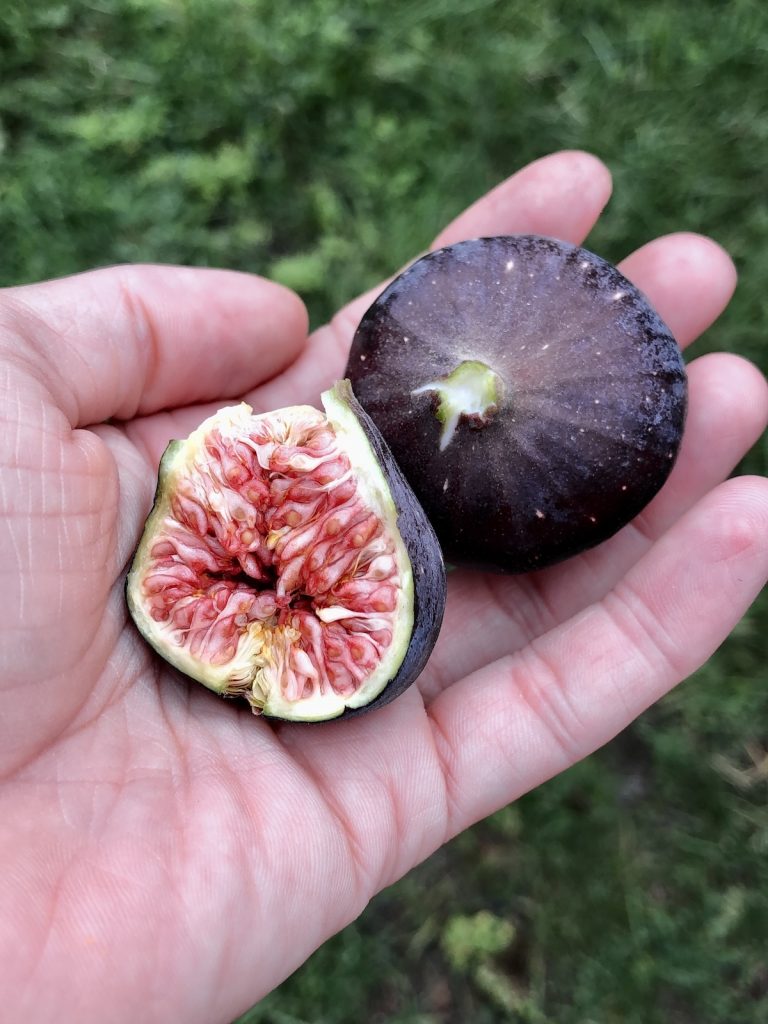
Black or Green?
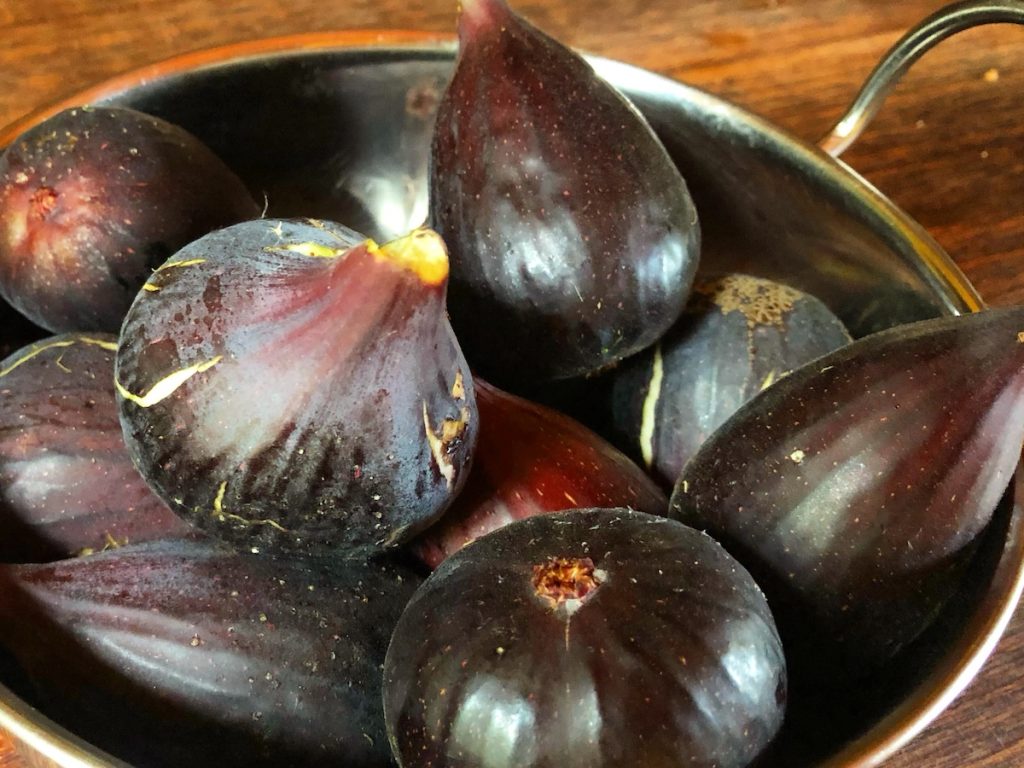
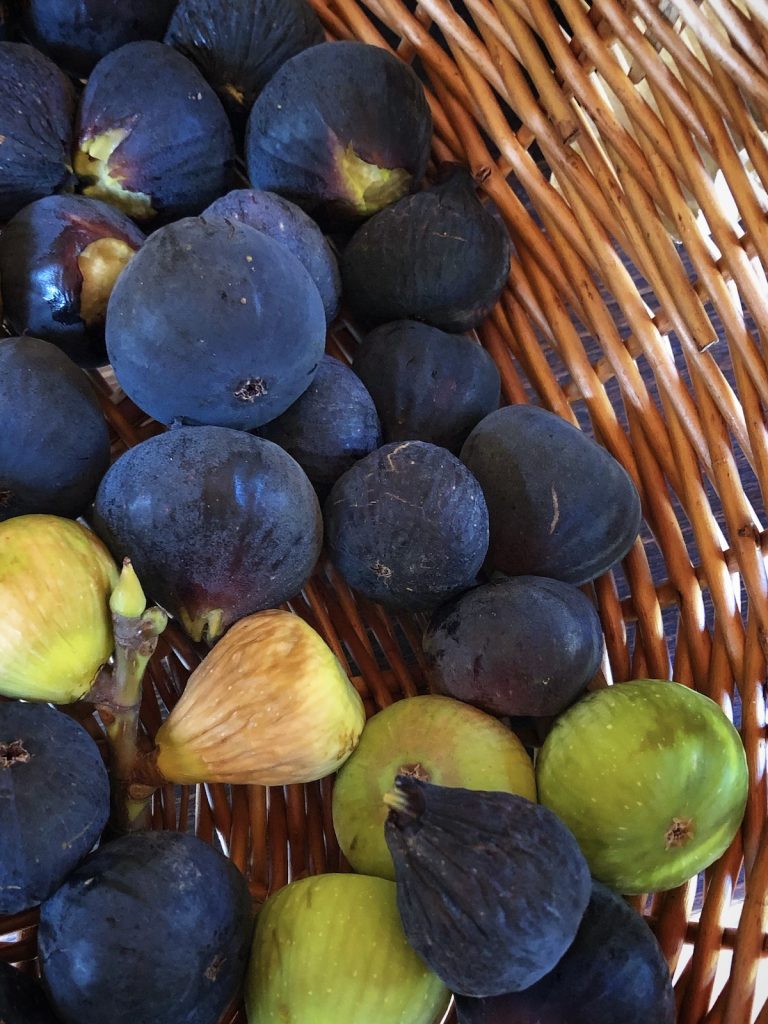
When you’re browsing the produce section, you’ll usually choose between dark purple-black varieties (like Mission figs) and bright green ones (like Kadota or Calimyrna). Black figs tend to have a richer, deeper, almost berry-like flavor with a thick skin, making them amazing for roasting or pairing with sharp cheeses.
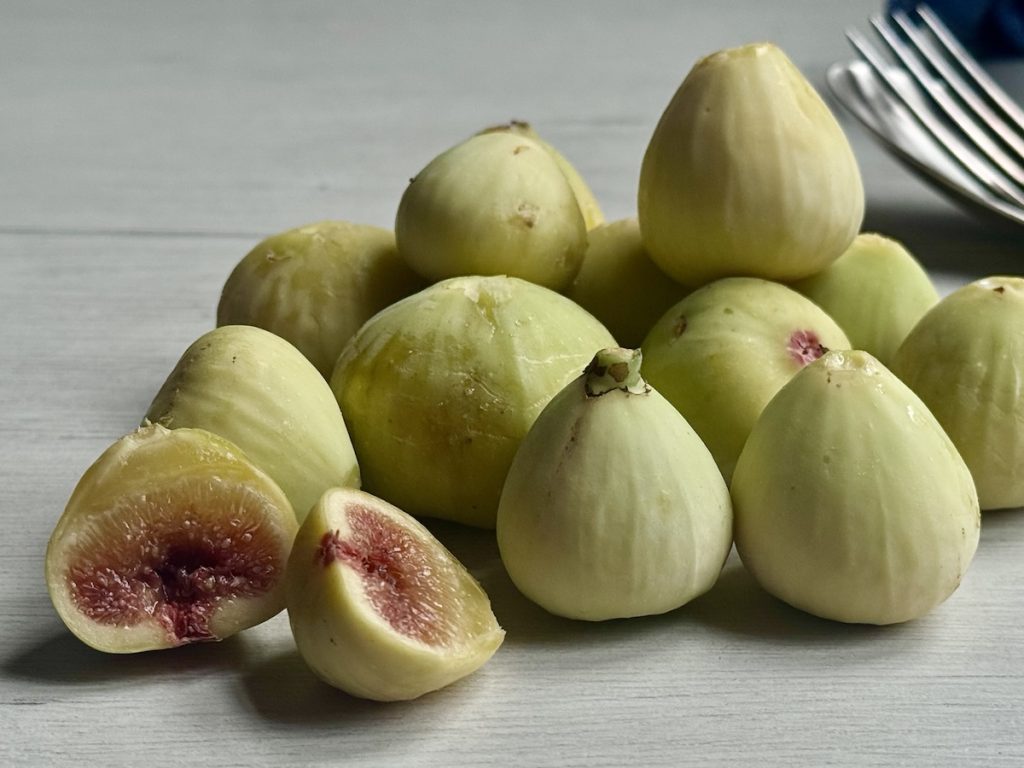
Green figs are usually a bit sweeter, lighter, and more honeyed, with a delicate skin that practically melts in your mouth. There’s also a fascinating quirk of nature behind them: the fig wasp. Many varieties rely on these tiny insects for pollination. Don’t worry—by the time the fig hits your grocery store basket, the wasp has long since dissolved, leaving behind just the sweet fruit. It’s a wonderful symbiosis that has kept fig trees thriving for thousands of years!
Picking Figs
You can easily buy them at most grocery stores during their peak season, but picking them fresh off a backyard tree is an entirely different level of magic. Ripe figs should be slightly soft to the touch and heavy for their size, with a sweet, fragrant aroma. You can eat them raw, straight off the tree. While they are great cooked, raw figs is probably my preferred way to enjoy them.
One quick warning if you ever harvest them straight from a tree: the milky white sap that oozes from the stems and leaves can be a skin irritant for some people, so wear long sleeves and gloves if you’re reaching deep into the branches!
Cooking with Figs
Working with figs in the kitchen is wonderfully low-stress. They are fantastic in all sorts of sweet desserts, whether you’re tossing them into a rustic tart, layering them over a simple pound cake, or roasting them with honey for a cozy weeknight treat. Baking with them is remarkably easy because there is zero peeling required—just wash them gently, trim off the tough stem end, and they are ready to slice, bake, or eat raw. Their natural sugars caramelize beautifully in the oven, creating a rich, jammy texture that feels gourmet with minimal effort.
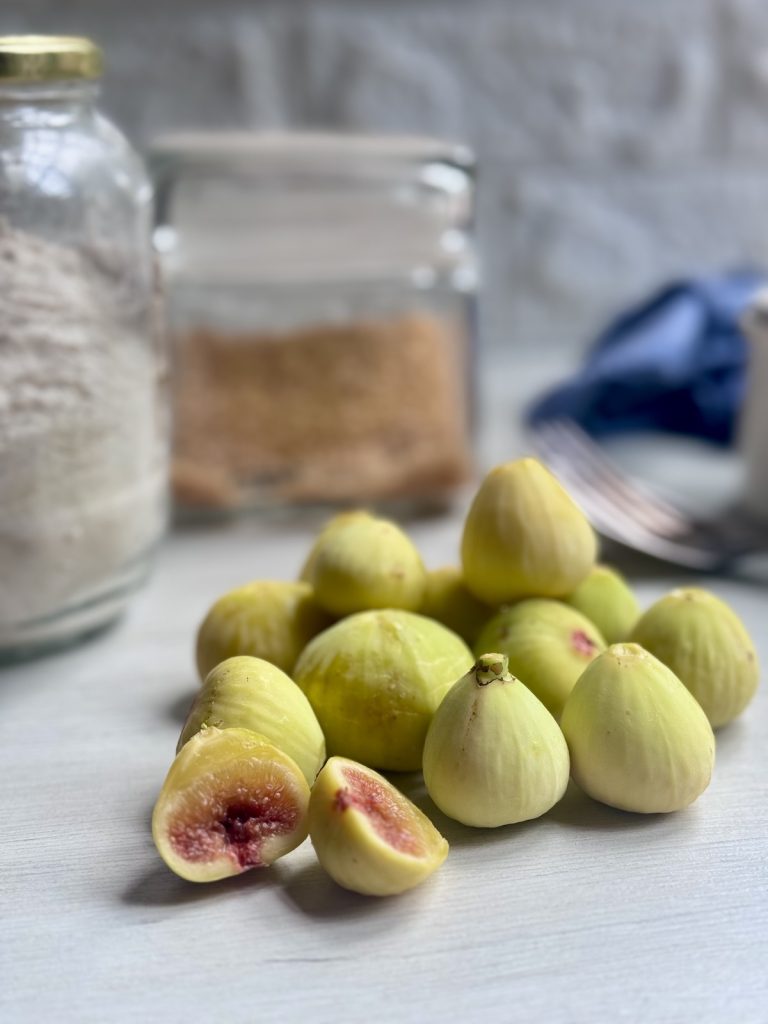
Fig Leaf Syrup
If you have access to a fig tree, don’t overlook the leaves! While you definitely don’t want to eat the leaves raw—they are tough and bitter—they hold an incredible, aromatic coconut-and-vanilla-like flavor. You can steep clean fig leaves in a simple mixture of boiling water and sugar for about twenty minutes to create a gorgeous fig leaf syrup. Drizzle it over ice cream, stir it into cocktails, or brush it onto sponge cakes for a unique, upscale flavor that will blow your guests away.
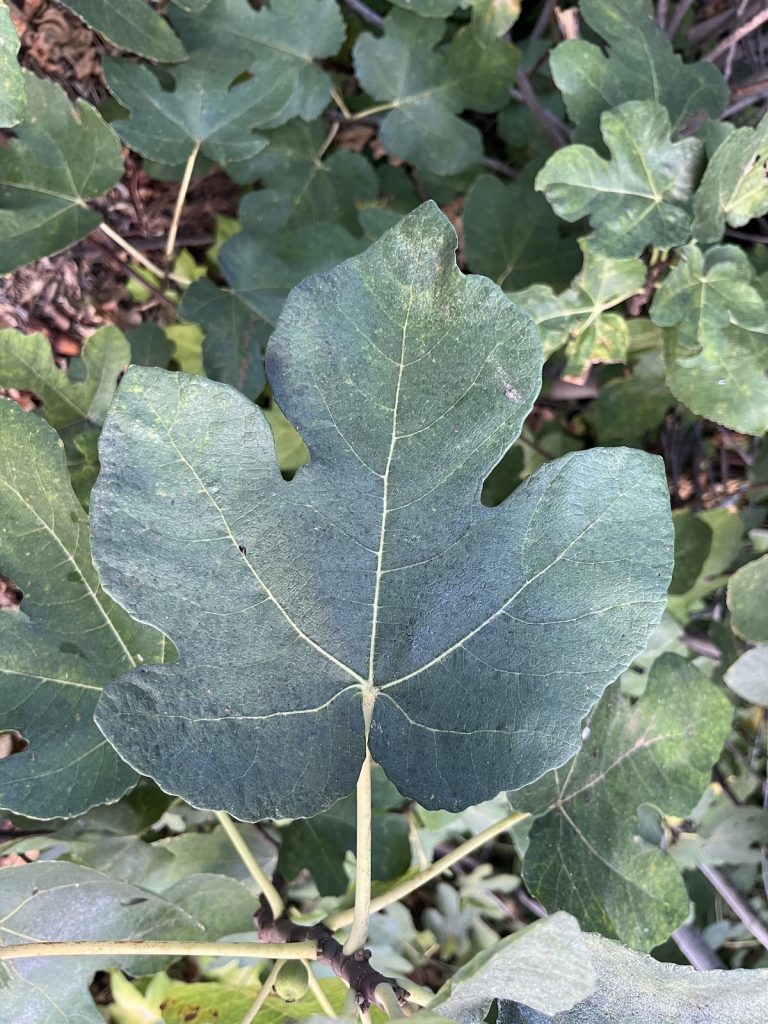
Fig and Goats Cheese Crostini

Toasted baguette slices topped with creamy goat cheese, fresh fig slices, and a drizzle of honey. It’s an effortless, elegant appetizer that balances creamy, tangy, and sweet flavors in every single crisp bite.
Caramelised Apple & Fig Oatmeal

A cozy morning bowl combining tender oats, sweet caramelized apples, and fresh figs. It turns an ordinary breakfast into a warm, comforting hug on a chilly morning, packing tons of natural sweetness and fiber.
Cheese Plate
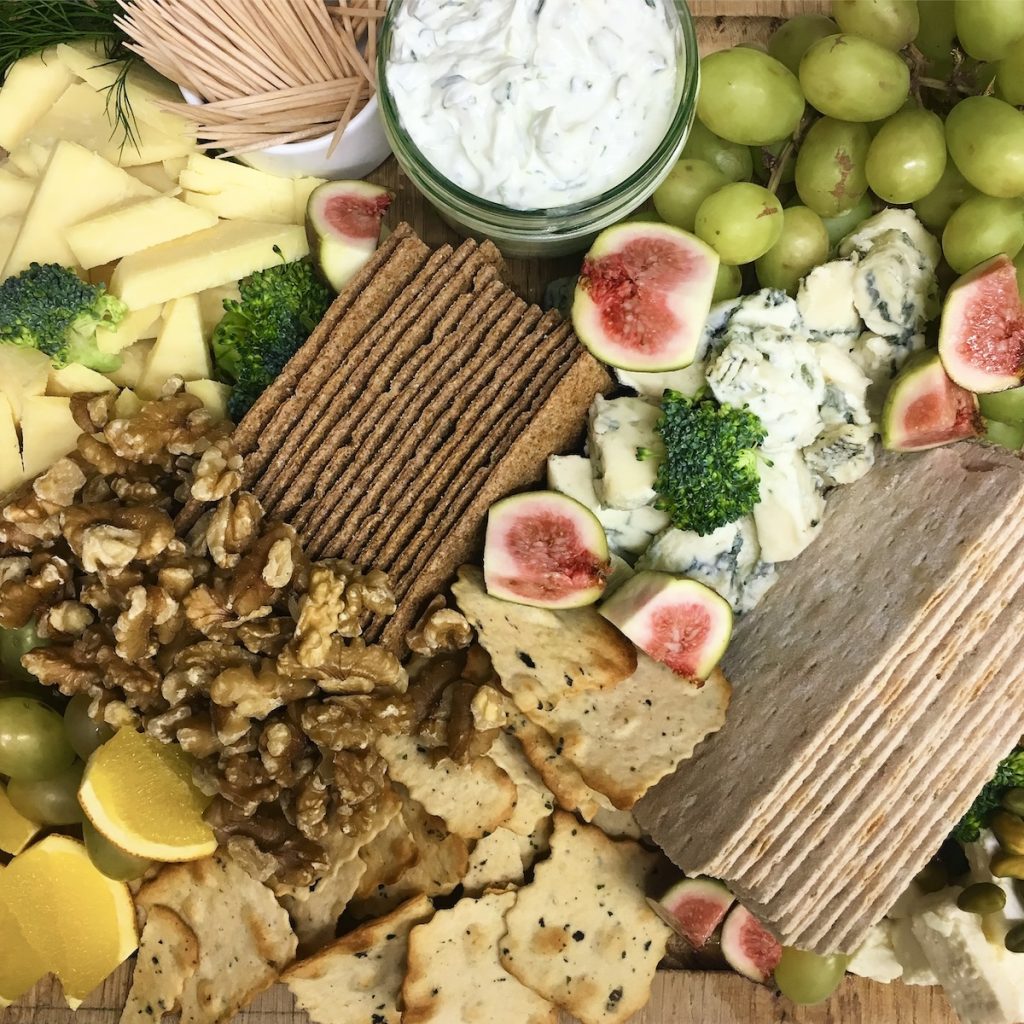
An effortless arrangement of sharp cheeses, crunchy walnuts or almonds, and ripe fresh figs. It’s the ultimate no-cook party board that looks stunning and pairs salty, nutty flavors with luscious fruit.
Waffles

Crisp, golden homemade waffles topped with luscious fresh figs and a dollop of cool, tangy crème fraîche. It’s a decadent weekend brunch treat that bridges the gap between sweet and sophisticated.
Fig Mozzarella Salad
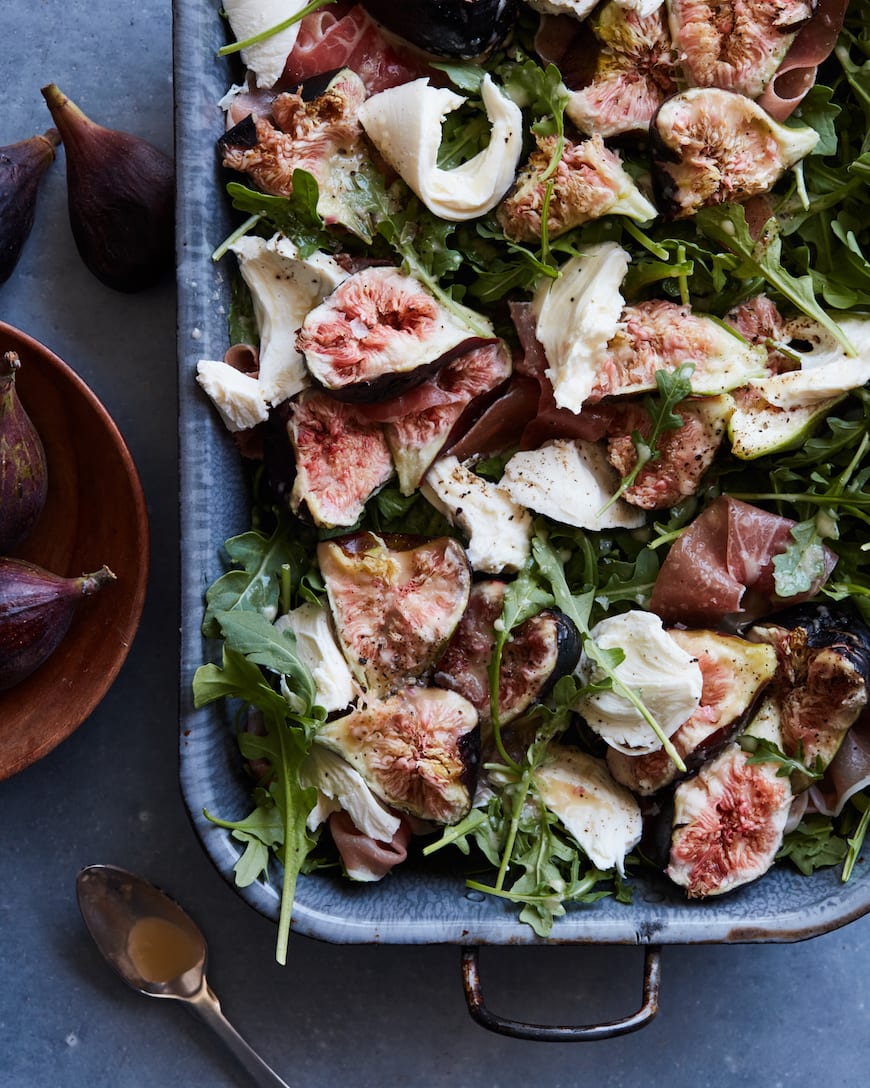
Fresh figs meet creamy mozzarella cheese, crisp greens, and a bright dressing. It’s a gorgeous, vibrant salad that celebrates late-summer produce in style.
Recipe by: What’s Gaby Cooking
Figs – the Fruit You Never Knew You Needed
Don’t let unfamiliar or delicate fruits intimidate you at the market. Figs are versatile, deeply delicious, and surprisingly easy to work with in both sweet and savory dishes. Grab a basket next time you see them, give them a try, and discover your new favorite seasonal obsession!


No Comments