
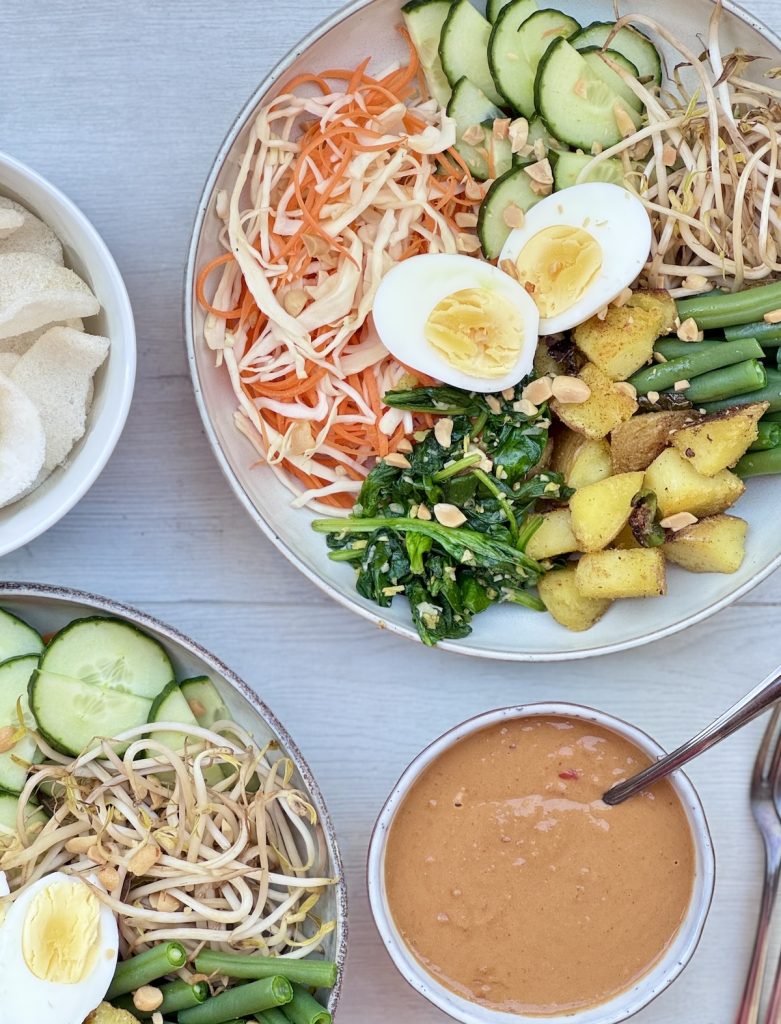
Whenever I crave a meal that feels both substantial and incredibly vibrant, I turn to Gado Gado. As a true classic of Indonesia, this dish transcends the typical idea of a “light” salad. It is a hearty, texturally diverse bowl that brings together a medley of steamed vegetables, proteins, and a dressing so good it practically demands to be licked off the spoon. I love how it manages to be both nourishing and indulgent at the same time. Whether you are looking for a healthy weeknight dinner or a crowd-pleasing lunch, this Indonesian staple never disappoints.
What is Gado Gado?
The name “Gado Gado” essentially translates to “mix-mix,” a perfect description for a dish that is defined by its variety. Originating in Java, it has become a cornerstone of the Indonesian culinary canon, cherished for its humble roots and democratic nature. Unlike many Western salads that rely on a base of raw leafy greens, this dish is grounded in the tradition of steamed or blanched vegetables combined with rich, savory elements.
When you compare it to other traditional salads around the world—like a classic French Salade Niçoise or a Greek Horiatiki—this dish stands out for its unique blend of textures and the warm, nutty complexity of its dressing. It isn’t just a side dish; it’s a complete, well-rounded meal. It reflects the Indonesian philosophy of balancing textures and flavors, proving that a “salad” can be far more than just lettuce and vinaigrette.
The Components of Gado Gado
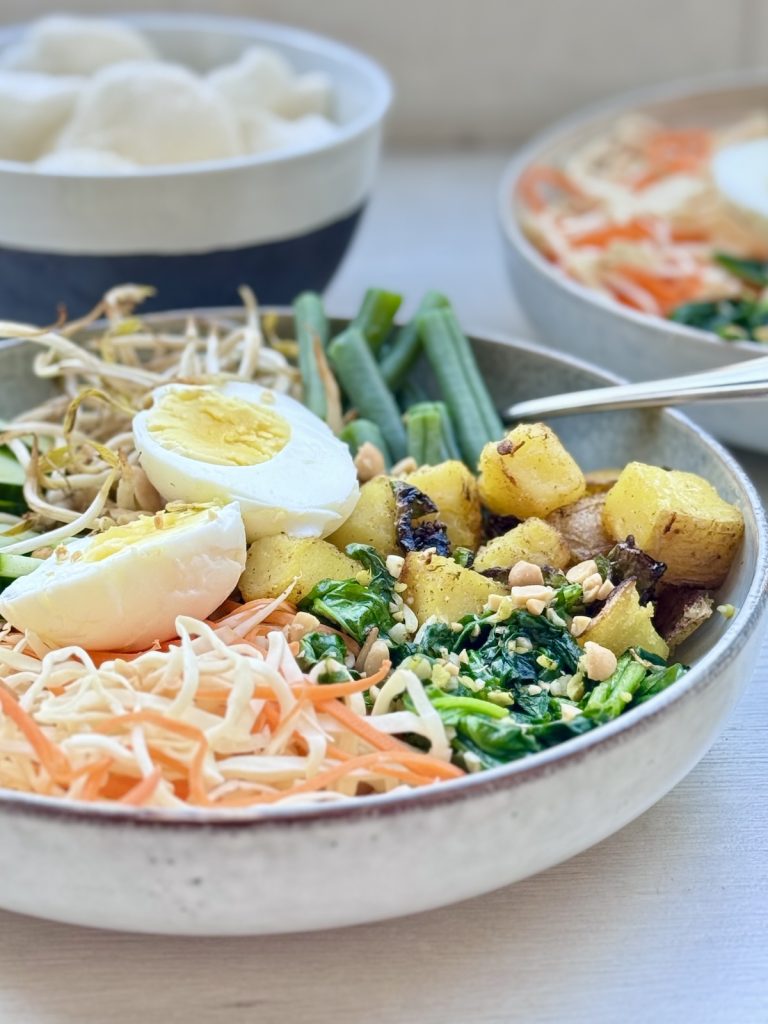
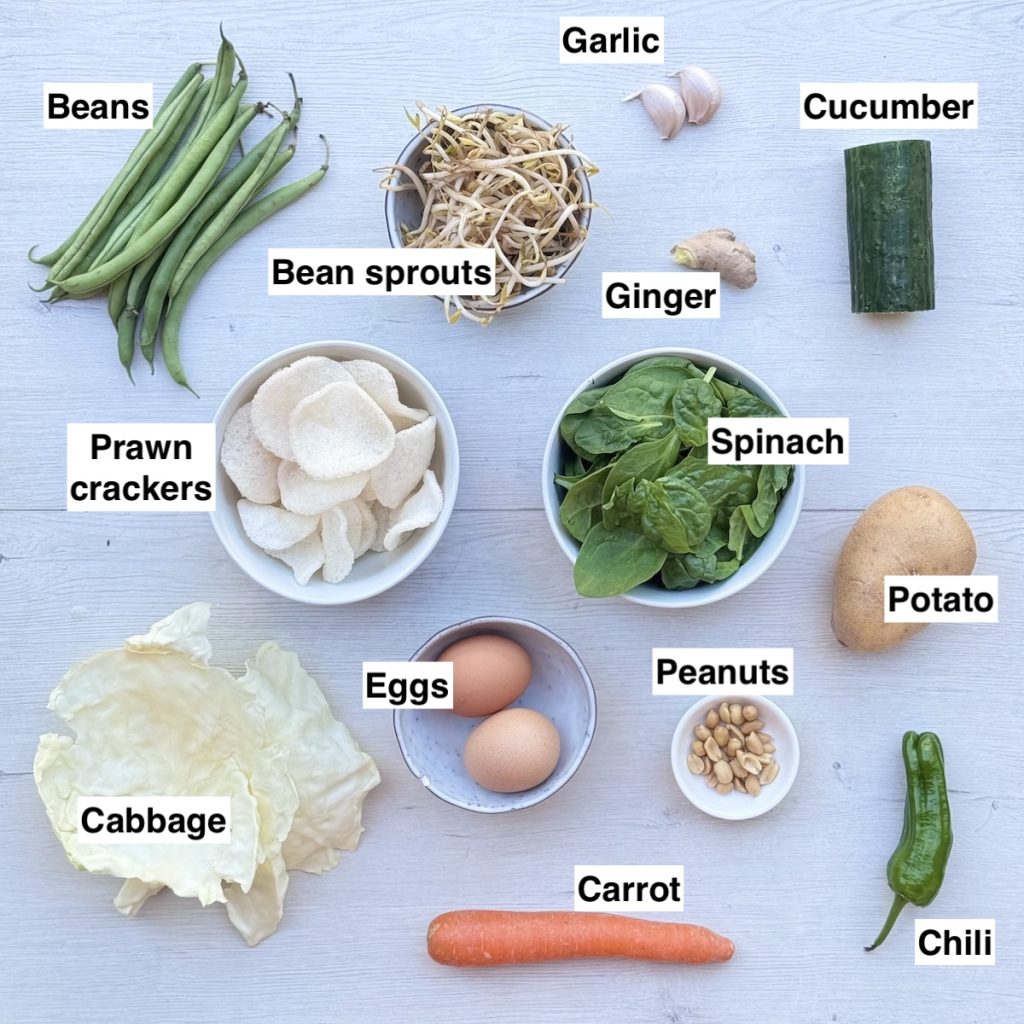
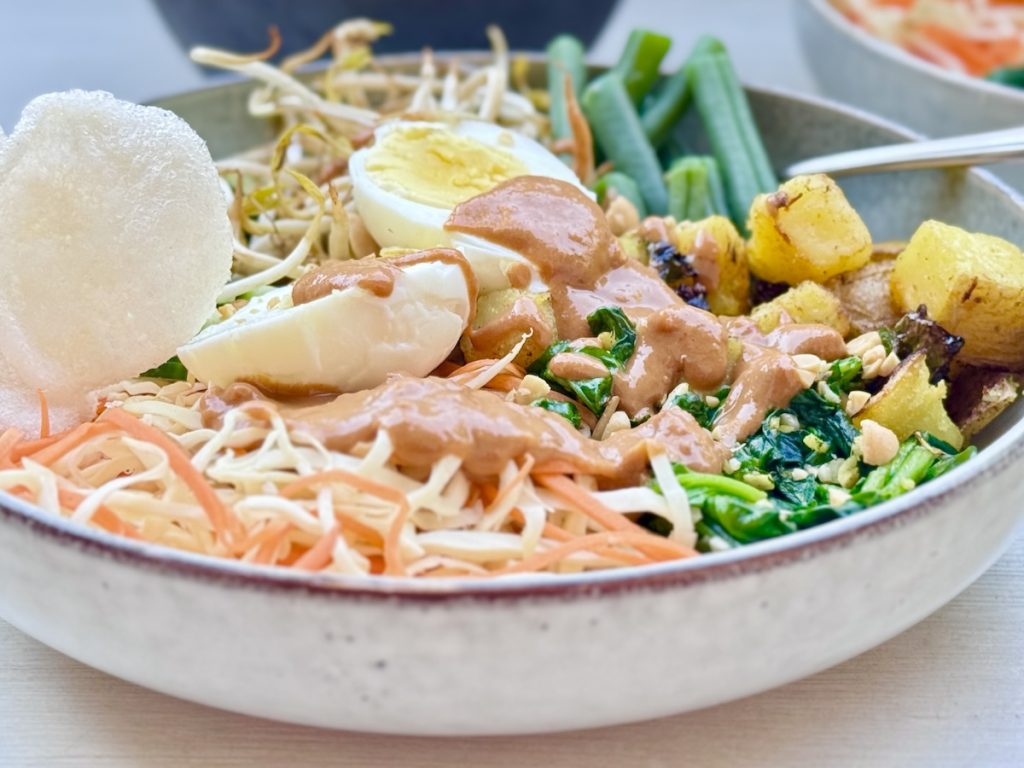
One of the best things about this dish is its inherent flexibility. While I’ve used hard-boiled eggs here for a wonderful, creamy protein boost, you can just as easily top your bowl with grilled chicken, pan-fried tempeh, or firm tofu. The vegetables themselves are equally adaptable; you can really just use whatever is currently sitting in your crisper drawer. That said, bean sprouts are very typical and highly recommended if you can find them, as they provide that essential, crisp freshness that cuts through the richness of the sauce.
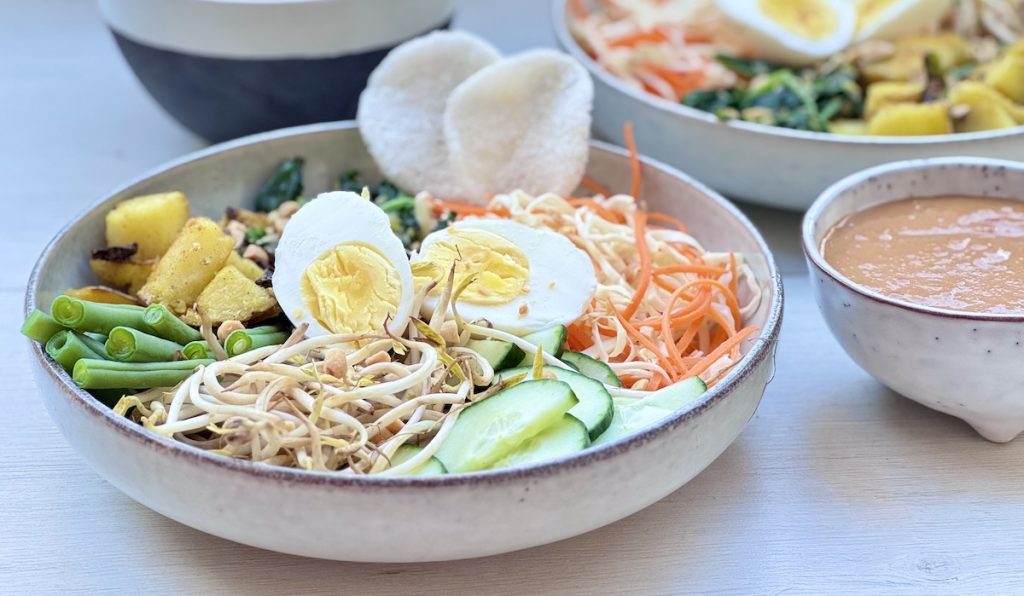
Speaking of the sauce—this is the true magic of the dish. It is a luxurious peanut-coconut dressing that has an almost supernatural ability to make absolutely anything taste spectacular. Even if you aren’t a fan of certain vegetables, dousing them in this sauce seems to bridge the gap perfectly. Traditionally, the dish is also served with a handful of crispy prawn crackers (krupuk) on top. These add a fantastic, airy crunch that rounds out the chewiness of the vegetables and the silkiness of the sauce. If you are vegetarian or just prefer to skip them, you can easily leave the crackers off, and the dish will still be a complete, flavorful success.
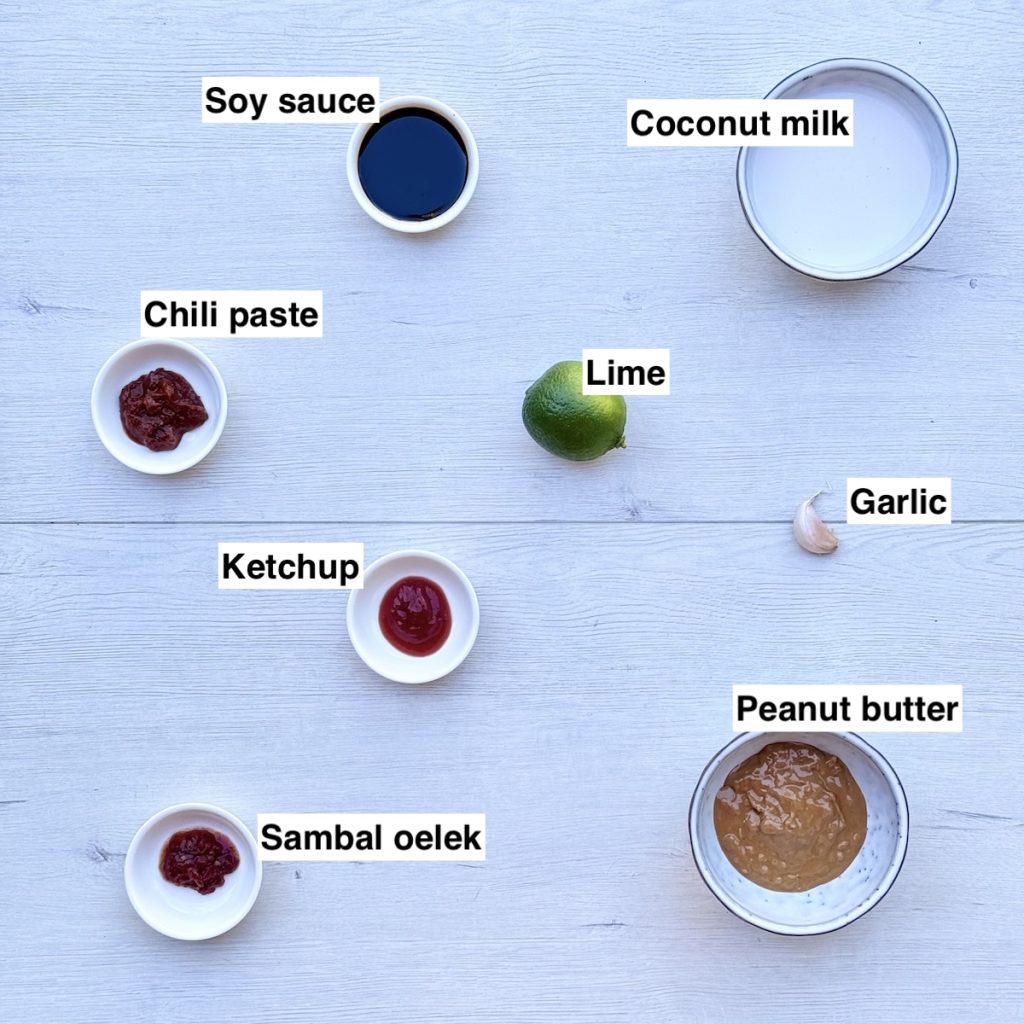
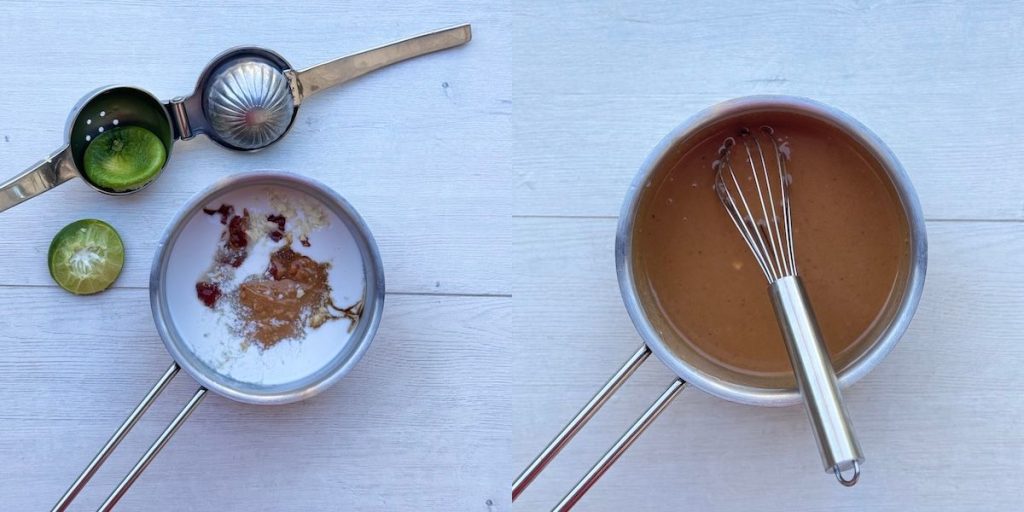
Making the sauce is the easiest part. You don’t need any complex blending or fancy equipment. Simply toss your peanut butter, coconut milk, a splash of soy sauce, a squeeze of lime, and your choice of chili heat into a small saucepan. Heat everything gently for about five minutes until it is smooth, fragrant, and emulsified. You can serve this sauce either hot or cold depending on your preference—I personally love a warm sauce over room-temperature vegetables, but there is no “right” way to do it. You can also adjust the spice level to suit your own palate by adding more or less chili, making it a very personalized experience every time you step into the kitchen.
How to Make Gado Gado
The beauty of this meal is that you are in total control. For my current batch, I am using a mix of steamed spinach, boiled potatoes, beans, fresh bean sprouts, cucumbers, julienned carrots, and shredded white cabbage. If you want to change things up sweet potato, bell peppers, or chayote are all equally authentic and delicious alternatives. The goal is to have a variety of colors and textures that can hold up to the hearty dressing.
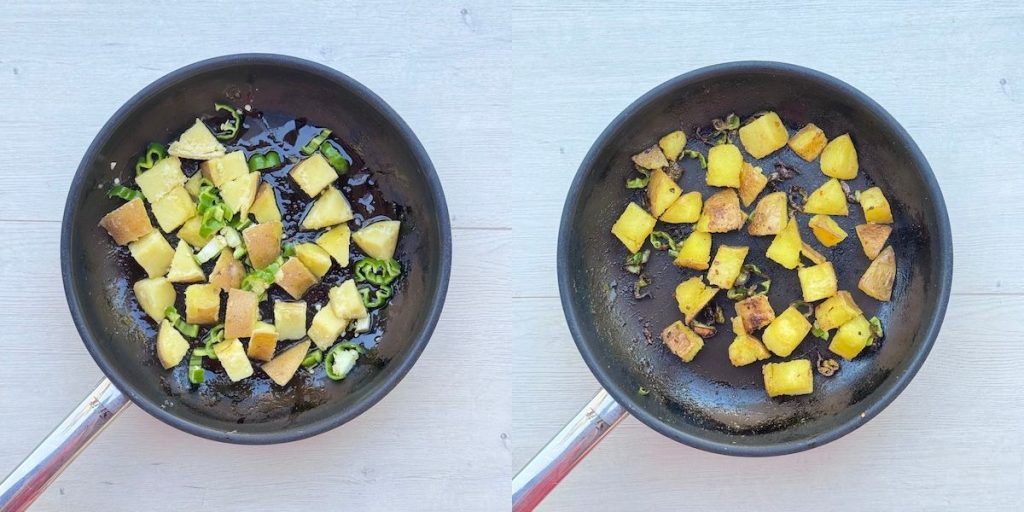
I like to fry the cooked potatoes with the chili a little, just so they get a bit of crunch and pick up more flavor.
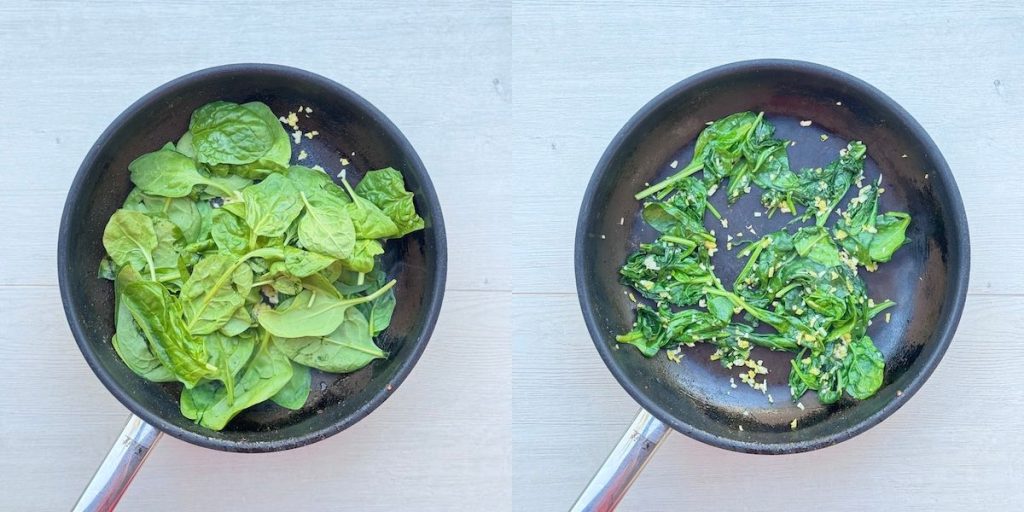
Then using the same pan for the spinach, garlic, and ginger – again, just to wilt it down and add a variety of flavors and textures to the dish.
Storing Gado Gado
If you want to get ahead on meal prep, you can certainly cook all the separate components—the vegetables, the protein, and the sauce—and store them in the refrigerator overnight. Just be sure to keep everything in separate containers. Combine them only at the very last moment to ensure the vegetables don’t get soggy. One important tip: this dish has much more flavor when eaten at room temperature. I don’t recommend eating it straight from the fridge. The cold temperature can mute the nuanced flavors of the peanut dressing.
And More…
Want to explore more East Asian recipes? Try one of these:
Conclusion
Stepping into the world of Indonesian cooking is an invitation to play with flavors. There is no need for perfection here—just gather your favorite produce, whisk that creamy sauce, and trust your instincts. The process of building this bowl is as satisfying as the first bite, and I have a feeling it will quickly earn a permanent spot in your regular rotation. Go ahead and make it your own this week!
Gado Gado
Ingredients
For the sauce
- 4 tbsp peanut butter
- 1/2 cup coconut milk
- 2 tsp mild red curry paste
- 1 tsp sambal oelek more or less to taste
- 1 lime juice
- 1 clove garlic peeled and minced
- 3 tsp soy sauce
- 1 tsp ketchup
For the salad
- 2 eggs
- 1 potato cut in chunks
- 1/2 cup green beans trimmed
- 2 cups spinach
- 1 tbsp ginger peeled and minced
- 1 clove garlic peeled and minced
- 1 green chili chopped
- 1 tbsp oil
- 1 cup bean sprouts
- 1/2 cucumber thickly sliced
- 2 cabbage leaves shredded
- 1 carrot shredded
- 1 tbsp peanuts chopped
- 1 handful prawn crackers
Instructions
For the sauce
- Mix all the ingredients in a small saucepan. Bring to a boil then turn the heat down. Cook for about 5 minutes until thickened, stirring occasionally to stop it catching.
- Bring a pan of water to a boil and cook the eggs and potatoes for about 10 minutes. Peel and halve the eggs.
- Heat the oil in a pan over medium-high heat. Add the potatoes and chili and cook for about 5 minutes until golden and crisp. Turn out of the pan.
- Add the spinach and ginger and cook for 1-2 minutes until wilted.
- Arrange the spinach, bean sprouts, cabbage and carrot on the plates. Top with the crispy potatoes and hard-boiled eggs. Scatter with peanuts and serve with the sauce and prawn crackers on the side.


No Comments