
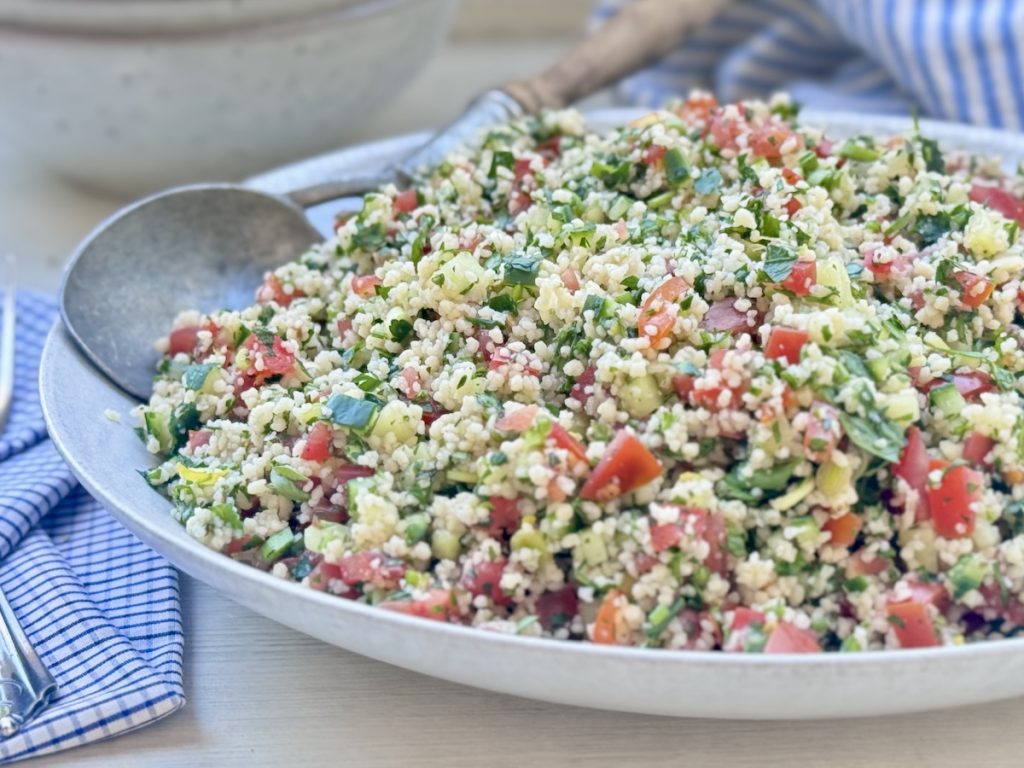
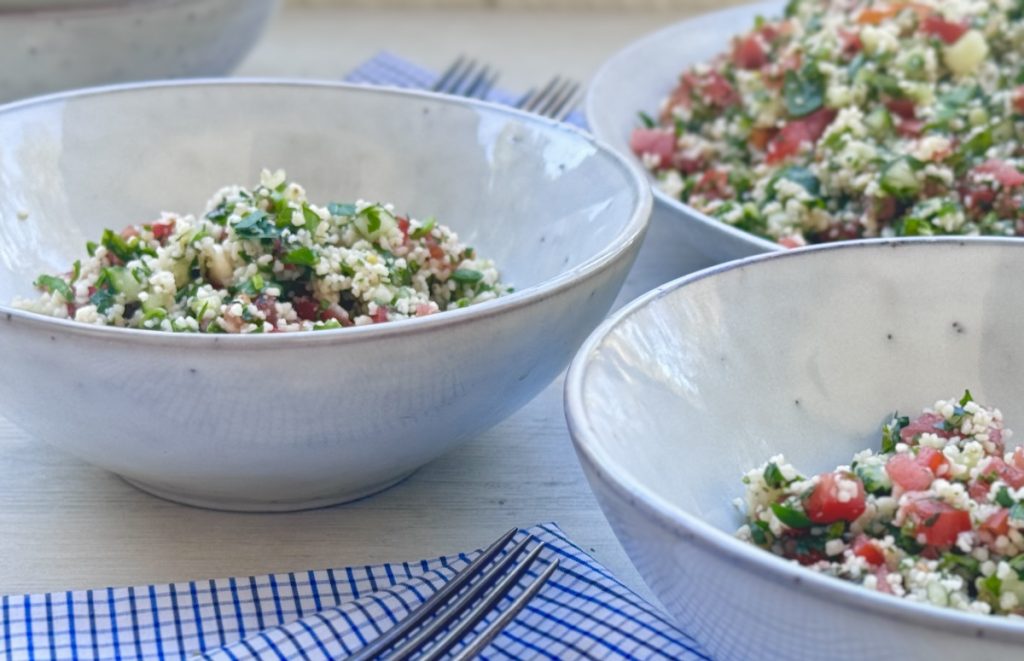
I always find myself reaching for grain salads when the weather is hot, and a refreshing Bulgur Salad is one of my favorite dishes to keep in the kitchen. It is light, incredibly vibrant, and packed with fresh herbs that bring a wonderful brightness to a meal. Each bite feels satisfying without being heavy. If you are looking for a simple, flavor-packed side dish or a quick weekday lunch, this salad is a lovely option to add to your routine.
What is Bulgur Salad?
Often called cracked wheat, bulgur is made from whole wheat kernels that have been parboiled, dried, and cracked. It has a rich history in Middle Eastern cuisine, stretching back thousands of years as a foundational staple. Other regional salads might rely on tiny semolina couscous grains or hearty pearl barley, both of which certainly have their place. But bulgur offers a distinct, pleasantly chewy texture and a subtle nuttiness, and it’s probably my favorite.
In the Middle Eastern culinary tradition, grains are frequently paired with fresh produce to create light, cooling dishes. Tabbouleh is easily the most famous type of Bulgur Salad, widely loved across the Levant. It showcases how a humble grain can pair beautifully with fresh greens and citrus, creating a beautiful balance that highlights simple, fresh ingredients.
How to Make Bulgur Salad
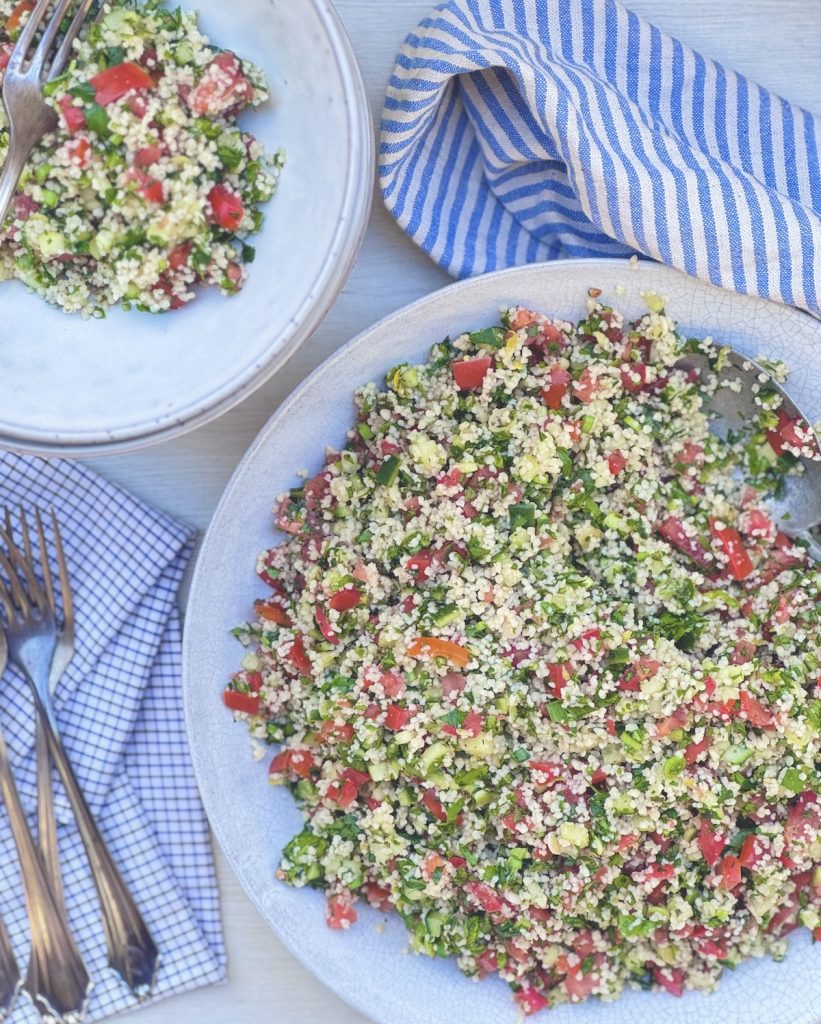
When I first started making a traditional Middle Eastern style Bulgur Salad, I quickly realized it is not so much a heavy grain salad as it is a vibrant parsley salad. The recipe uses a surprisingly large amount of fresh parsley, which might look like a mistake on paper, but I promise it is intentional. To get those beautiful, giant bunches of parsley without spending a fortune, I like to visit a local Middle Eastern grocer. They usually sell massive bundles for a fraction of the price of regular supermarkets.
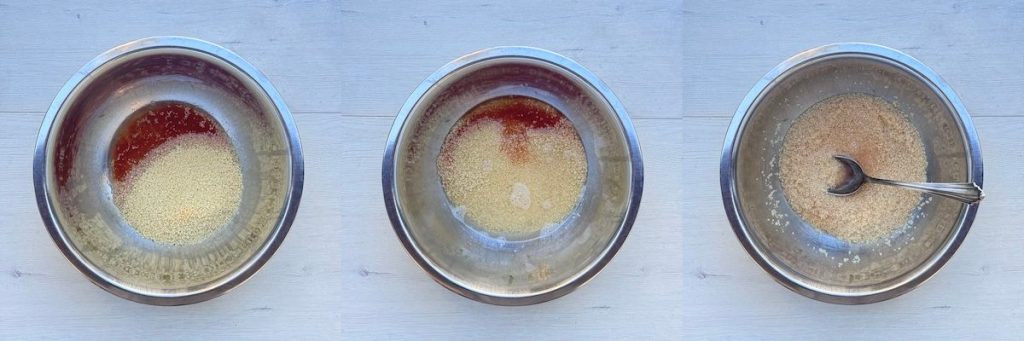
My favorite trick for getting the texture just right involves a bit of kitchen physics. I start by chopping the tomatoes and cucumbers, then I toss them with a generous pinch of salt. Salting the chopped vegetables encourages them to release their natural juices. Instead of draining those flavorful liquids away, I use them, along with a little extra warm water, to soak the raw bulgur grains.
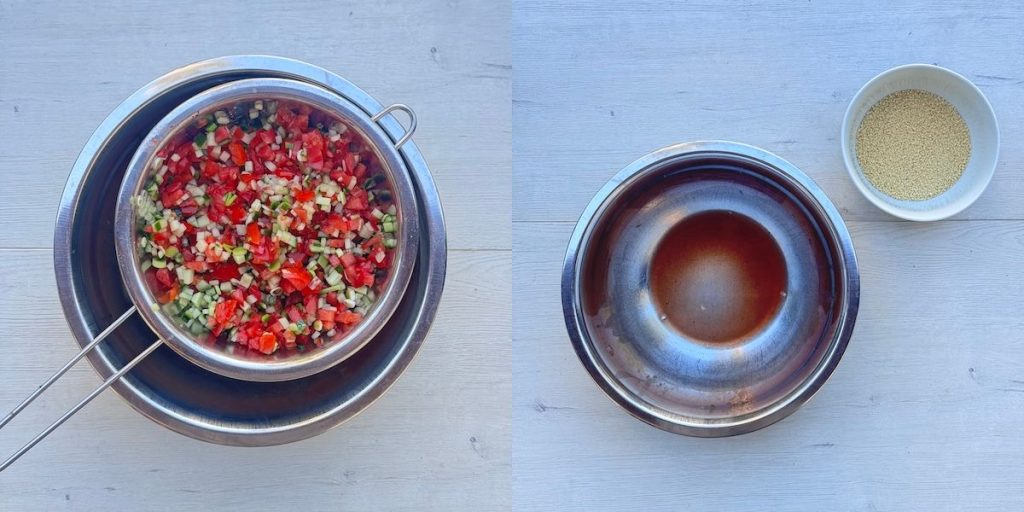
I find this method works wonderfully because the bulgur plumps up by absorbing the direct flavor of the tomatoes, rather than just plain water. It also helps me control the overall amount of liquid in the bowl. If you simply toss soaked grains with the freshly chopped vegetables, the salad can become soggy and waterlogged over time as the vegetables release more liquid. By letting the bulgur absorb the vegetable juices first, the grains stay nicely defined and tender, resulting in a beautifully balanced, crisp salad.
Chopping Herbs
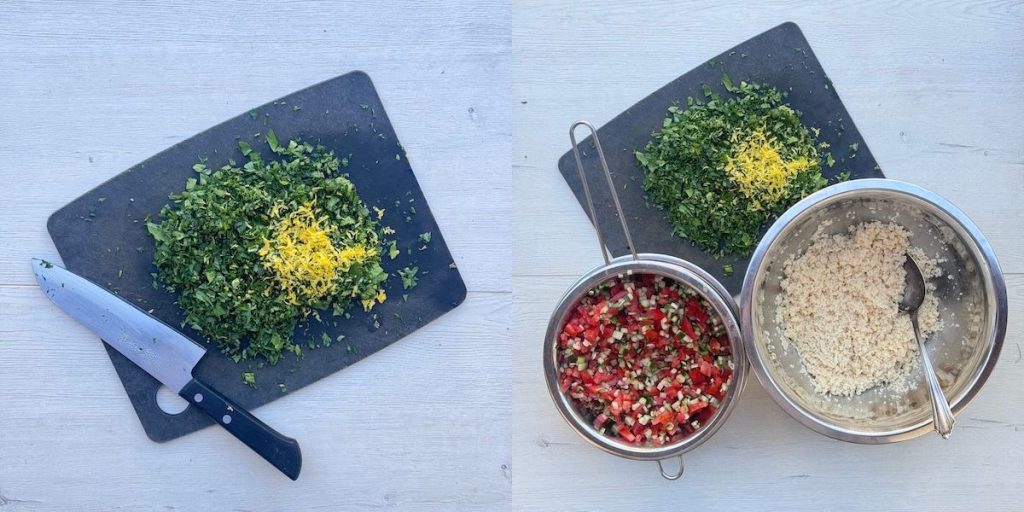
Since this recipe calls for a mountain of herbs, I find it helps to get your knife technique right so your arms don’t tire out. I prefer using a classic chef’s knife, keeping the tip down on the cutting board and using a smooth, rocking chopping motion to glide through the leaves cleanly without bruising them. Another option is a mezzaluna, which translates to “half-moon” in Italian. This is a curved, two-handed blade that you rock back and forth across a chopping board. It makes quick work of large piles of parsley and mint, keeping your herbs beautifully fresh and green.
Storing Bulgur Salad
This is a fantastic make-ahead option if you like to prep your meals. I often mix the soaked bulgur and the salted vegetables together a day or even two days before I plan to serve it, as the flavors just get better over time. However, I recommend holding off on the fresh herbs until the last minute. Tossing the salad and letting it sit in the fridge for an hour or two before serving is completely fine to let things meld, but any longer than that and those delicate green leaves can start to get a bit wilted and lose their bright crunch.
What to Serve With Bulgur Salad
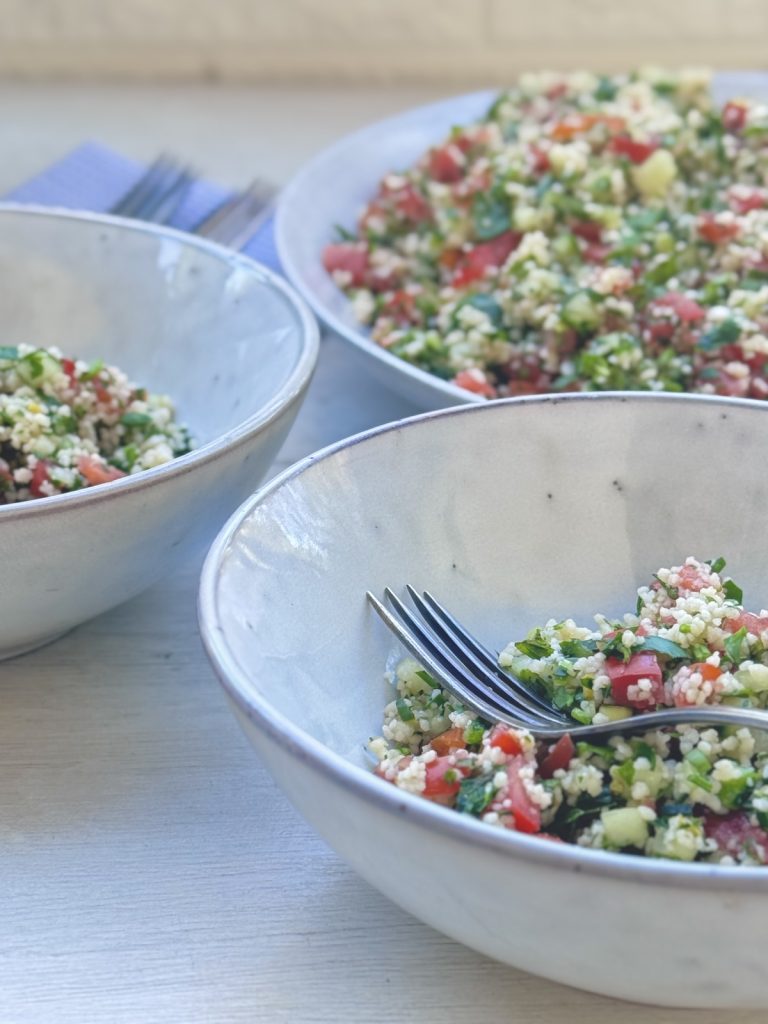
I find this salad is wonderful for a light, refreshing lunch just as it is, but it really shines when I feature it as part of a traditional mezze platter. The bright, lemony profile acts as a nice contrast to richer, savory dishes. I love serving it alongside creamy hummus, smoky baba ganoush, warm falafel, and plenty of soft, grilled pita bread. It also pairs beautifully with grilled meats like chicken tawook or lamb skewers, where the zesty herbs cut through the richness of the char.
Beyond a classic Middle Eastern spread, it is also a fantastic salad to bring along to a summer potluck or a neighborhood barbecue. Because it doesn’t contain any mayonnaise or dairy, it holds up well on a sunny picnic table without any worries. It always seems to be a popular choice next to standard grilled burgers and hot dogs, offering a fresh alternative that my friends always appreciate.
And More…
Looking for more Middle Eastern dishes? Serve these as part of your mezze spread:
Conclusion
I hope you enjoy mixing up this fresh Bulgur Salad in your own kitchen! It is such a joyful, simple dish to put together, and the bright flavors are incredibly rewarding. Grab some fresh parsley and give it a try next time you want a taste of summer.
Bulgur Salad
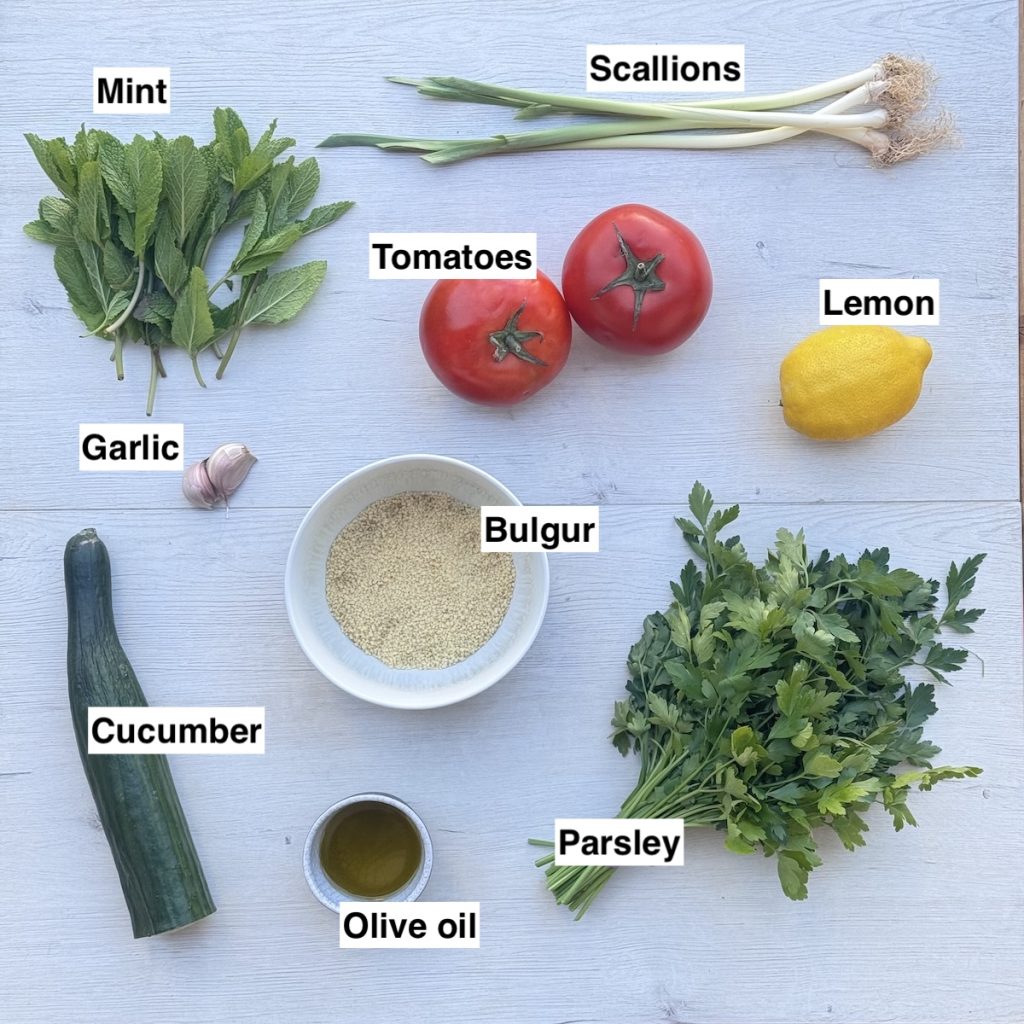
Ingredients
- 2 large tomatoes diced
- 1/2 cucumber diced
- 4 scallions minced
- 1 cup bulgur wheat
- 1 lemon zest and juice
- 2 cloves garlic peeled and minced
- 4 tbsp extra virgin olive oil
- 1 large bunch parsley leaves only, minced
- 1 small bunch mint leaves only, minced
- salt and pepper
Instructions
- Add the tomatoes, cucumbers, and scallions to a colander set over a large bowl. Salt generously and leave for about 10 minutes.
- Pour the expelled juices and about 1 cup of boiling water over the bulgur. Leave to absorb until tender – at least 10 minutes, could take up to half an hour.
- In the meantime, finely chop the herbs and mix with the lemon zest and garlic.
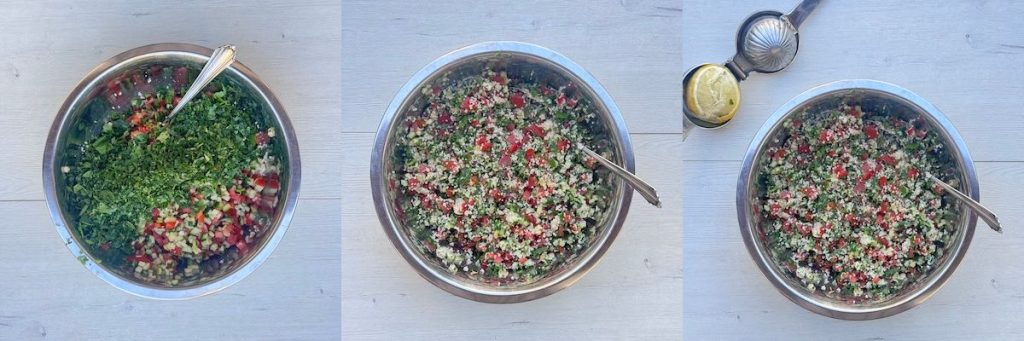
- Toss the tender bulgur wheat with the vegetables and herb mixture. Add the olive oil, plus lemon juice, salt and pepper to taste. Serve immediately or refrigerate for up to two days (though it is better when fresh). If making in advance, don't stir in the herbs until the last moment.



No Comments